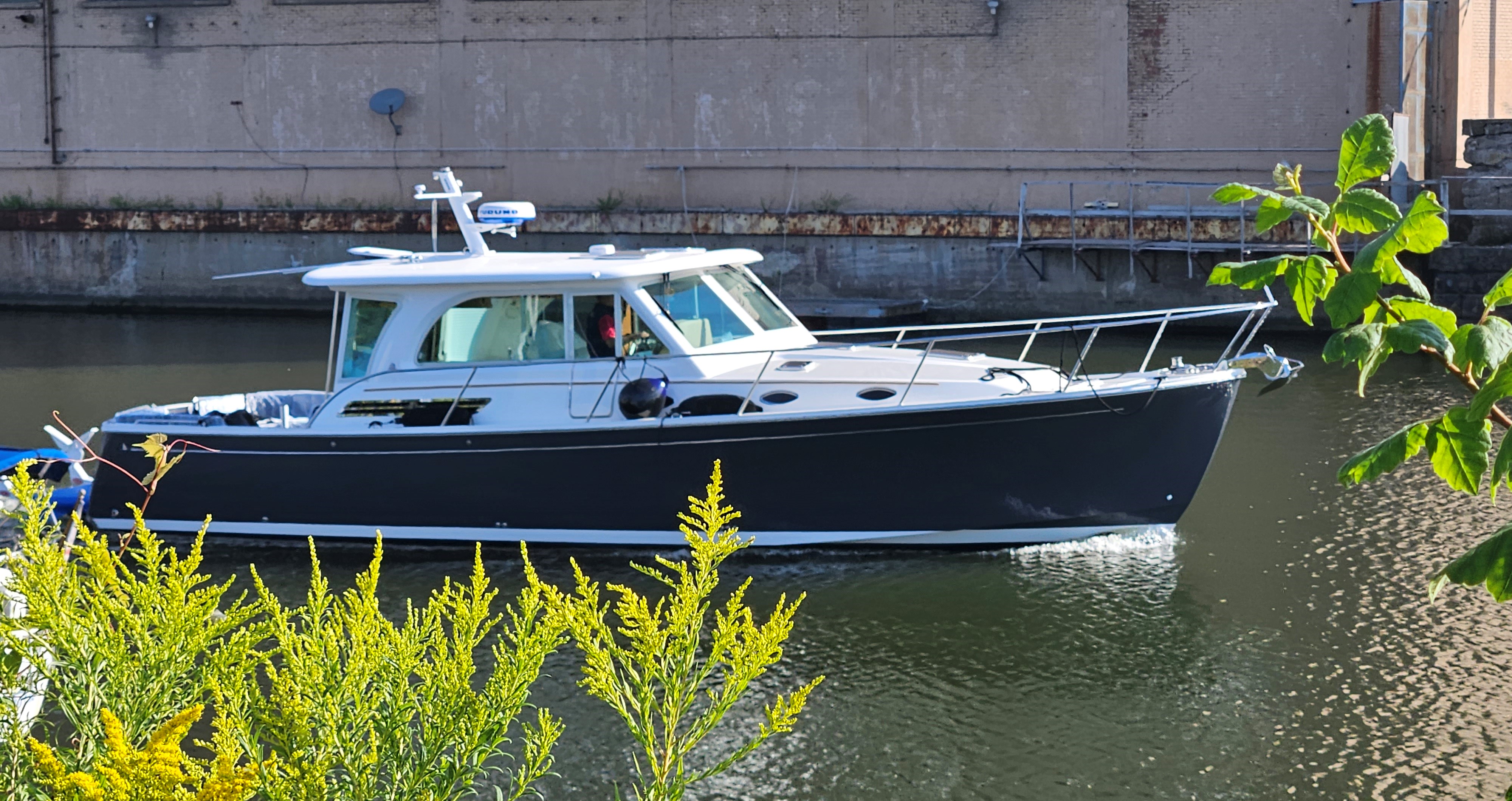
Sept. 27; mile 890: today’s run: 90 miles
The John T Myers commercial -sized lock has been under repair since July 2023. They estimate it will be closed until the end of September. Until it opens, barges will need to use the 600-foot lock. Tow captains will break up linked barges into smaller sizes, move them into the lock, then back out with the rest of the barges still attached. While the lock lowers or raises the tows wait. When the lock returns empty, they enter the lock with the last of their cargo. When they reach river level the barges are reattached and they carry on to their destinations. This is a time-consuming complicated business and apparently a dangerous time for crewmembers.
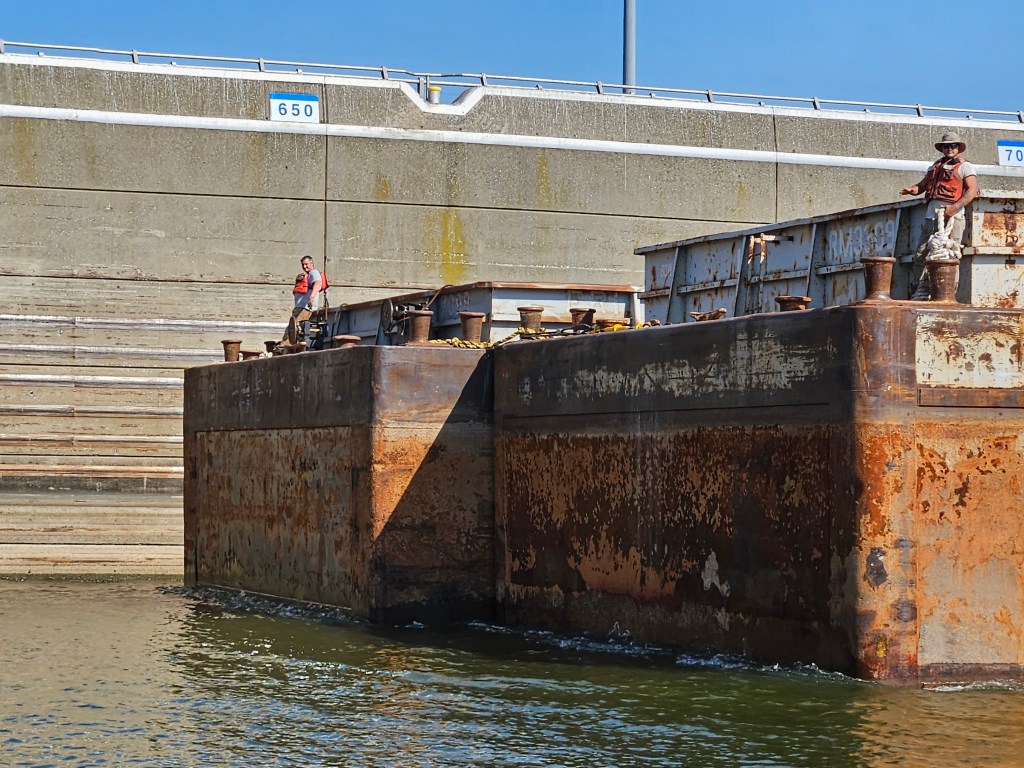
In anticipation of the slowdown at the lock, we rose at 5AM to arrive early to the lock. (We had already lost an hour’s sleep when we recently switched to Central Standard Time.) We called the lockmaster an hour out from the lock to request a lock-through. He responded that it would be 12 hours before he could load us into the lock. “Not until Tonight?” Mike replied surprised. We were not keen on traveling the river after dark. “You’ll see why when you get here,” said the lockmaster.
Plan B, was for us to locate an anchorage for the day. We wanted to be near enough to hear the lockmaster on VHF channel 13 when he called.
Eight miles from the lock we saw the first signs of the backup. Barge after barge had been driven nose first into riverbanks by captains waiting to be called forward.
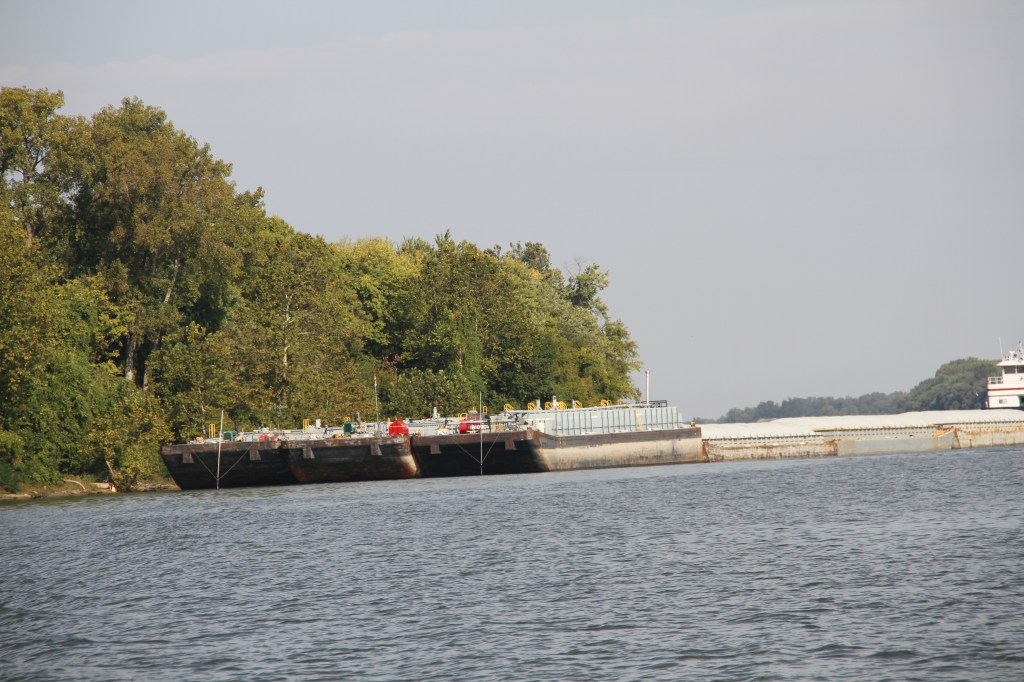
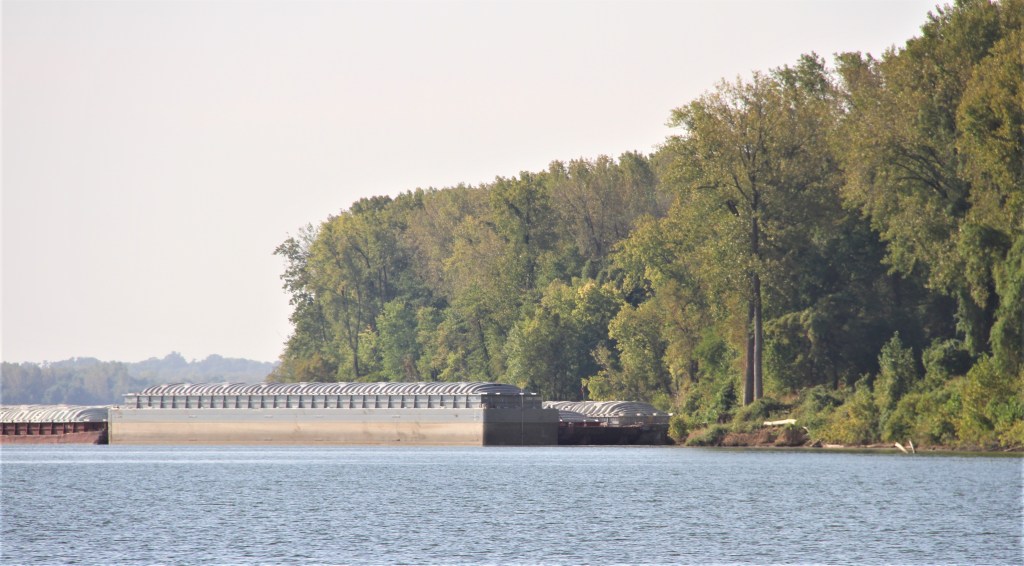
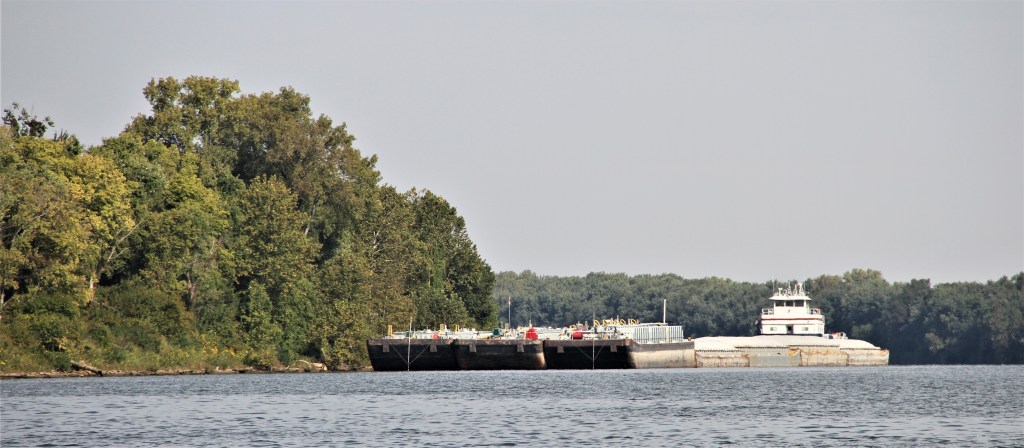
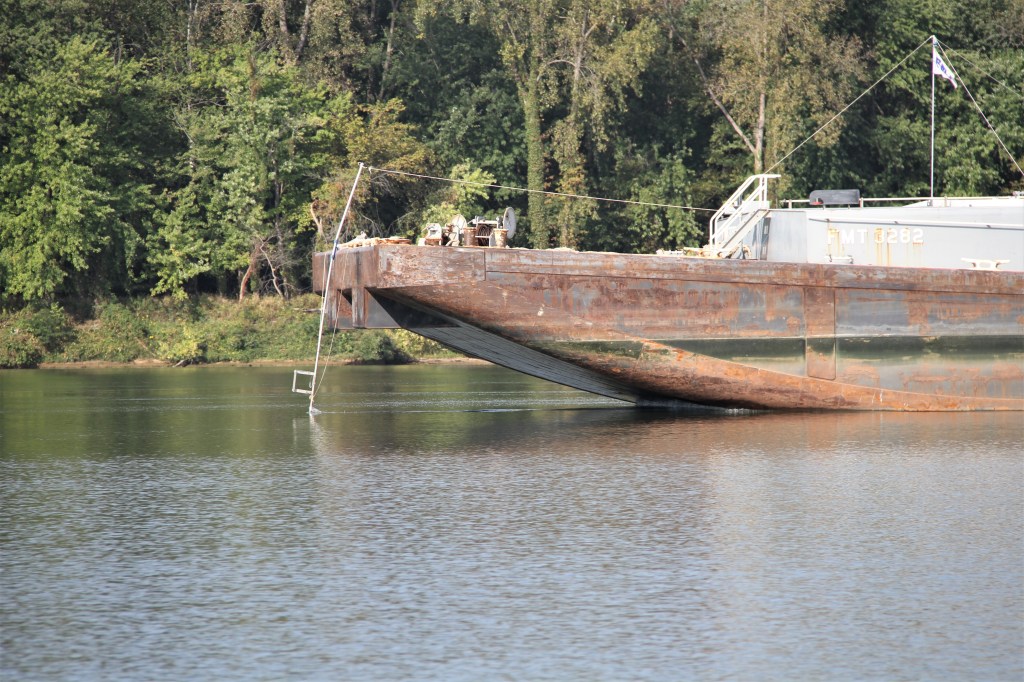
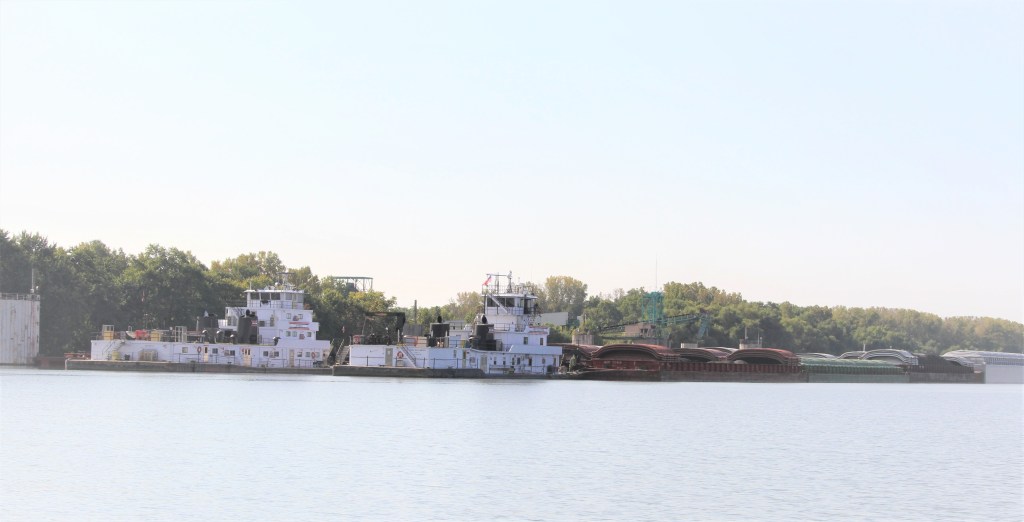
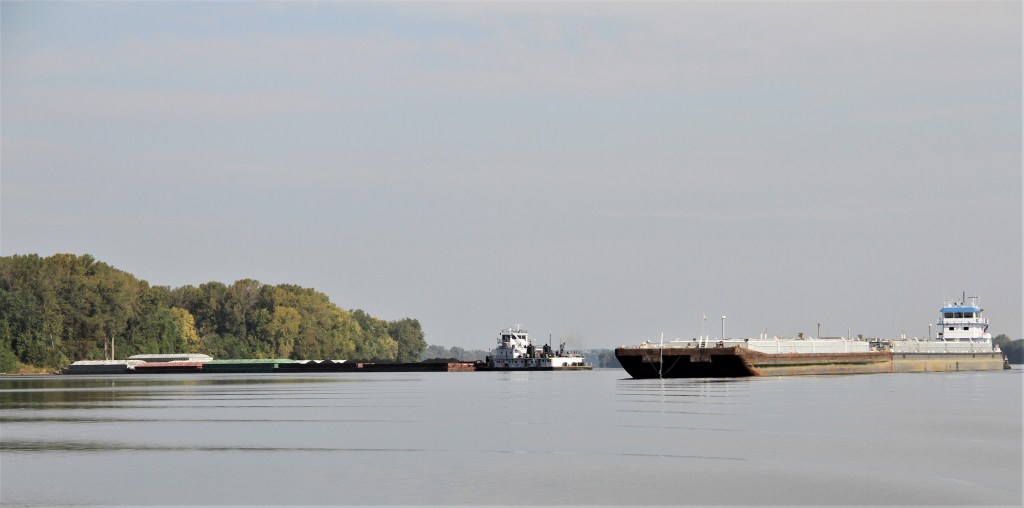
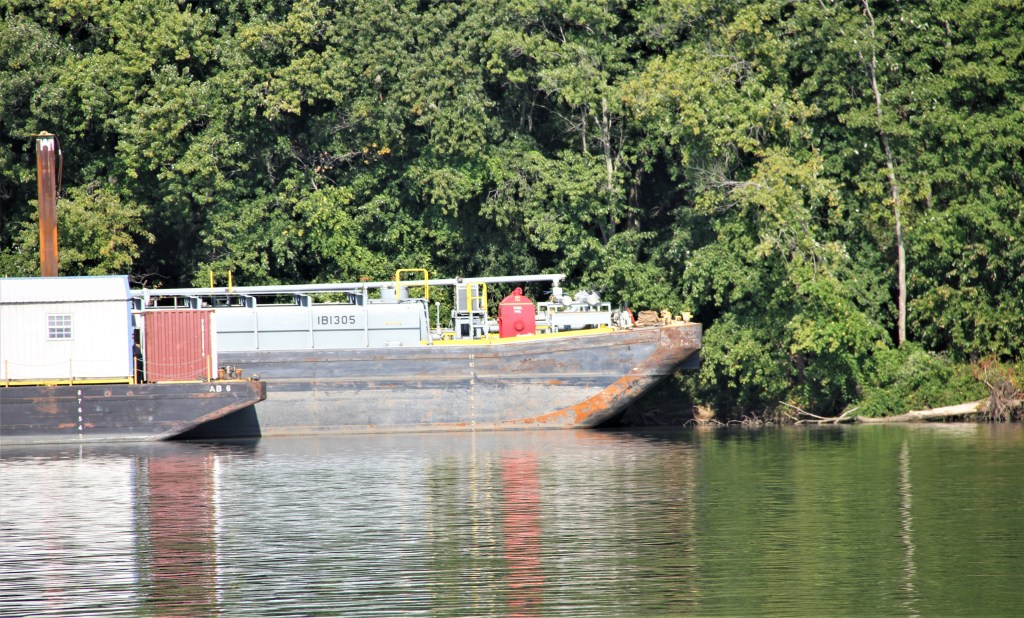
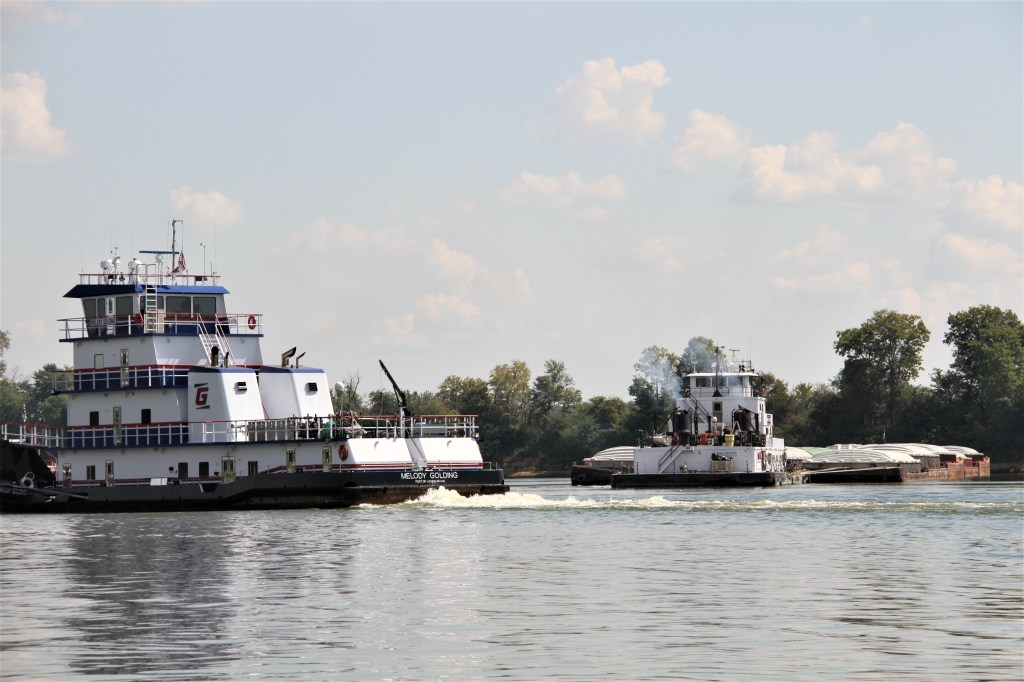
Two miles from the lock we suddenly receive a radio call from the lockmaster. We couldn’t understand everything he said but we heard the words “I can lock you through” and “how long will it take you to get here?” We shoved that throttle forward like we were racing in the London to Monte Carlo.
Arriving to the lock, we passed 1000-foot barge-trains loaded with costly cargo waiting to get called up.
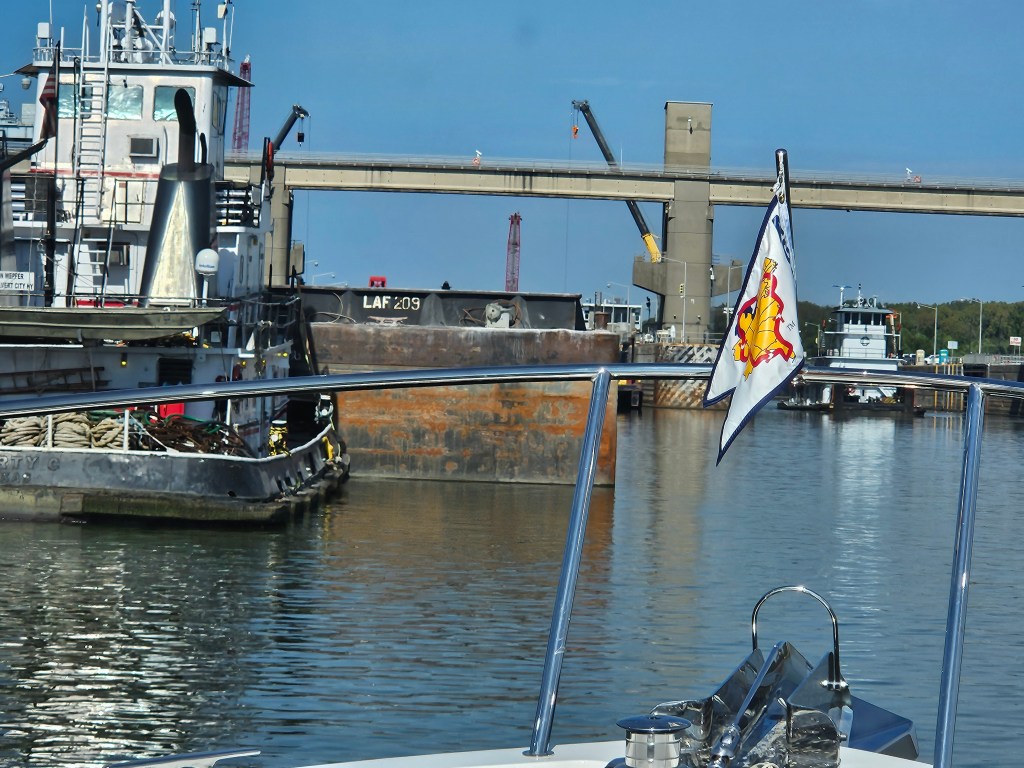
The 35-foot drop was slower than anything we had yet experienced. Sometimes, it takes some effort for the person on line duty to hold the boat in place. The other person, the driver, (in this case, me), drives the boat into the lock and occasionally uses the bow thrusters to keep the boat straight while it lies along the wall, (all while sitting in a comfy seat.) Before entering the lock, the person on line duty sets up four large, heavy fenders along the side of the boat and gets ready a line that will be used around the bollard. The same person holds that line keeping the boat from drifting. Normally, holding the line is not laborious work but sometimes, like that day, it was.
After leaving the locks, we dip the fenders into the river to remove the concrete grit before tying them to the stern railing. I call it ‘dip and clean time’. Mike was on bollard duty that day and after leaving the lock and feeling somewhat spent due to his efforts, I cheerfully reminded him, “ Its dip and clean time! You should have seen the piercing glare he gave me.
Now don’t feel sorry for him, we take turns. At the next lock, I’ll be out there handling the line and he’ll be sitting in the cushy seat announcing : “Dip and clean time!”
We learned today that 300 Looper boats are currently waiting in the Chicago area for the reopening of three Illinois River locks that have been under construction since June. One lock is behind schedule. When they open, it will take days to clear the backup; there is also a backlog of commercial boats which take priority over pleasure boats. The locking authorities have committed to locking through 17 pleasure boats a day. In addition, after miles of traveling, those same boats will stop at Paducah, Kentucky to refuel, but the full-service marina, is without electricity for a month’s time. No electricity – no fuel or pump-outs available. Further downstream, when they join the Mississippi River, low water levels will cause more problems. In some areas, dredgers have created a one-way passage for boats. Just like when highway workers create a single lane and stop cars allowing them to pass through one at a time. These are the reasons we are traveling the Ohio River instead. Why didn’t all Loopers use the Ohio River? Because the Ohio River is not connected to the Great Lakes, and you need to transport your boat overland to access the northern perimeters of the Ohio River.
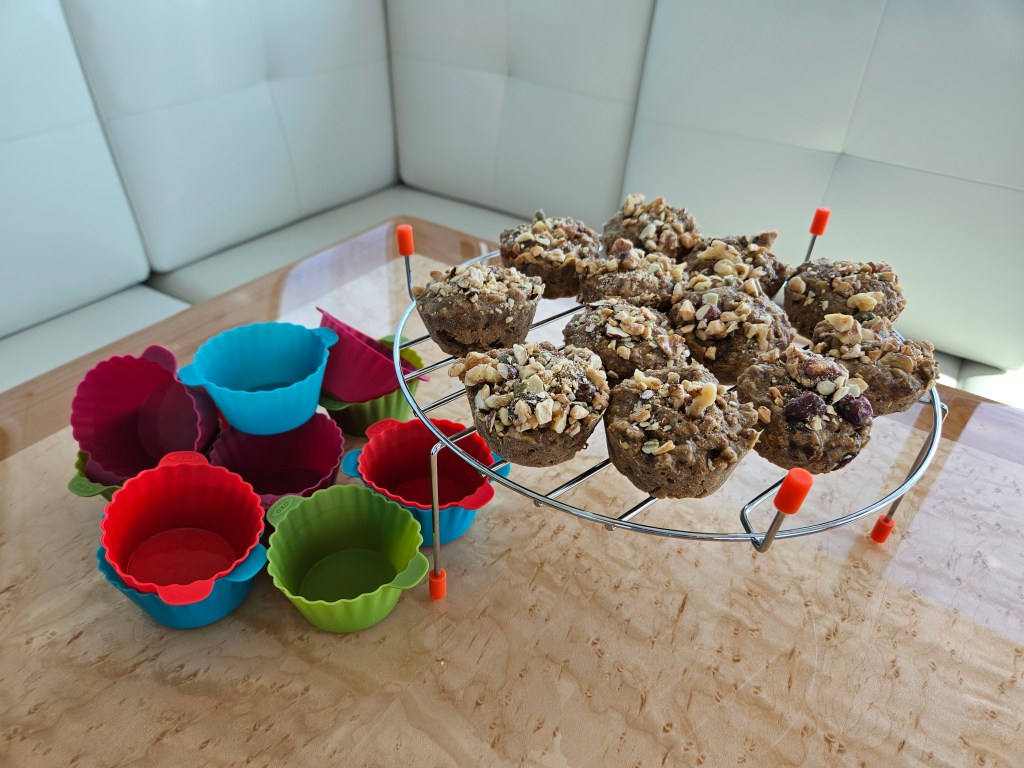
I made muffins before we got to the anchorage.
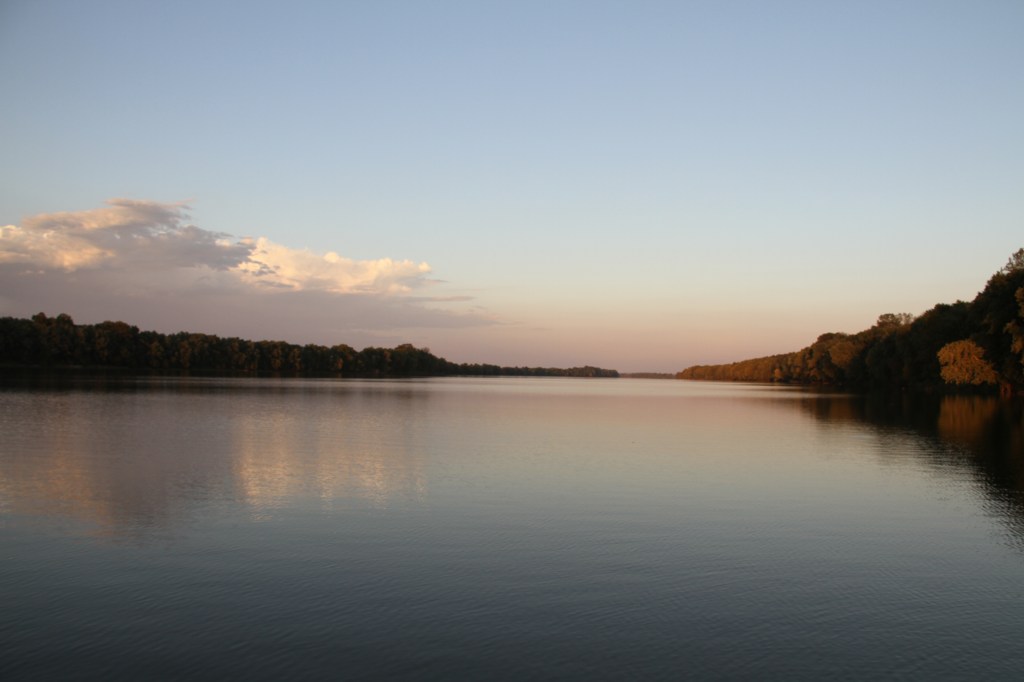
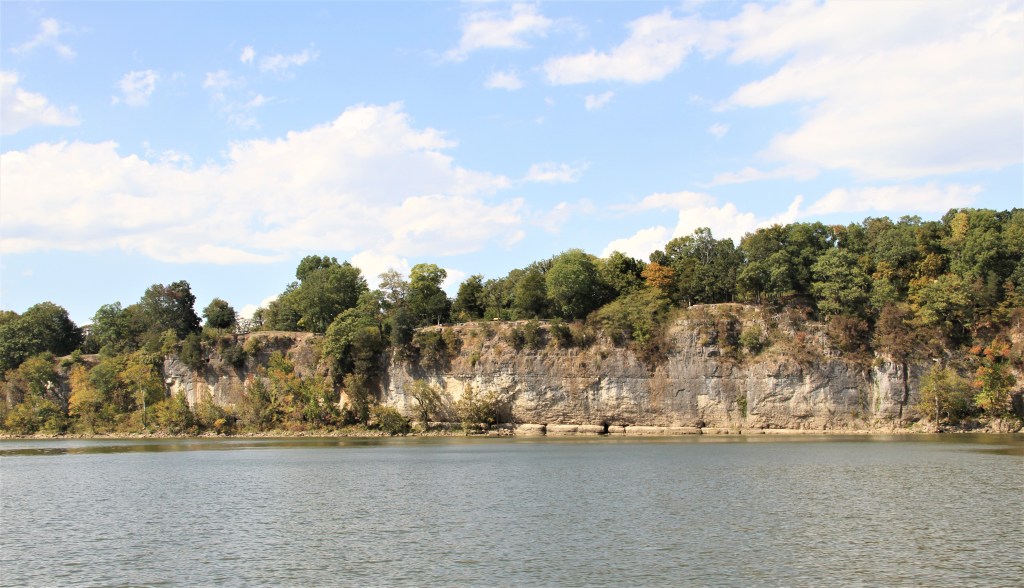
We anchored behind Hurricane Island. It’s been a long day. We welcomed the serene beauty and calmness of the anchorage. Surrounded by forest while watching the sun set behind distant trees was peaceful. Alone with nature we thought. But what wakes us in the middle of the night? A police siren followed by an ambulance siren! We weren’t as far from civilization as we had envisioned!


 Traveling the Great Loop
Leave a comment