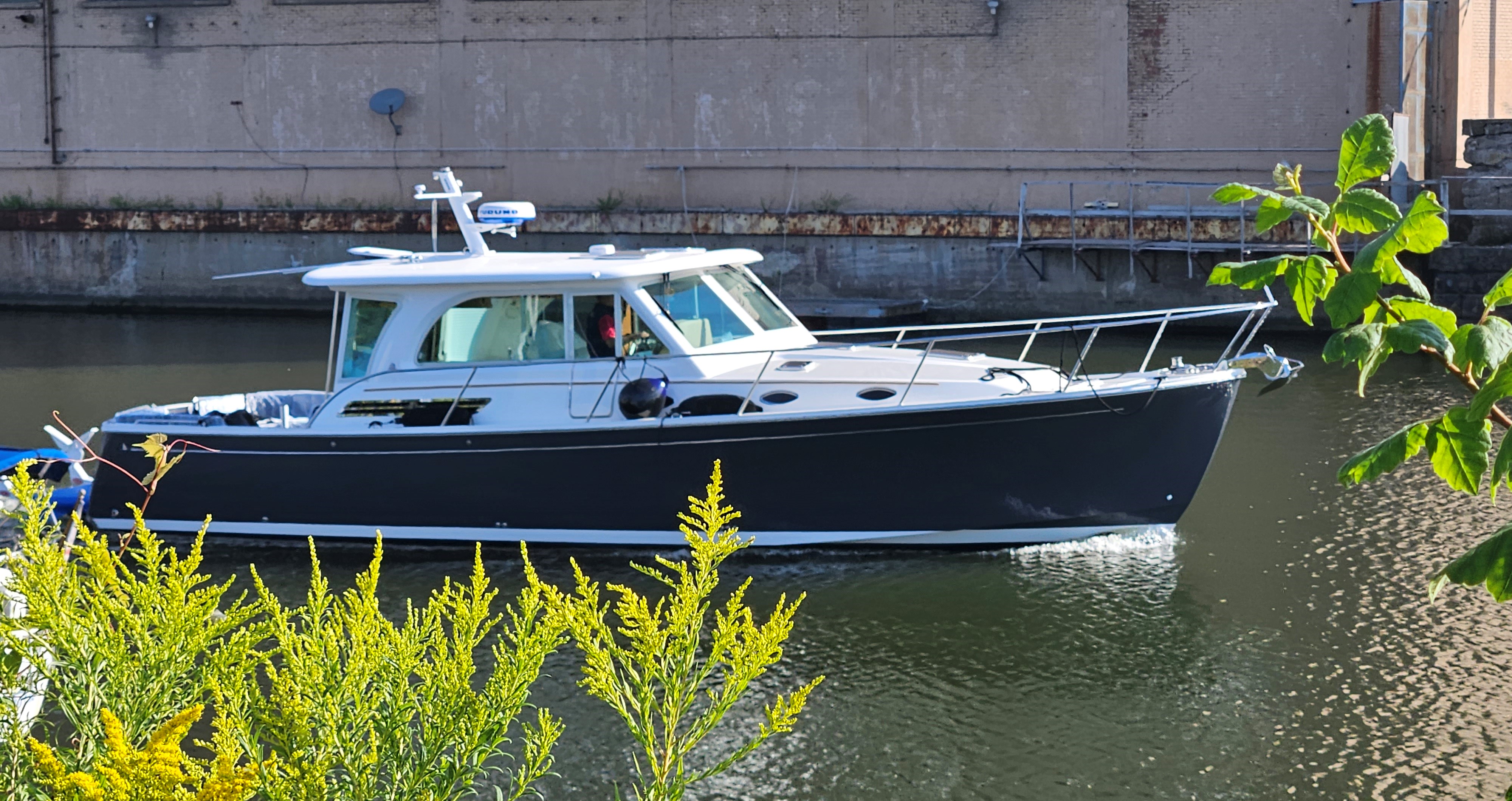
Nov. 21: Columbus to Lower Cook’s Bend: mile 277; Today’s run: 57 miles
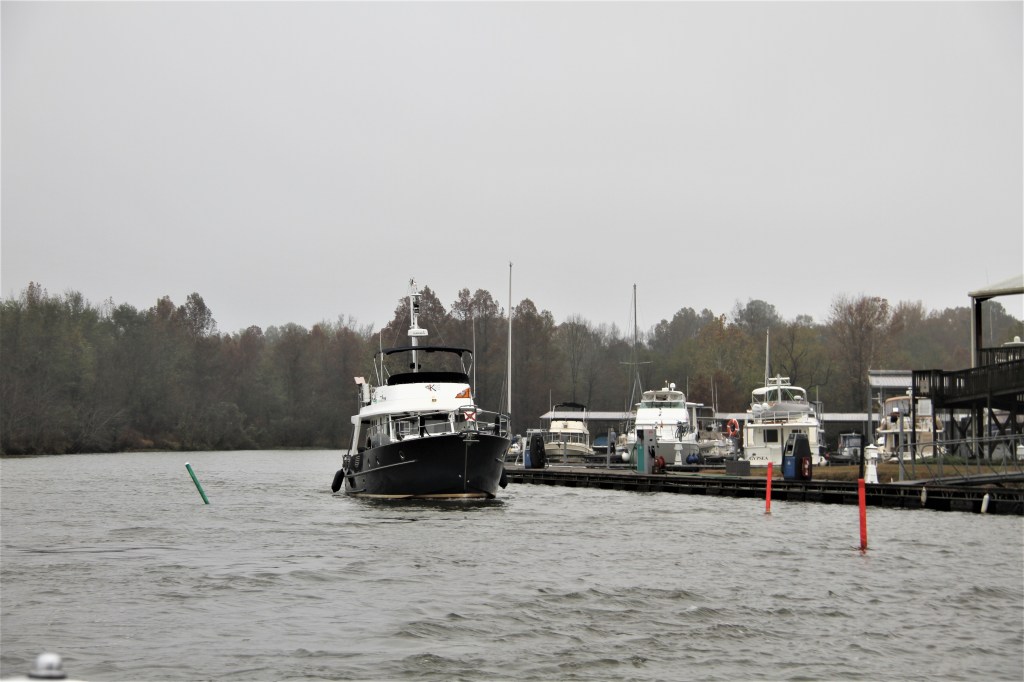
Our first lock of the day, Stennis Lock, located just outside Colombo Marina, was notified the evening before that a fleet of boaters wished to lock through early morning. We left the dock at 7:15 to be ready for the 7:30 lock-through. But due to a delay caused by one of the boats not leaving the dock early, we waited several minutes while tied to the pins. Annoyed with the late-comer, the lockmaster offered a few words of disapproval when the tardy boat showed up.
While waiting, I radioed the lockmaster to ask how water in the locks was reused. Was water always dumped back into the river upstream and technically used to fill the lock again for the next lock-through? “No”, he responded; in theory, the millions of gallons of water it takes to fill the lock, would follow us down the river and be used to lock us through each lock site.
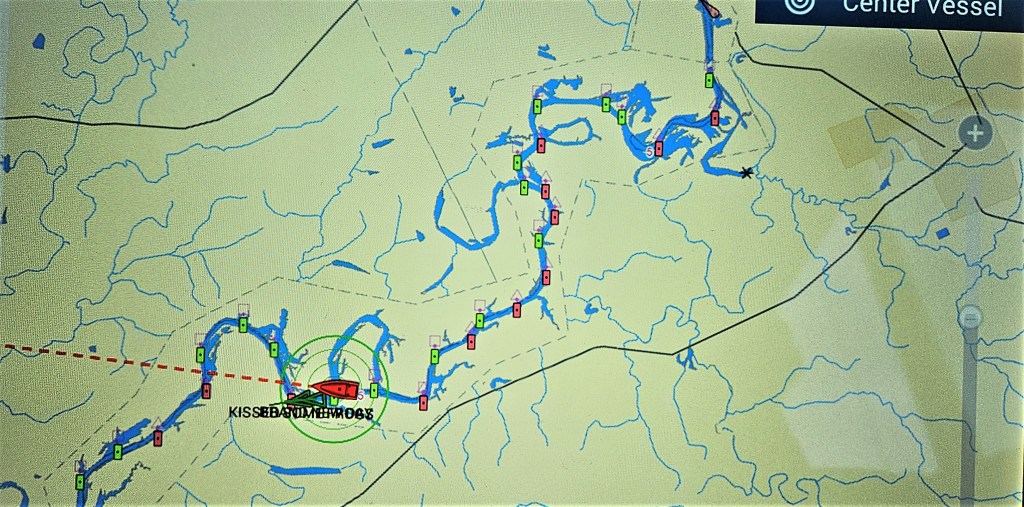
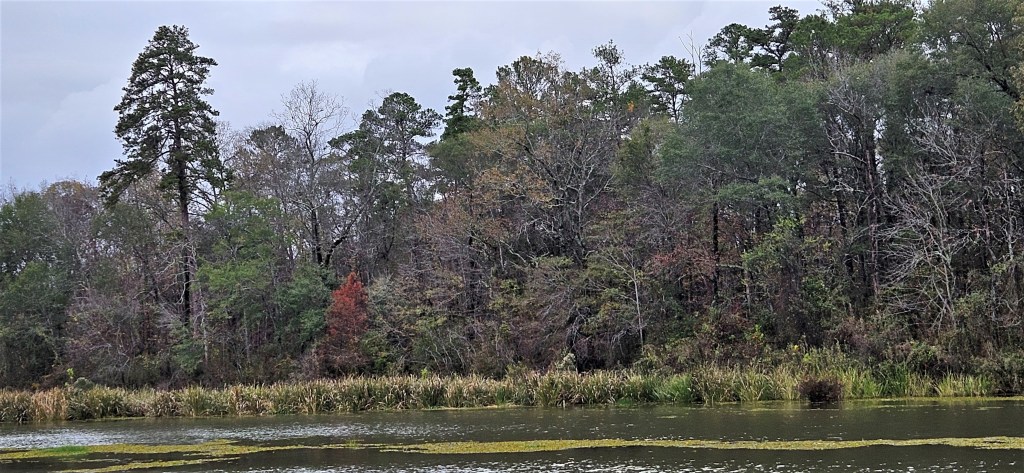
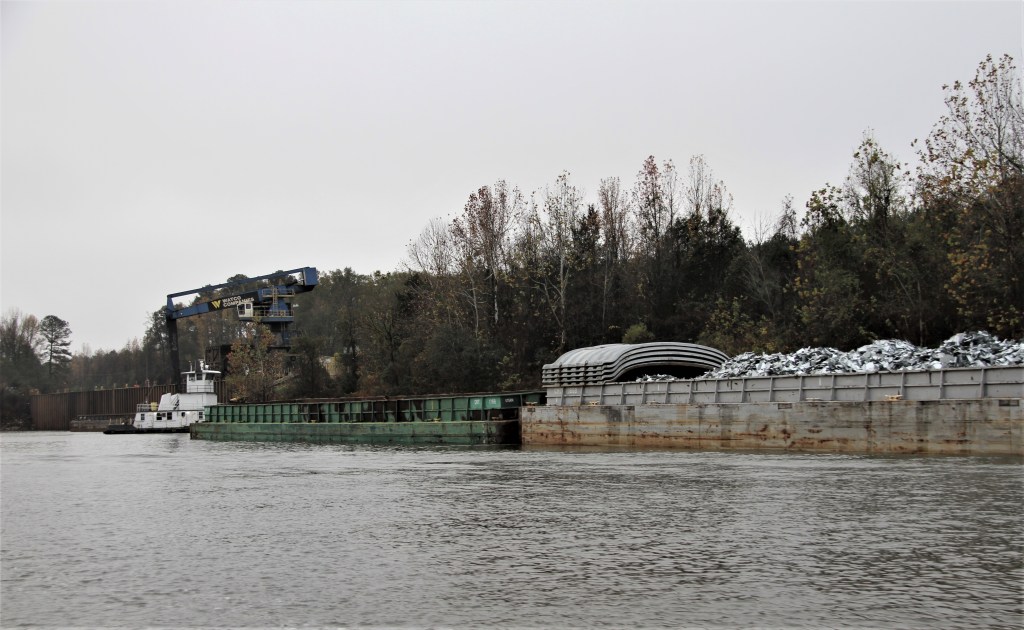
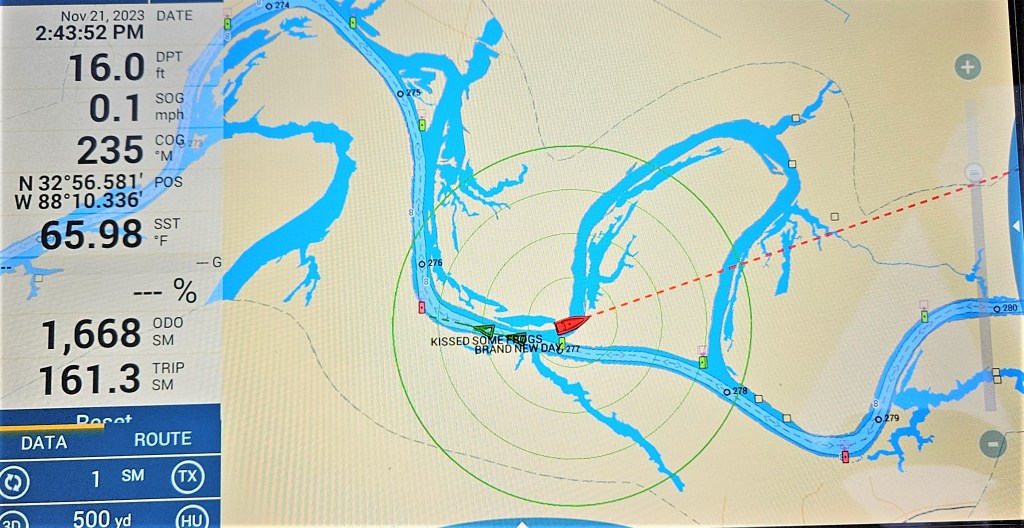
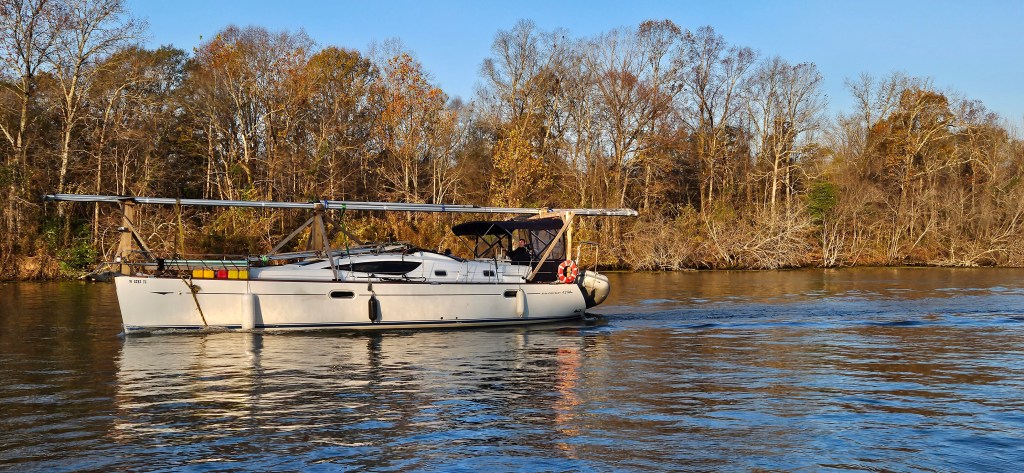
We left the anchorage at 6:30am; it was 3°C/37° F! In times like this, we appreciate even more the luxury of powerboat travel. This sailboat, with no dodger or windshield, would make for a chili passage.
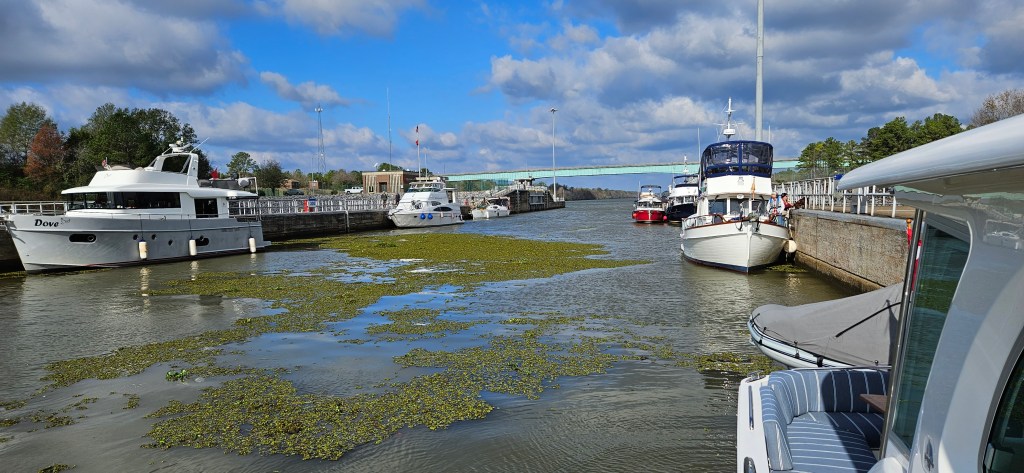
There are 10 locks on the Tennessee-Tombigbee River.
Howell Heflin Lock and Dam near Gainesville, Alabama: mile 266, the southernmost lock on the Tenn-Tom.
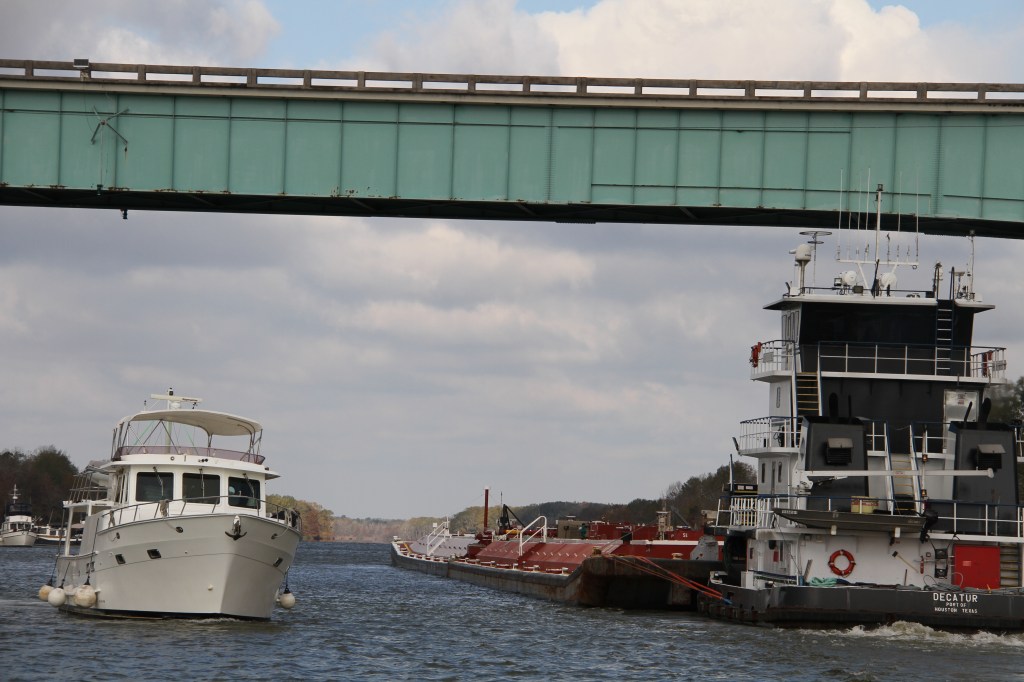
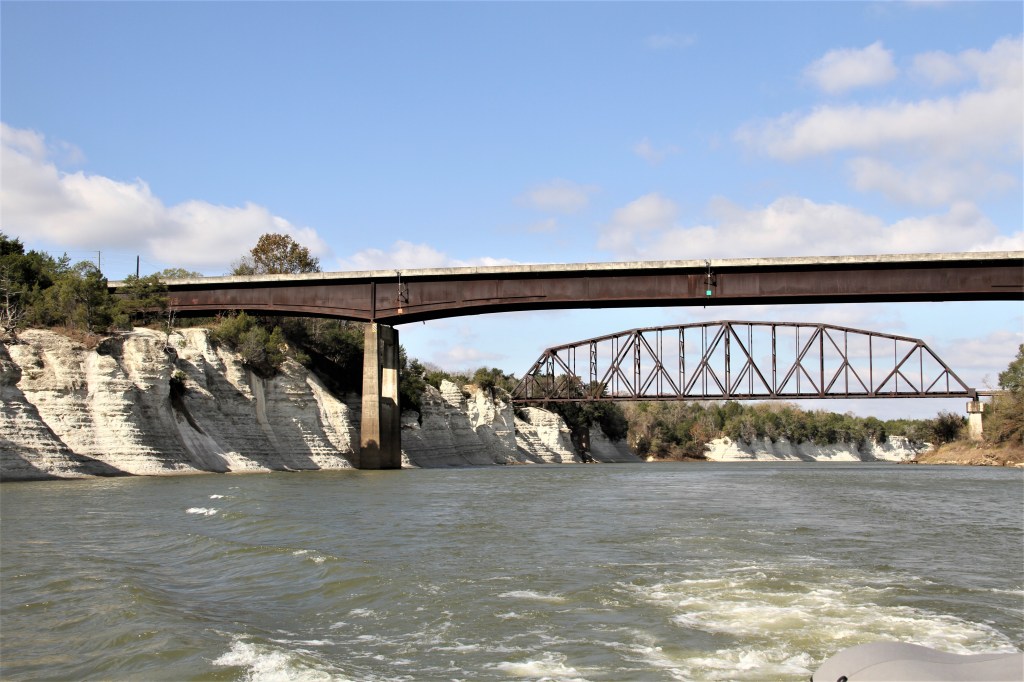
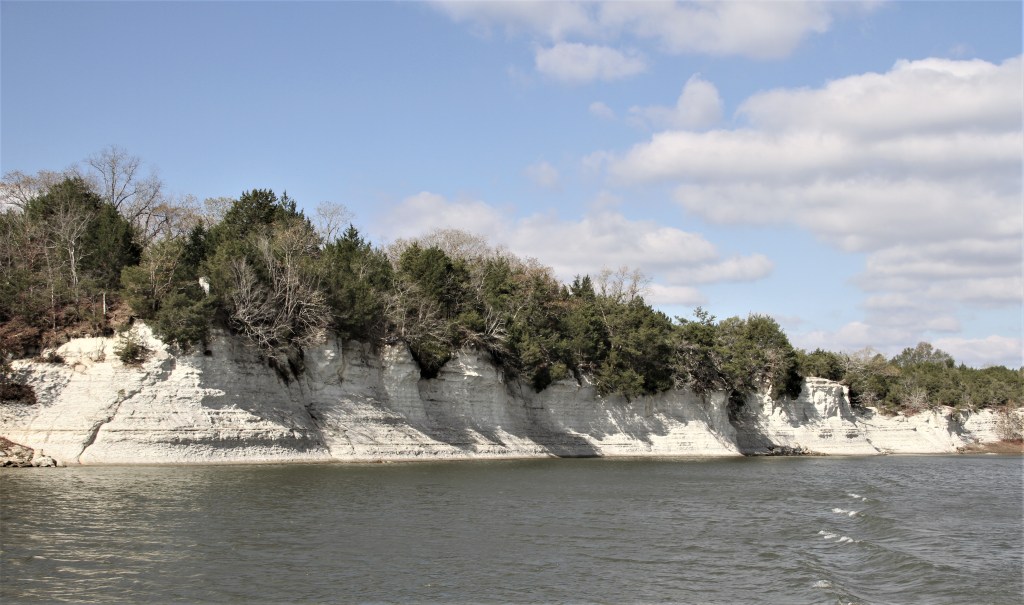
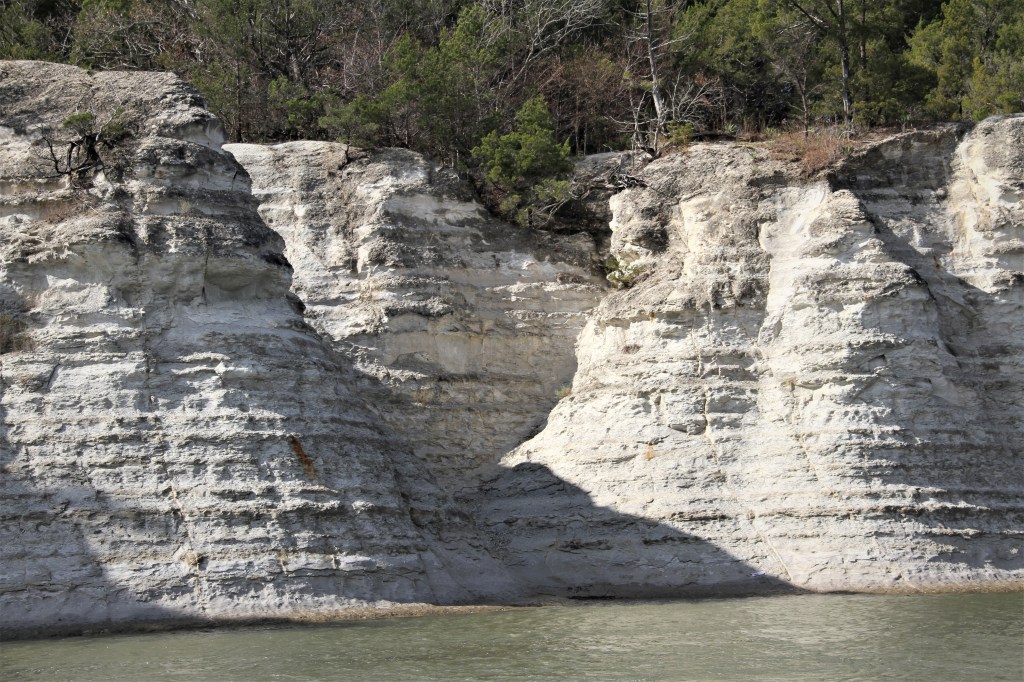
Demopolis, Alabama, Kingfisher Marina, Tennessee-Tombigbee River: Nov. 22; mile 217; Day’s run: 60mi
History: Settled in 1817 by the French, who tried unsuccessfully to grow olives and grapes, Demopolis was given a Greek name meaning ‘City of the People’. In later years, the town’s economy was supported by cotton-growing plantations.
Right from the moment we pulled up to the fuel dock at Kingfisher Marina, near Demopolis, it had a different feel to it. “Welcome”, was the first word we heard from the young couple taking our lines. Then we were told of the amenities the marina offered. Did we have garbage they could take for us? They handed us a printed copy of the layout of the docks, (ours was highlighted). The young man, while pointing to the layout, confirmed “7 slips in, and 2 slips from the last covered dock”. A list of rules for using the courtesy car, including how to sign up for it, (each boat owner was limited to 2 hours, and they must call the office when the car is returned to the parking lot); where to find a sign-up sheet for either the 6 am or 8 am lock, ( they would call the numbers to the lockmaster in the morning); how to sign up for an American Thanksgiving turkey dinner, which was to be held at the marina the following day, and where to sign up for bringing a side dish to that dinner. These two energetic, efficient business partners must hold conference meetings every night, I thought.
That evening, we borrowed the courtesy car and went to dinner at a locally run restaurant, the Red Barn. Before we left the marina, we were reminded that we had 2 hours to get the car back. I had a feeling we might be penalized if we were late and I envisioned it being discussed at this evening’s conference meeting. “What will we do if the Hill’s are late returning?” “We’ll inform them they have lost their rights to be plugged in at the dock ” ” It will be cold in the morning” “Yes, but it serves them right for not getting back in time.” ( We were back in time.)
The Red Barn restaurant was back-woodsy like; small wooden booths and wall mounted prized deer heads with dark bulging, glassy eyes hung on wood panelled walls. It was one of the last places we heard the words like: “Y’all look’in to eat? Yes ma’am, you can have this booth right here.” They had good ribs!
The following morning we left the marina at 5:30. It was dark. Very dark. We used a high-powered spotlight to highlight the perimeters of the marina’s narrow channel. We retraced our path from when we had arrived the day before as best we remembered it. We kept the marina’s white buoy to port and stayed slightly starboard of centre of the channel. Those had been the marina’s instructions for entering. River water was at a winter-low, the channel was shallow. The depth sounder read half a foot, but our transducer is set for 4 feet of clearance under our keel. That meant we had 4.5 feet. Our draft is 3.9 feet.
Eight other boats from the marina were locking through at the same prescheduled time. The marina had called that morning to let the lockmaster know how many boats to expect.
The lock was 3 miles away. We navigated keeping our boat’s icon on the shipping line of the electronic chart and watching the rudder angle to determine how much I was turning the wheel. I can be totally discombobulated in such dark conditions. It was similar to using a simulator. Once inside the lock, overhead lighting offered good visibility.
There were more boats than pins and boaters needed to raft off each other. We radioed one of the smaller boats and asked if we could take their lines and tie them off on our starboard side. They agreed, but after throwing me their bowline, the line person could not reach the sternline before a breeze caught their boat broadside and forced the boat away from us. The captain couldn’t get the 32-foot Ranger Tug back alongside, and her stern drifted into the middle of the lock. I had to let go of the bowline. The tug managed to get sorted enough to tie off on the forward-most pin, the pin the lockmaster explicitly advised not any of us use. (Tying to forward pins in some locks, do not leave enough room for the lock gates to swing open.)
Almost immediately, the lockmaster left his control booth and walked with purpose around the lock to the Ranger Tug. He called down to the tug with a reminder that he had earlier announced that no one was to use that pin. “But you’re there”, he said, “Move back as much as you can when the gates open.” ( That must have had the owners perspiring all the while the lock was emptying.) Just before the lockmaster left, he added: “When you get to your destination, I want you to take a Coastguard course on how to handle a boat.” ( Ouch, I thought. I don’t think the comment was called for. The 32-foot Ranger Tug weighs about 12, 500 IBs, (that’s light), and the bow thruster sounded like my hair dryer. (No offense meant.)
I was on line duty and I could hear all this taking place. Behind us, a boat with a dog onboard, took the opportunity during the delay, to lift the dog up onto the lock’s platform, let him do his business on the railing, and then quickly lowered him back onto the boat. I got the impression this was not the first time carrying out this scenario. The dog knew exactly what he was there to do and he knew he had only seconds to carry it out.
Suddenly, I hear the words,”Oh Canada.” I look up; it’s the lockmaster standing over me. He informs me how we are to leave the lock when the gates open. Usually, this is a no brainer; boats leave in the order in which they came in, the forward, middle and back boats peel off in that order. But he wanted all boats on the starboard side to leave first, followed by the boats on the portside starting with the Ranger Tug. “And”, he adds, “DO NOT pass anyone until you get out of the lock!” Boy, he woke up on the wrong side of the bed this morning.
When the lock doors opened, a light fog drifted over the water. The air temperature had dropped to 35°F /2C ° overnight. As we continued down the river the fog became denser. We turned the radar back on and went back to steering with the aid of the electronics. ( When boats are in locks, they often turn off their radar systems as a courtesy to anyone standing at the top.)

 Traveling the Great Loop
Leave a comment