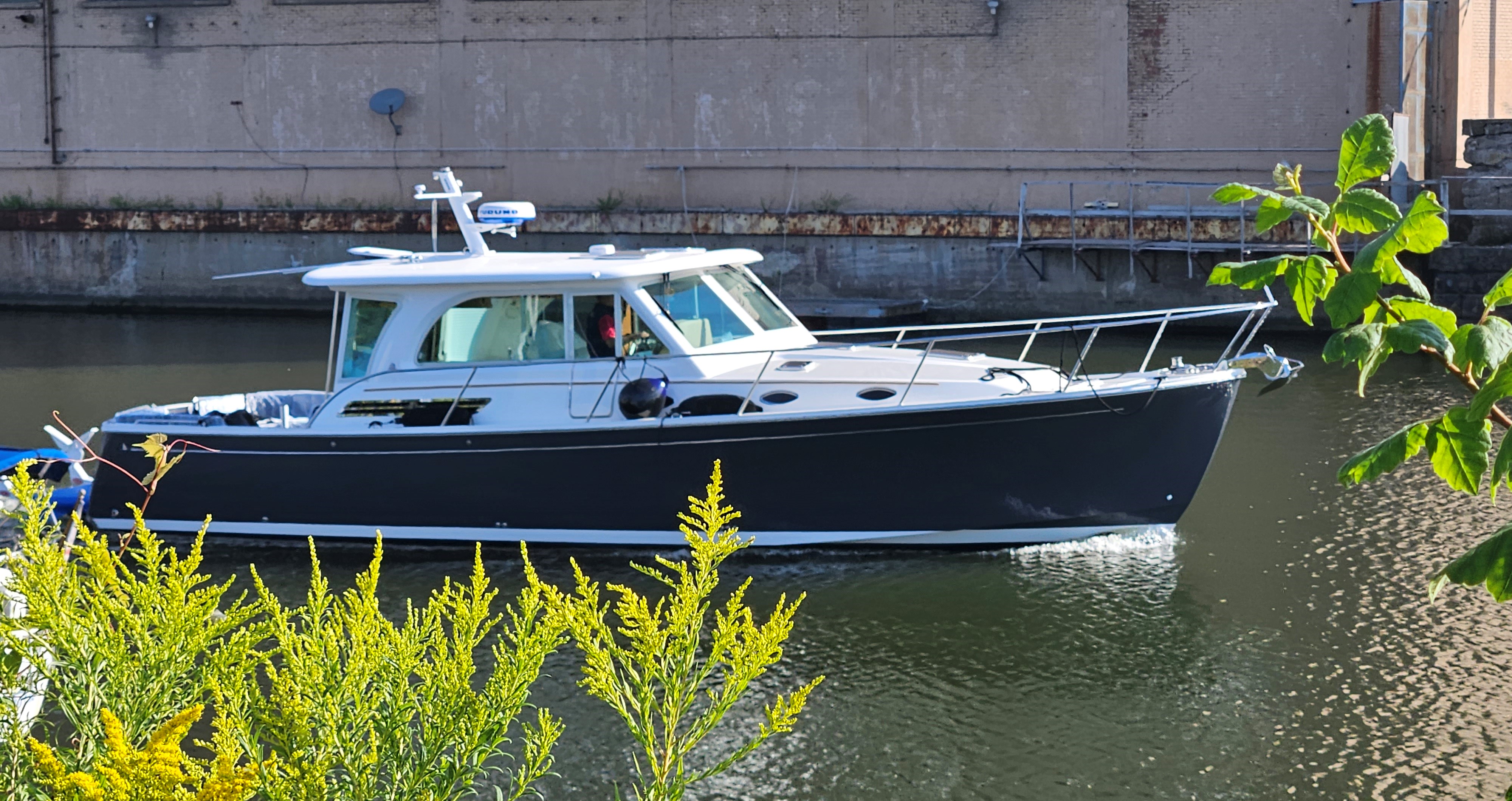
Jan. 11-14; Day’s run: 125 mi
We waited 4 days in Steinhatchee for a weather window to Clearwater.
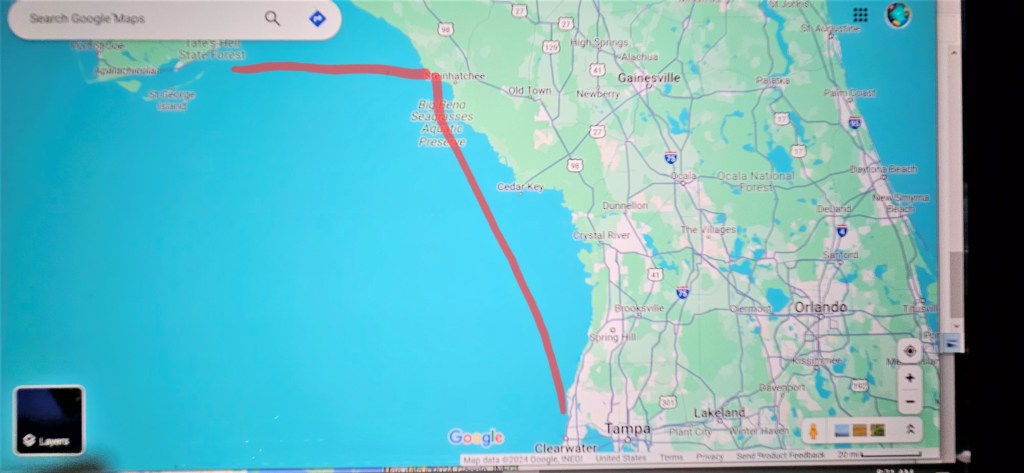
In preparation for getting an early start to Clearwater, a 125 mi/201 km passage, we left the Steinhatchee marina around 4 pm the afternoon before setting off for our destination. We motored out the long approach channel to a vast area of open, shallow water where we dropped anchor for the night. We did that, because an early morning falling tide might cause us to go aground in the channel when trying to leave the river.
The anchorage was not protected from either wind or waves, but opened to whatever weather was taking place in the Gulf of Mexico. Currently, winds were light and waves were forecasted to diminish overnight. Ideally, we would have liked to have left right then. But if we ran overnight, we would not have been able to spot the hundreds of crab pots deposited along the coast, and we couldn’t risk getting the propeller tangled in one.
Not surprisingly, it was a very bouncy night. In addition, the boat has a flared bow and the ‘chines’, grooves that divert water away rather than over the bow while motoring, result in ‘chine noise’, wave-slap against the hull. Using earplugs helps. I slept in our bed in the V-berth, Mike slept in the salon where there is less motion and less noise. Under such circumstances, that’s a good place for him because he often gets up to check on weather conditions and anchor location. And that is how he determined around 5 in the morning, that we had anchored in too shallow water. The charts indicated the tide was still falling and we might end up imbedded on the bottom. If that happened, we would need to wait for a rising tide to get out of there.
We moved into deeper water, reset the anchor and waited for the sun to rise. We needed enough daylight to spot the crab pots.
While we waited, I went through my passage-making routine: everything off the counter and secured, non slip mats spread over flat surfaces, ports and hatches closed, ensign out; camera with telephoto lens, notebook/ pen, binoculars and life jackets within reach. Earlier, we had notified a family member, who had received a list of boat specs, our ETA and coastguard contact numbers, of our departure. Mike checked the engine room for water intake to the engine, a clean fuel filter, oil leaks, and for a bilge free of water that otherwise might suggest something was leaking. We pulled up anchor shortly after 7 and headed south.
The day before, I had made porridge with apple chunks, prepared a hearty soup for lunch, and had put together the dry ingredients for baking scones. It would be easy to add the rest of the ingredients underway and then bake them in the convection oven.

The crossing was rough. Waves were not as steep as the west-to- east crossing, but they had shorter wave periods. There was little we could do other than look at grey skies, vast amounts of water, and keep an eye out for crab pots and steer around them.
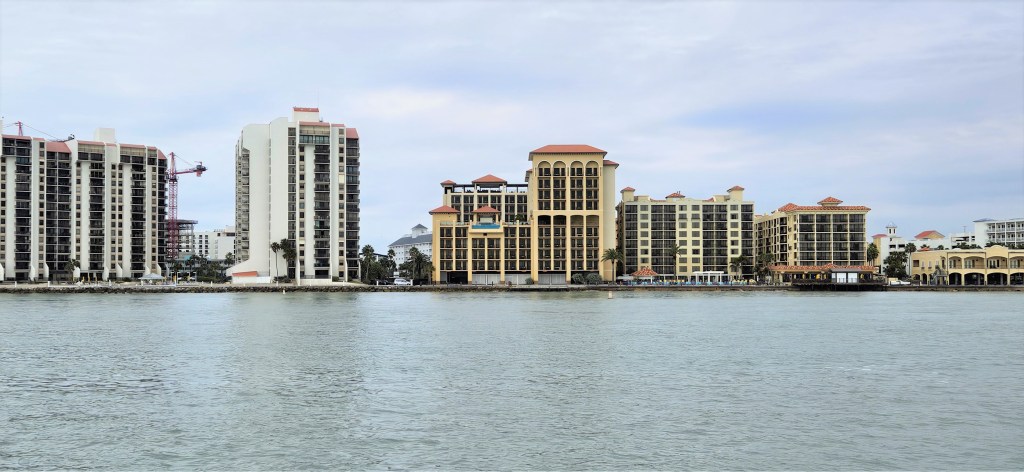
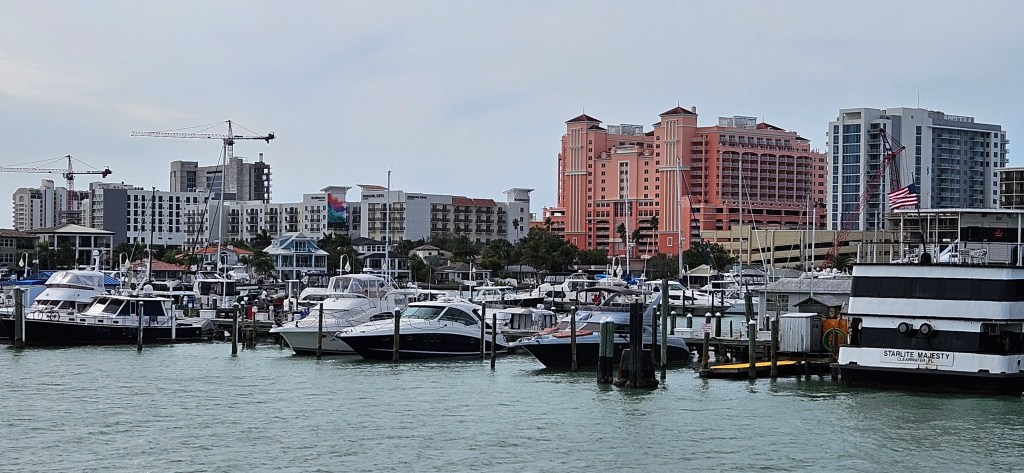
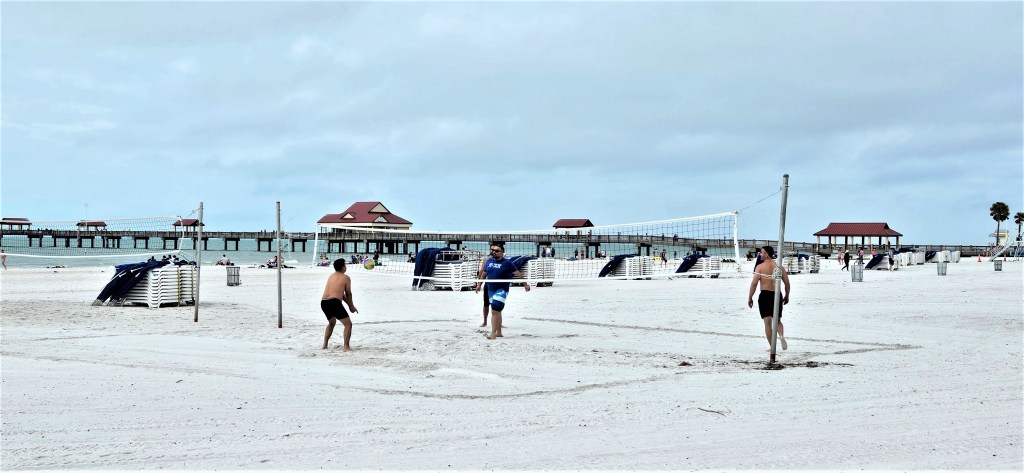
CLEARWATER, 25 miles west of Tampa: population 117, 300. The place-name was derived from the Native American name “Pocotopaug” meaning freshwater spring.

Before I Go:
During World War II, (1939-1945), Clearwater became a major training base for U.S. troops destined to fight in Europe and the Asia-Pacific War.

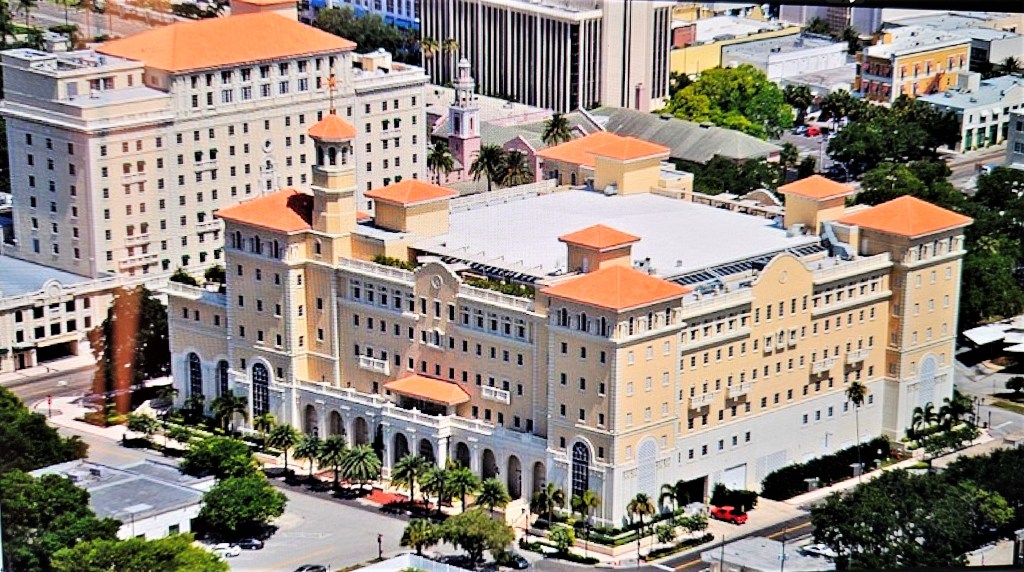
Built in 1926, the Fort Harrison Hotel was constructed by Ransom E. Olds, inventor of the Oldsmobile. He ran the hotel until his death in 1950. Jack Tar Hotels, purchased, expanded, and operated the hotel until 1975, but during the final years of that ownership, the hotel went into neglect. In 1975, the Church of Scientology purchased the building under the guise of two front organizations. After a multi million dollar restoration project, the hotel is now their “worldwide spiritual headquarters”. According to The Tampa Bay Times, the organization owns approximately 185 properties in Clearwater. To read more about the Church of Scientology’s involvement in the city of Clearwater, click here https://projects.tampabay.com/projects/2019/investigations/scientology-clearwater-real-estate/
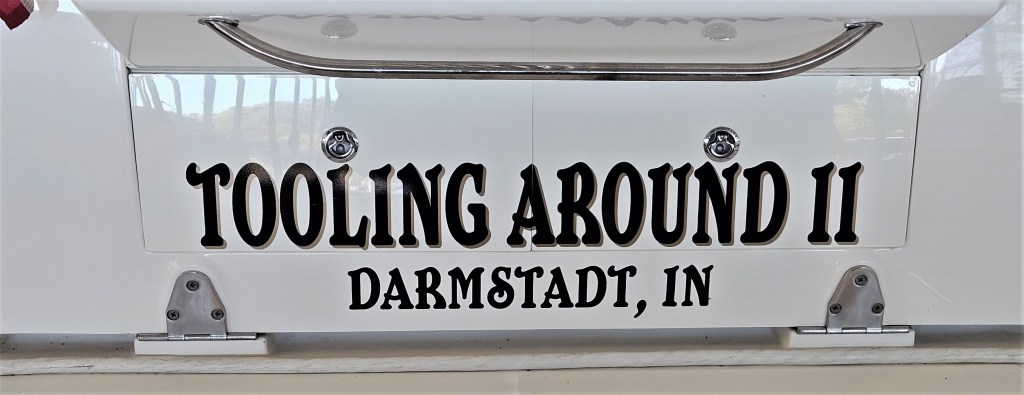
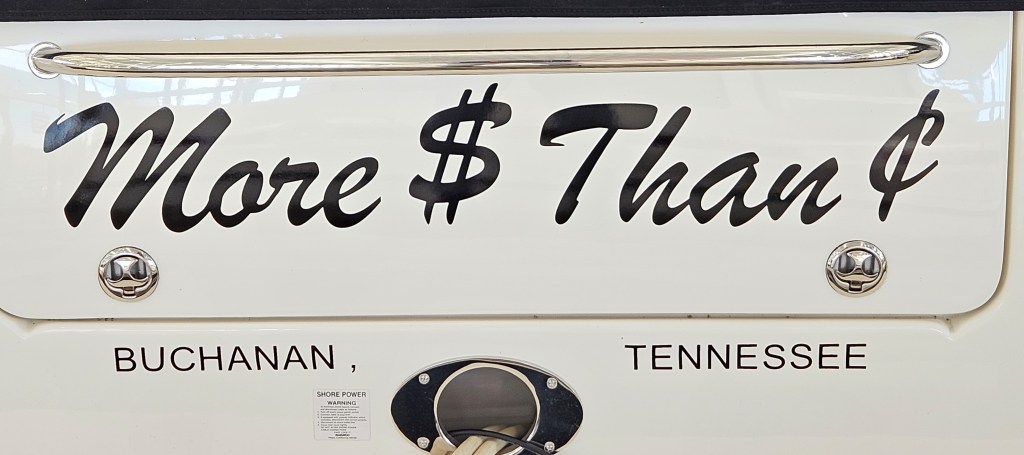
A Collection of Boat Names



 Traveling the Great Loop
Leave a comment