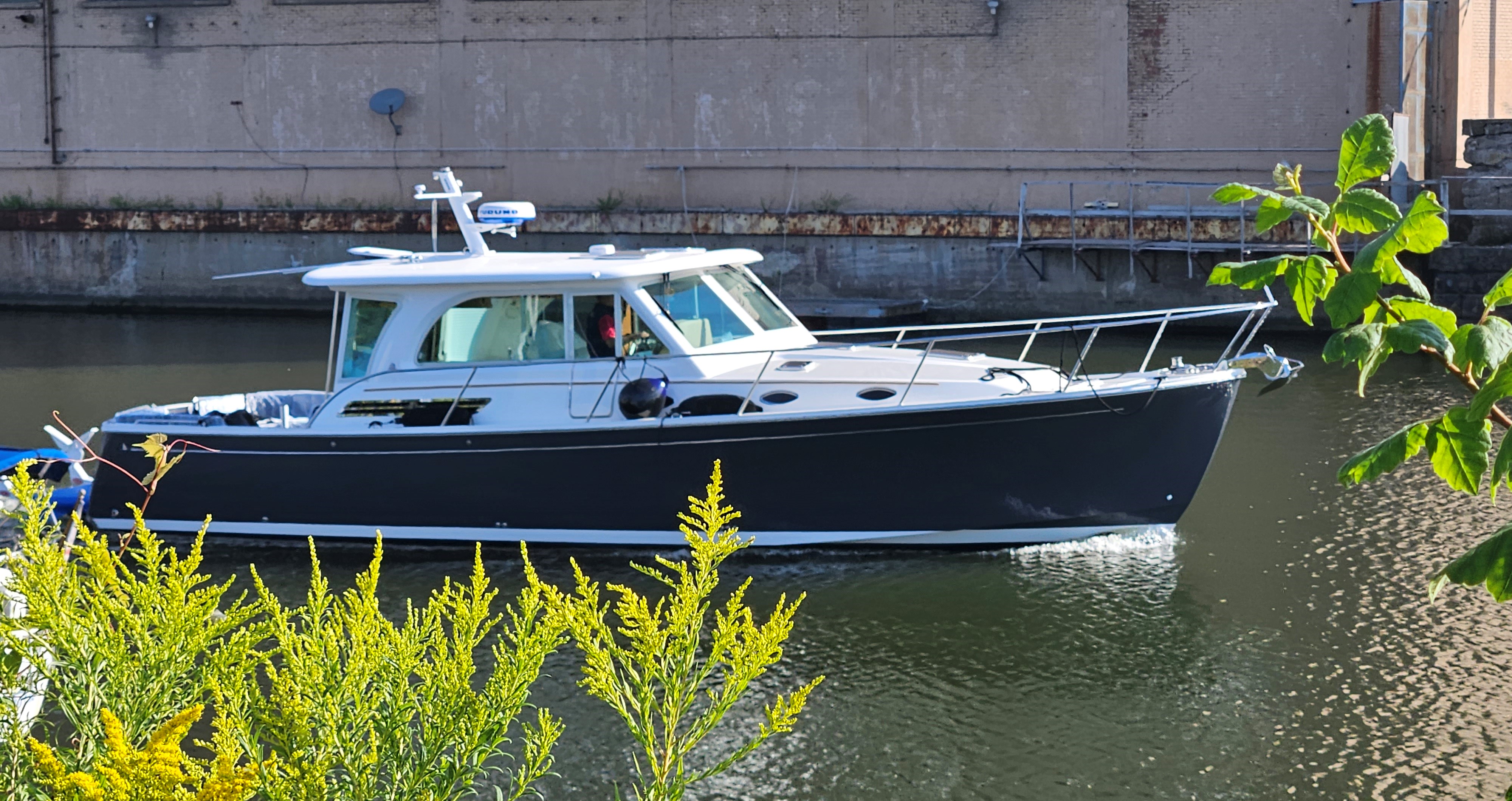
April 5, 2024, Moore Haven to River Forest Yachting Center; Today’s run 14 miles/ Travel time: 2 hrs.
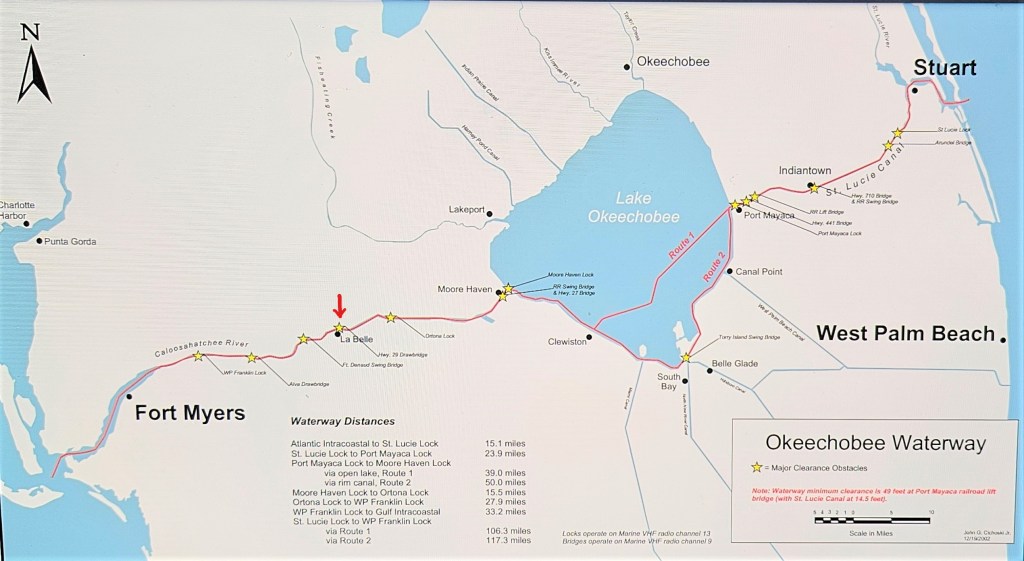
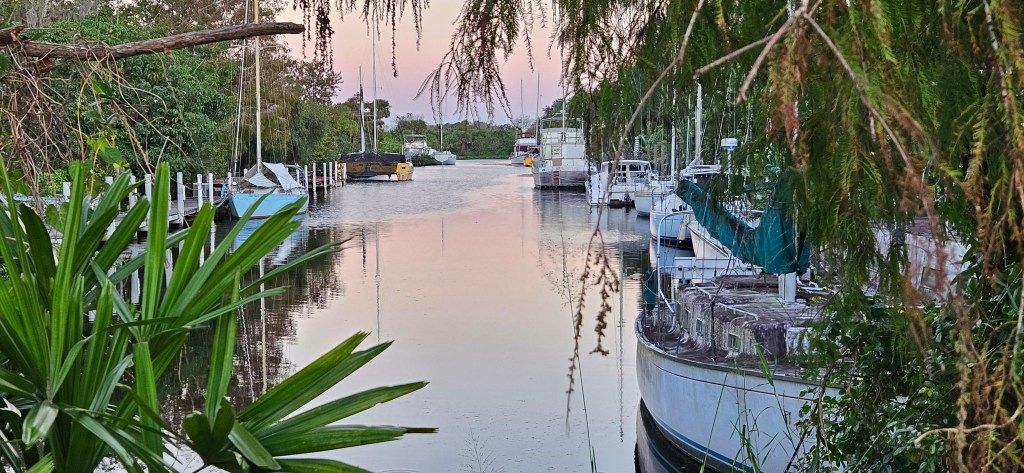
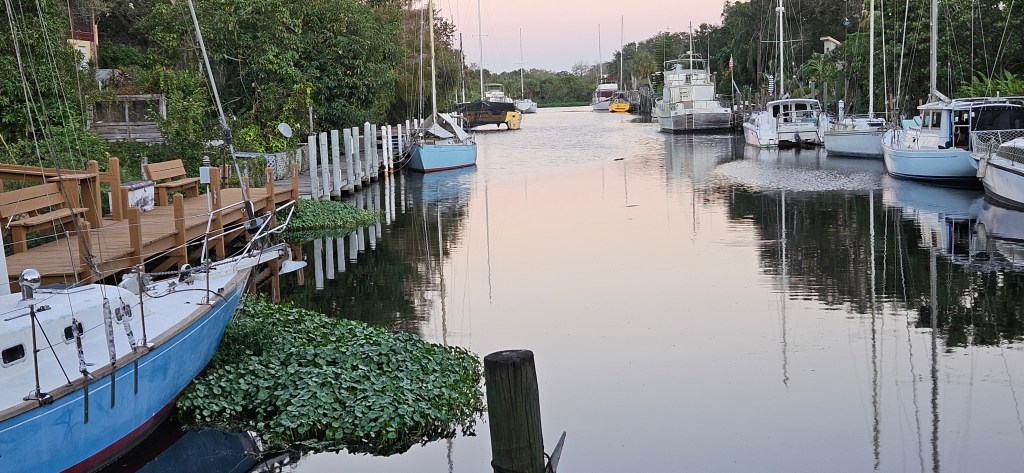
Leaving Moore Haven, we followed the Caloosahatchee River/Okeechobee Canal to arrive at River Forest Yachting Center.
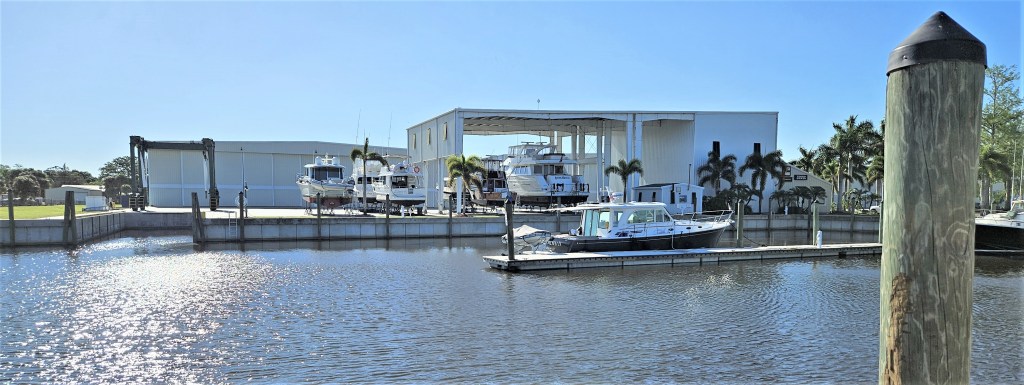
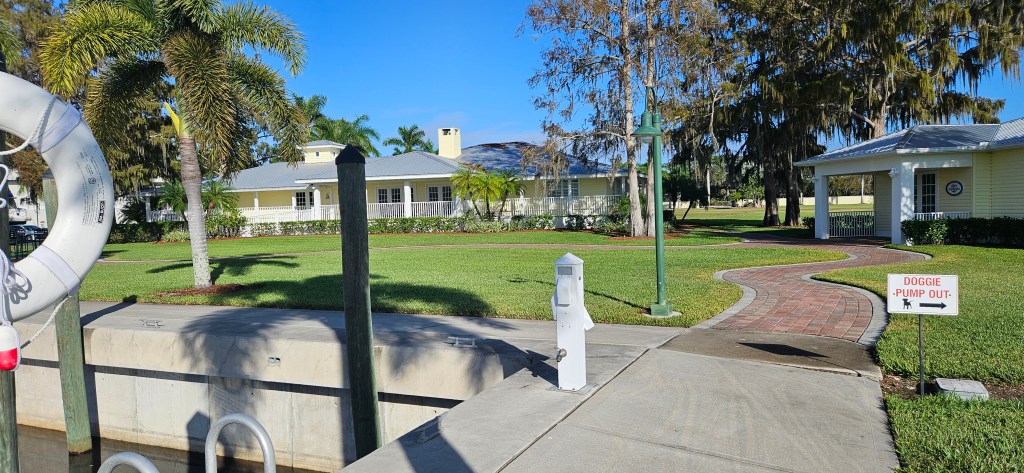
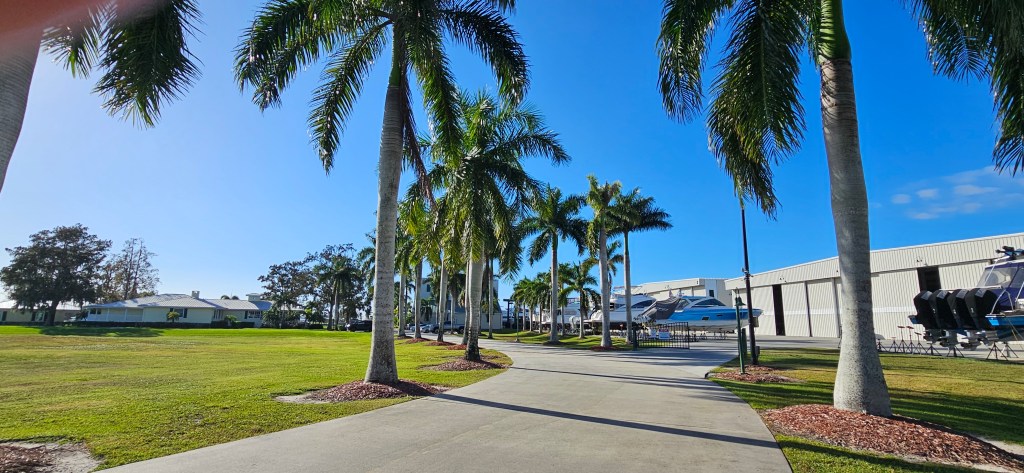
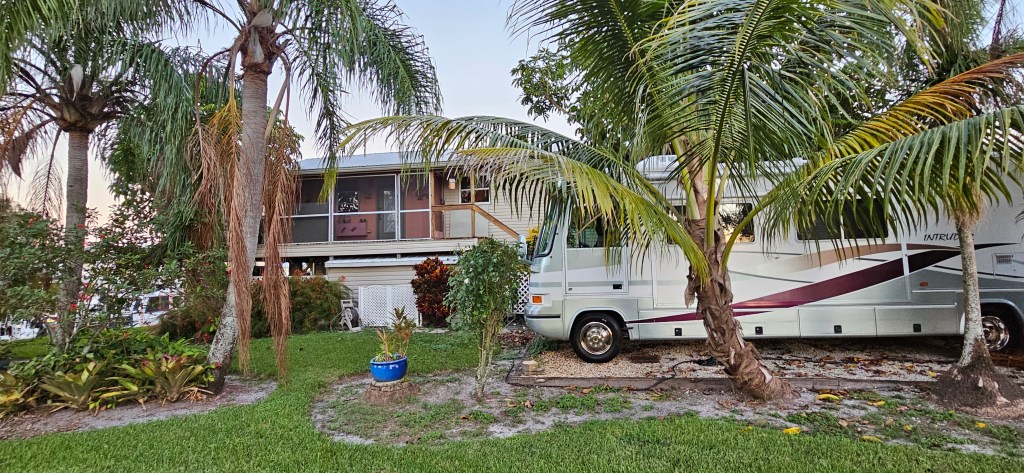
After docking our boat at the Yachting Center, and renting a car we stayed at River Yacht Inn, outside the town of Labelle, about a 20 minute drive from River Forest Yachting Center. We spent the next few days preparing the boat for summer lift-out and storage.
Moving off the boat allowed us to shut down the refrigerator and freezers, clean inside and out, run fresh water through the air conditioning system and unload, and donate leftover dry goods.
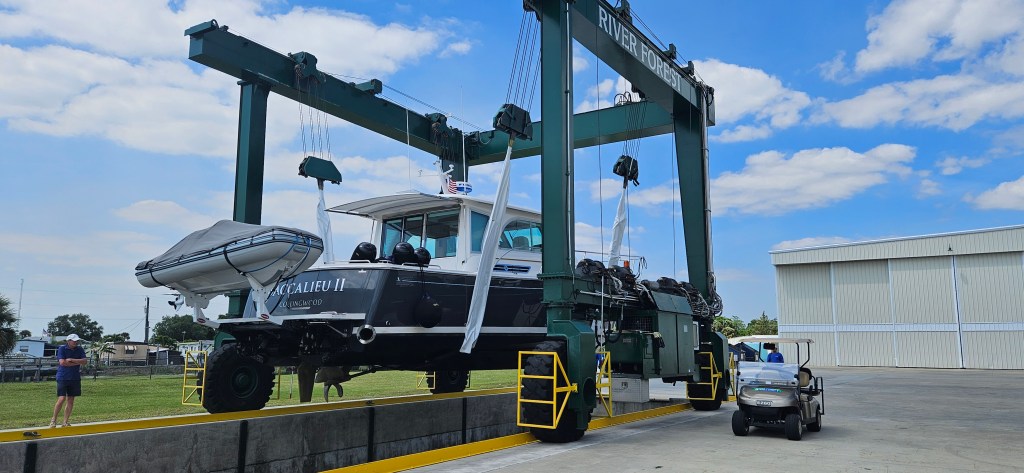


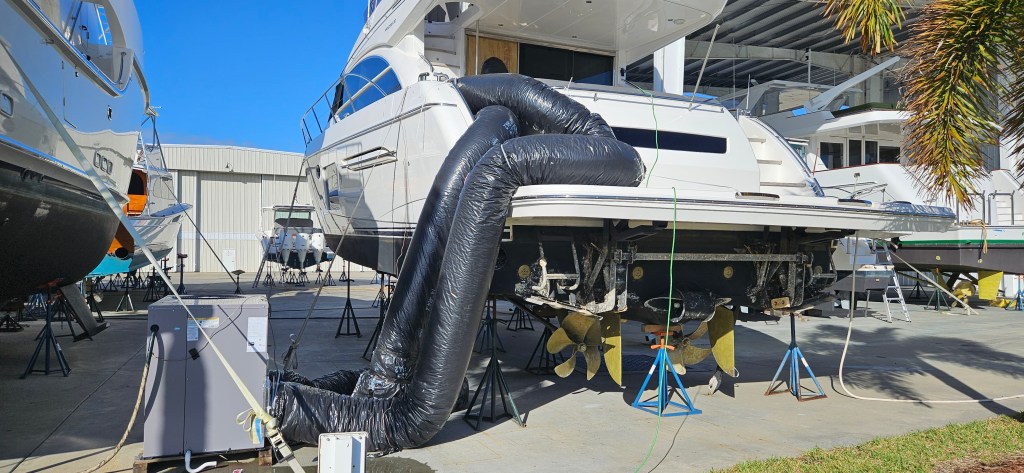
We had never seen outdoor storage accompanied by piped-in air before. Air conditioning keeps the interiors mold free while the boat sits under a hot sun in high humidity climates.
As soon as Baccalieu II was hauled, we flew home for the summer. When we returned the following November, we had time to get to know the area. I have included that information in this post.
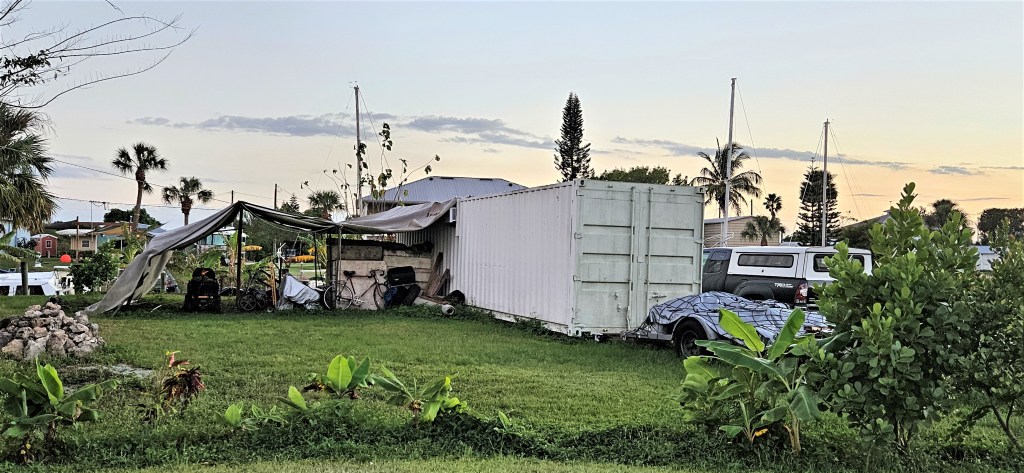
River Forest, located approximately 40 miles/65km NE of Fort Myers, is surrounded by scrubby ‘pastureland’, aggregate industries, and not far away, lies acres of sugarcane.
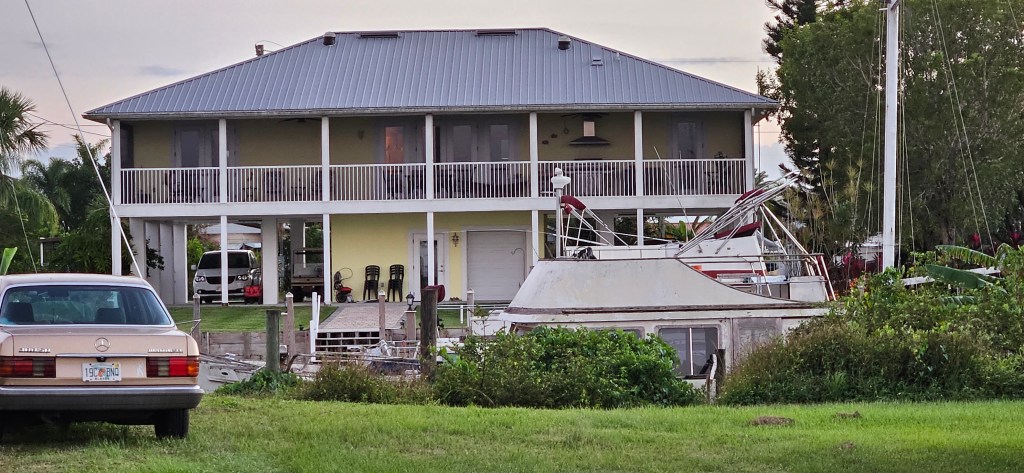

We drove into LaBelle, the nearest town. The town had a Walmart, Winn Dixie, a Latin American grocery store, Ace Hardware and several takeout and eat-in casual restaurants: population is around 5000.



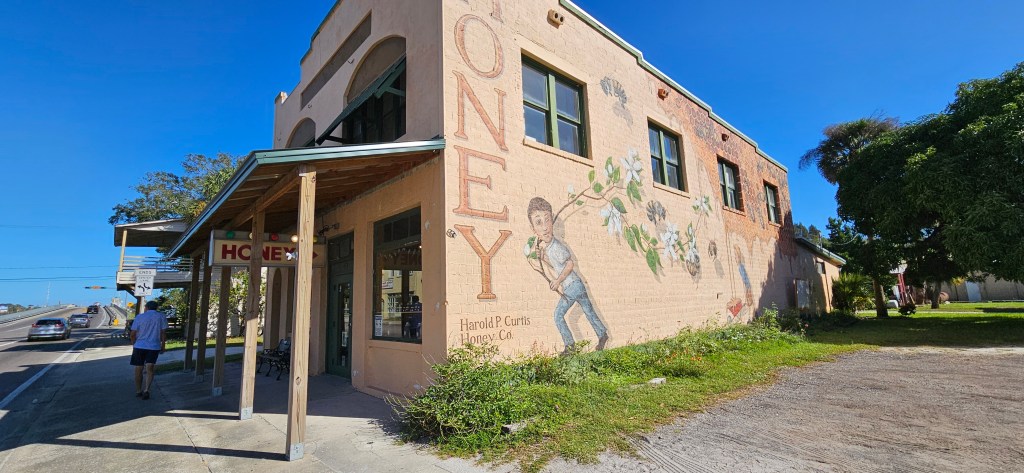
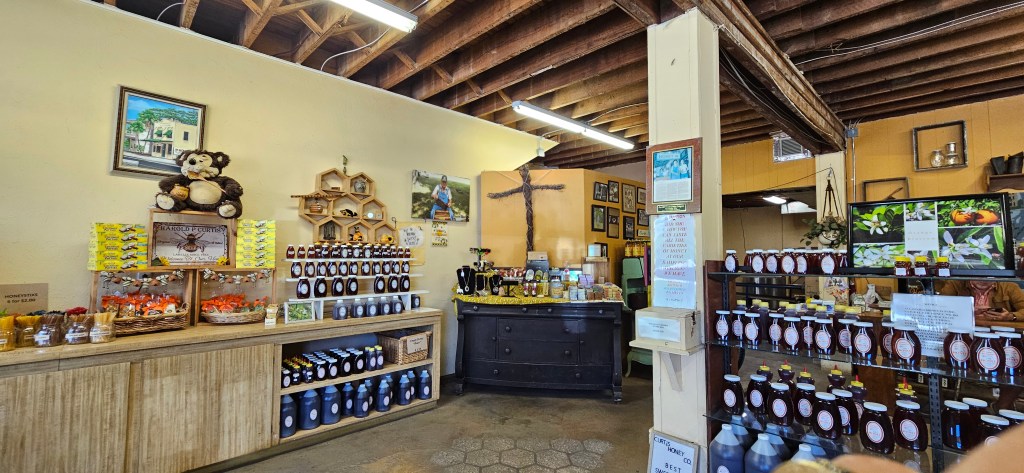
A conversation with the beekeeper: ” I’m often asked how we get different crops of honey. You need flowering plants that produce nectar to make honey, and we move bees to different locations at different times of the year; orange trees bloom in the spring, mangroves in the summer months, wildflower late in the fall.* We don’t make blueberry honey because the orange trees are blooming [at the same time], and you don’t tell honeybees where to go.”
“We used to have Seagrape honey, but we’re out of that now because Hurricane Ian wiped all that out 2 years ago. My father-in-law [ who started the business in mid-1950s], used to take his bees to Sanibel Island on the ferry. We still take our bees to Sanibel for the mangroves but now we have a bridge.”
“Do crop growers hire your bees for pollinating?”
“Crops like squash and blueberries still need beekeepers for pollination, but citrus is self pollinating. There are so many northern beekeepers, like from Michigan and Wisconsin, that bring their bees down here during winter months, because normally you make honey 10 months out of the year. They make deals with the locals to put their bees in their pastureland. I know a guy who had a beekeeper drop 400 hives in his pasture this year. Nothing wrong with that but its sort of unethical too, because their bees might be diseased. Bees do get sick, and they can transfer it to other bees.”
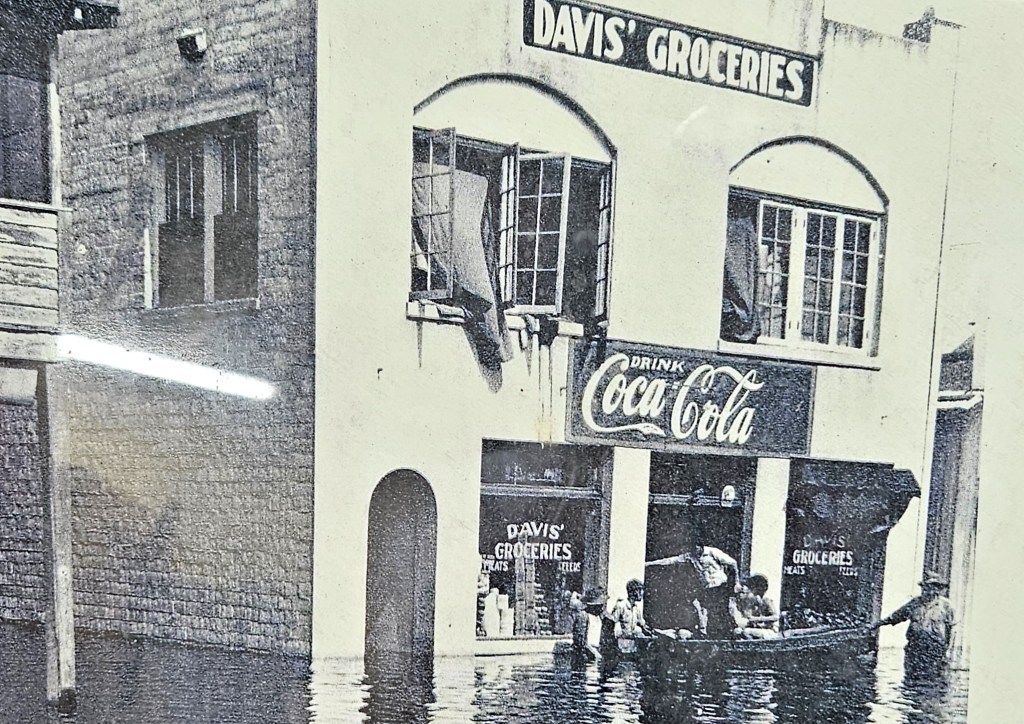
“Bees are having a hard time now because of the world we live in. There are a lot of genetically modified plants that have poison in them to kill bugs that eat them. Bees live on nectar and pollen, and when they bite into a plant that has poison in it, it kills the bee too. A lot of stuff I say is because I’ve been married to a beekeeper for 45 years. My wife’s grandmother, was born and raised in Winnipeg. She came to Moore Haven, (see previous post), for a different climate because she had respiratory problems. It was her family that was into beekeeping out there, and started working for another beekeeper here when they moved to Moor Haven.”

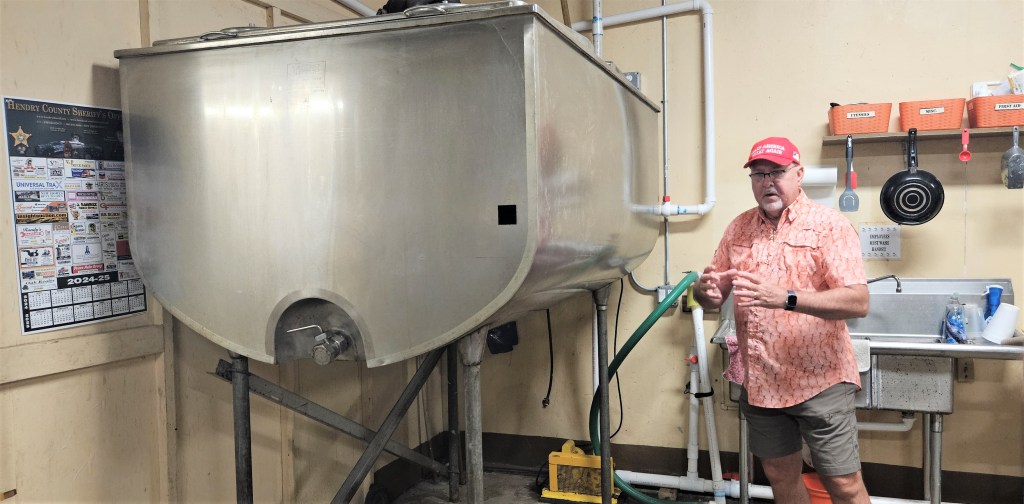
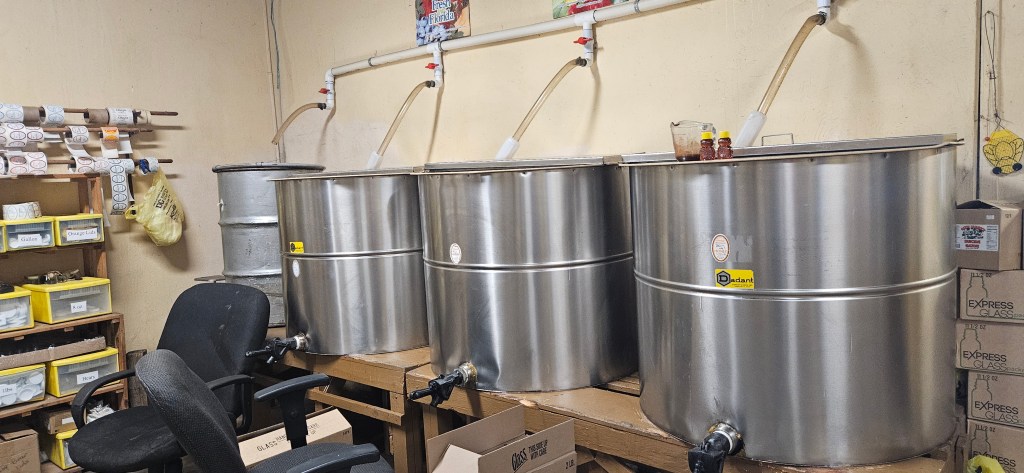
*After bees return to their hives, they pass the nectar to other younger worker bees, which extract and break down the nectar through various enzymatic digestions into simpler compounds, rich mainly in fructose and glucose. This explains the sweet flavour of honey.
At any time, you can revisit earlier blogs by copying: travelingamericasgreatloop.com into your browser, or click here: http://travelingamericasgreatloop.com

 Traveling the Great Loop
Leave a comment