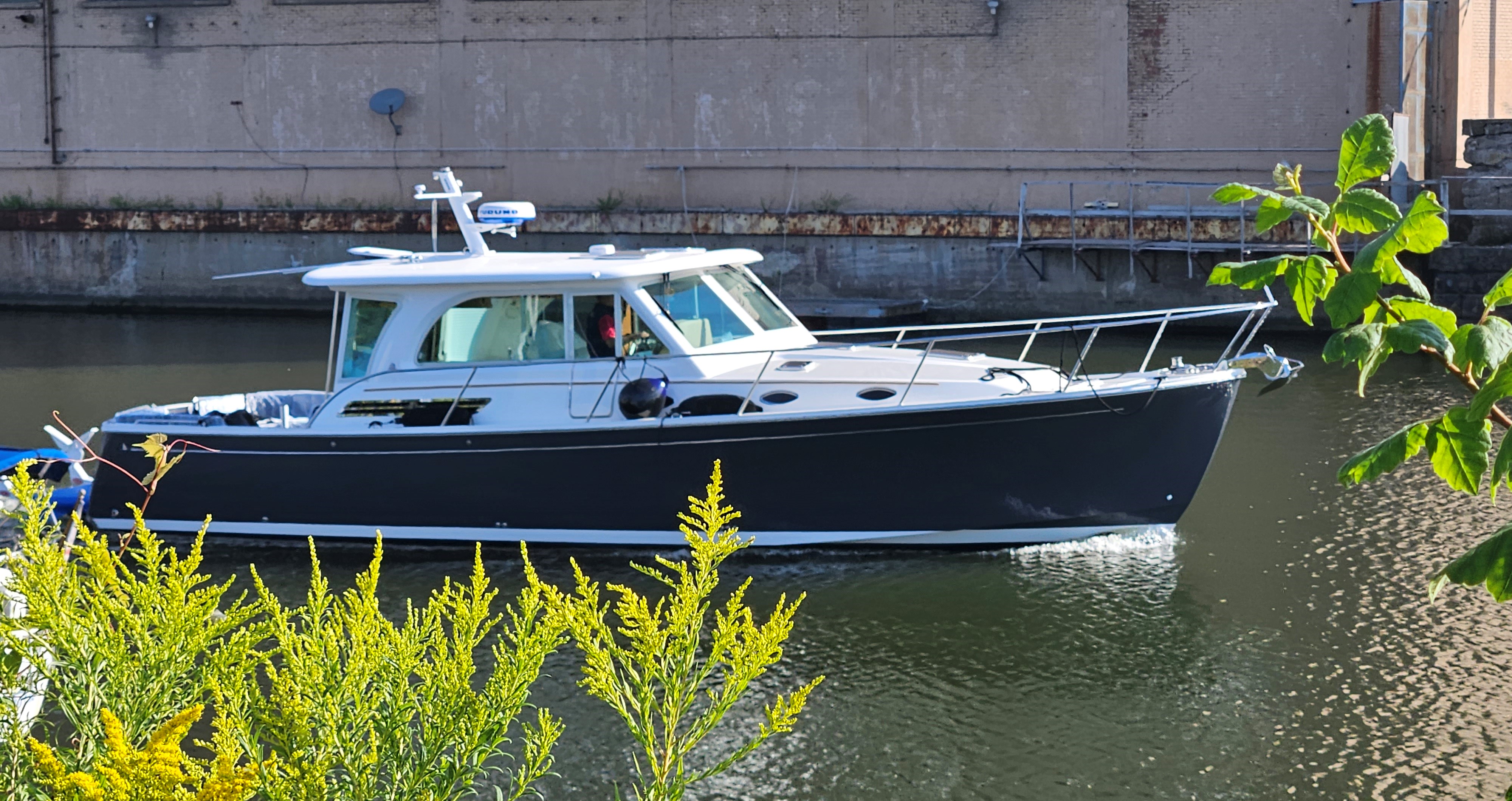
March 13, 2024, Highbourne Cay, Exuma to Lynyard Cay, Abaco: Today’s run: 130 miles
THE ROUTE FROM HIGHBOURNE CAY TO THE ABACOS, requires navigating one pass plus a channel.


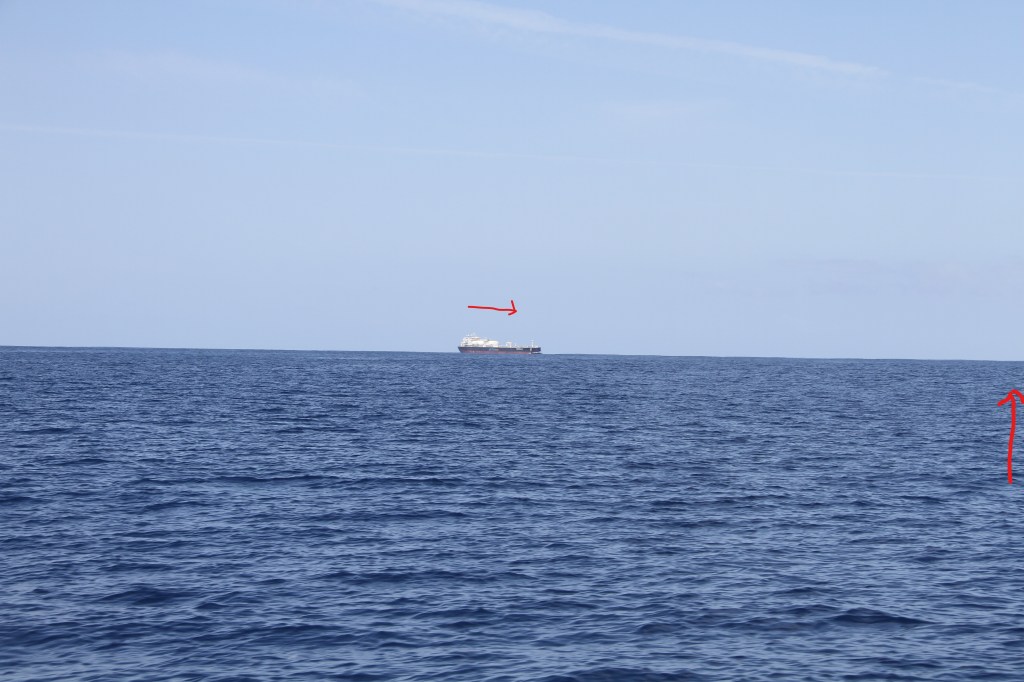
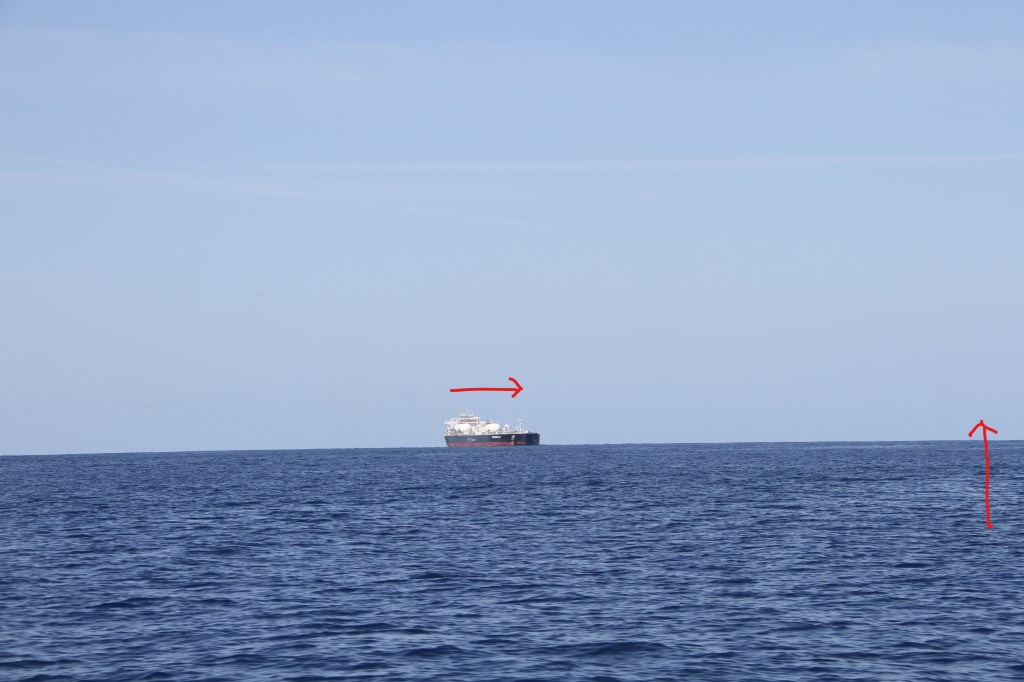
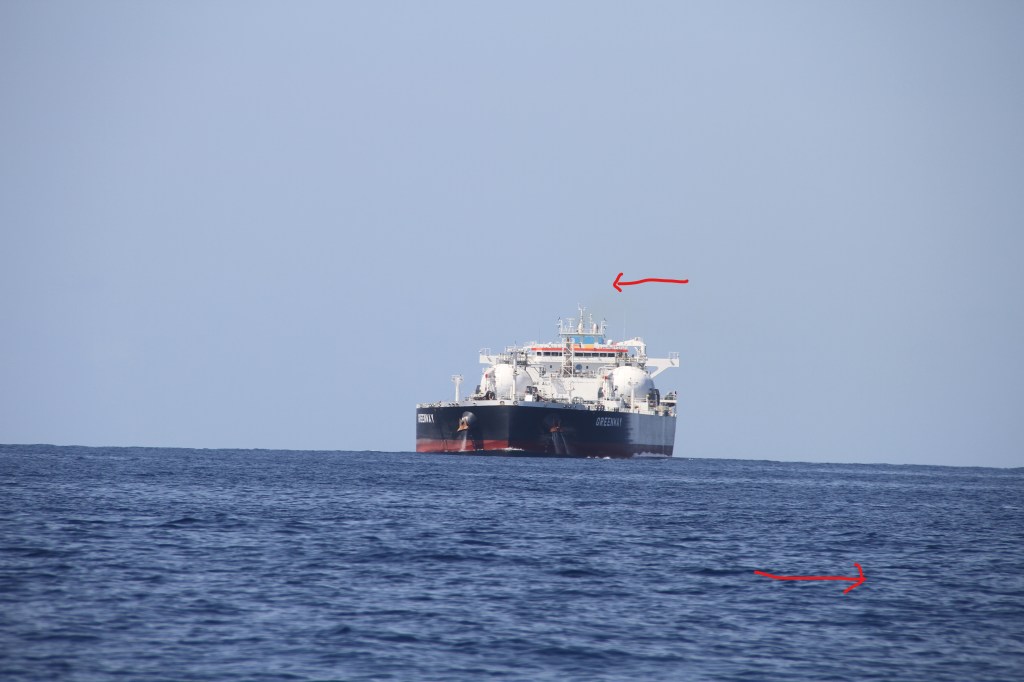
While underway we spot a ship off to port. Below, is one example why AIS, ( Automatic Identification System) is worthwhile installing.


The AIS indicates Greenways SOG, (Speed Over Ground), is 14mph, our SOG is 19-20mph. Greenways COG, (Course Over Ground), is 105.4°. Currently, we are 4.967 Statute Miles (SM) apart. Do we need to change course to avoid a collision? No; the Closet Position of Approach, (CPA – the nearest we will get to each other), will be 1.035 SM.
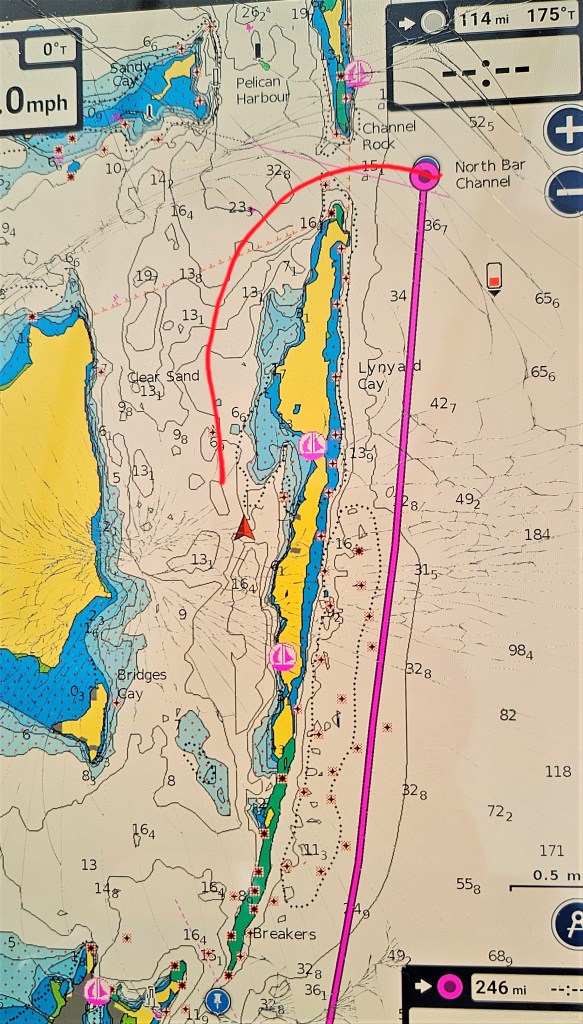
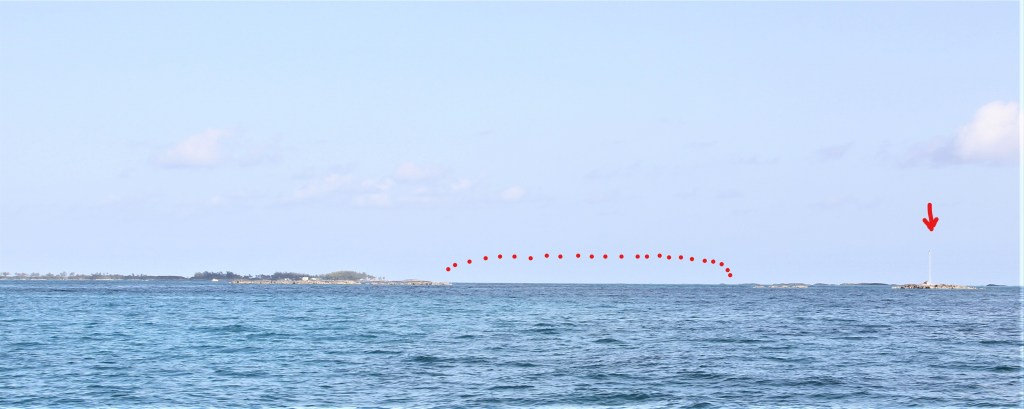
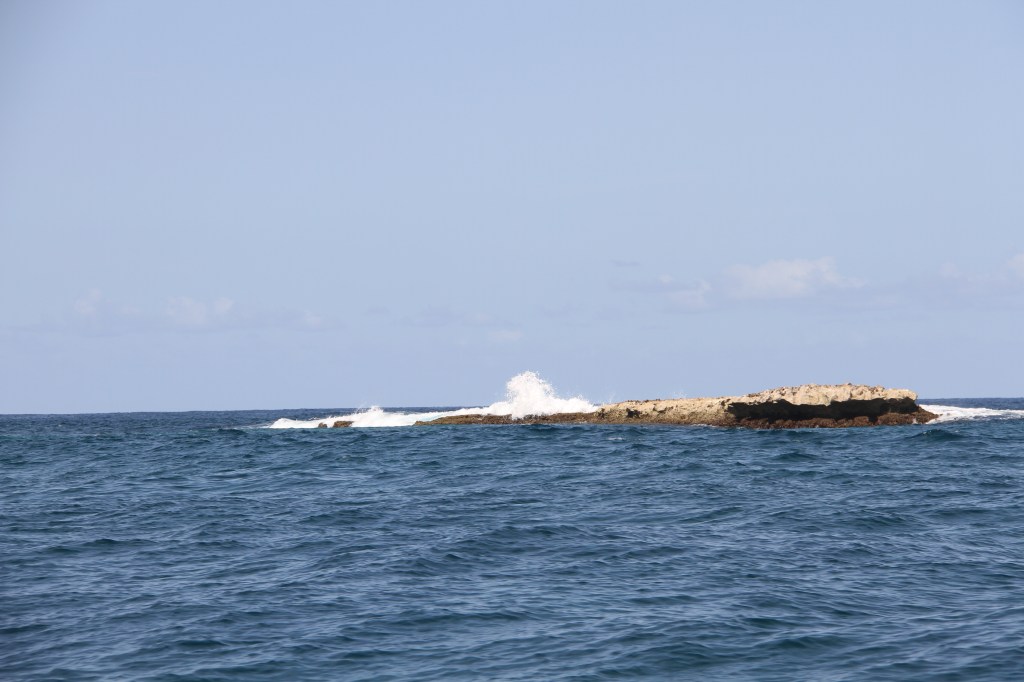
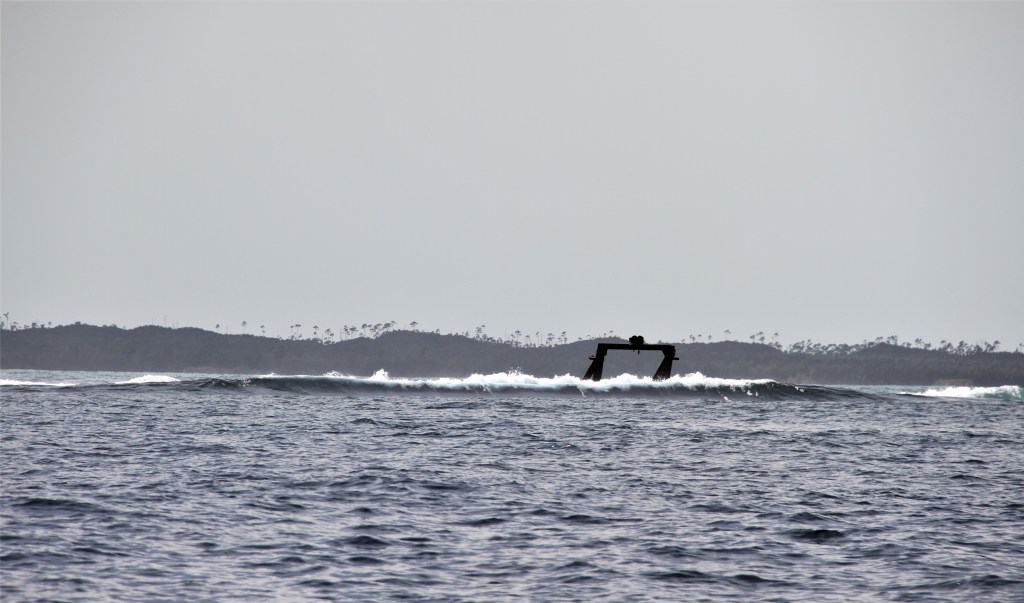
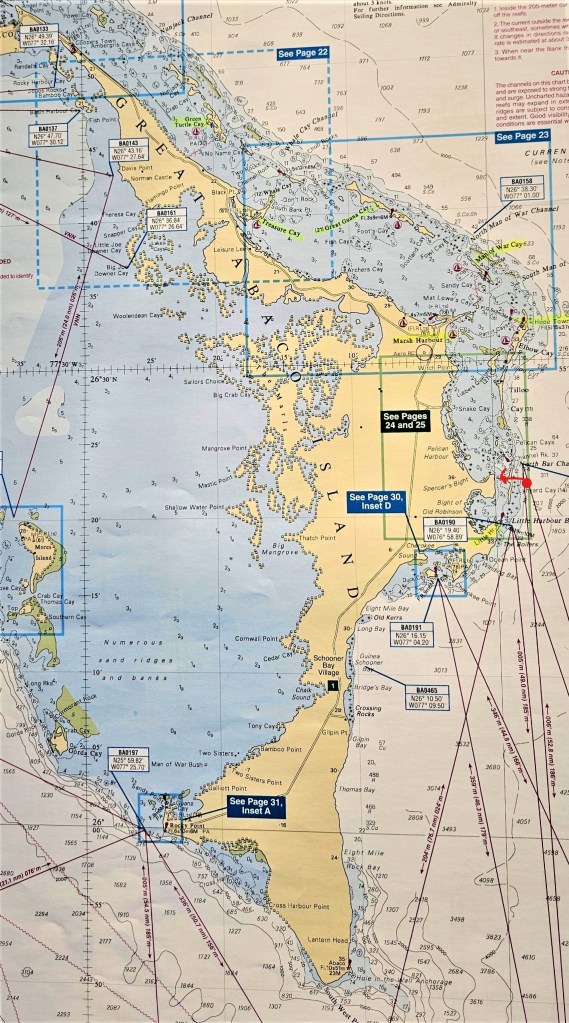
The 130 mile daytrip was our longest continuous run yet. But sea conditions were good: 2-3 foot swells with long periods in-between, resulting in the passage having less motion than some of our shorter runs.
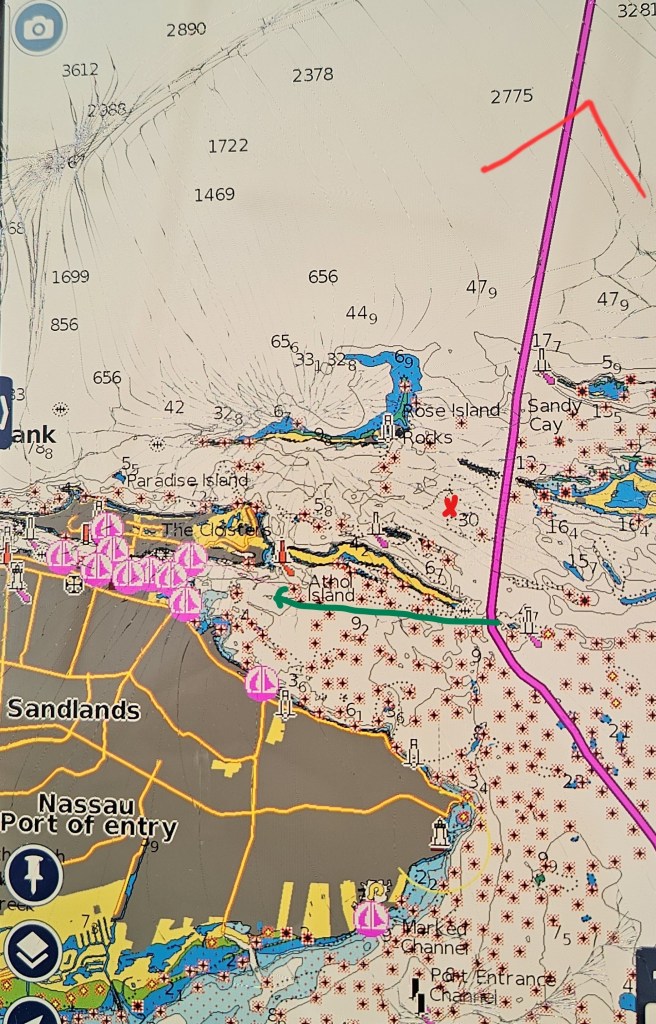
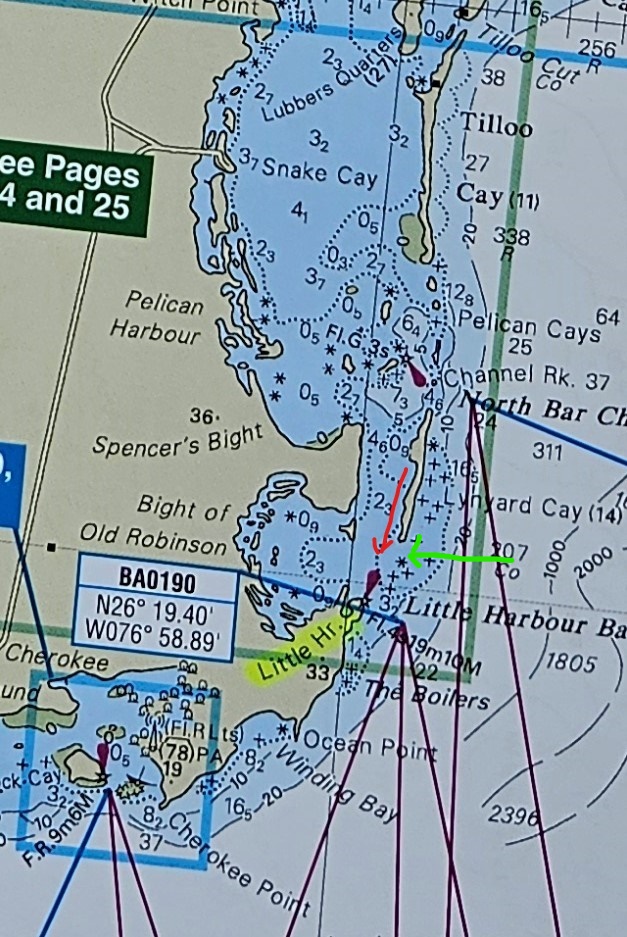
From Lynyard anchorage, we dinghied 2 miles to Little Harbour on Great Abaco Island. (Indicated by the red arrow below.)
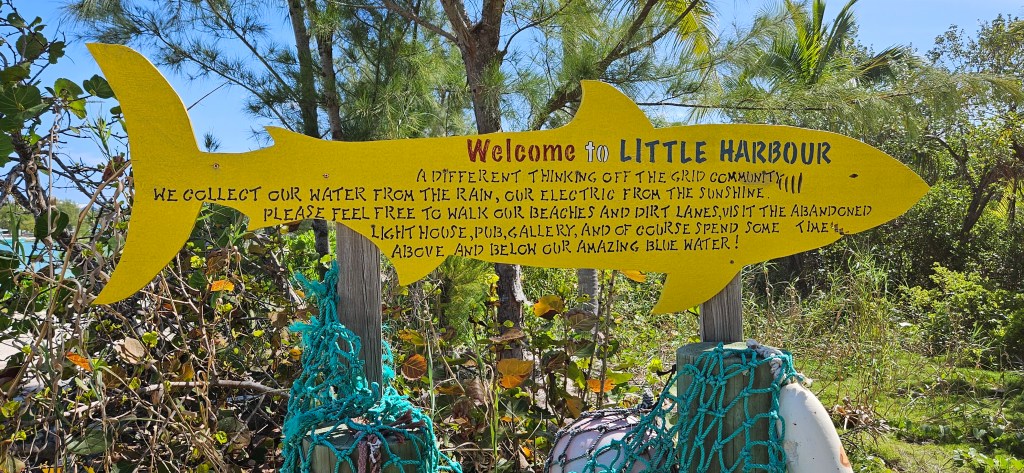
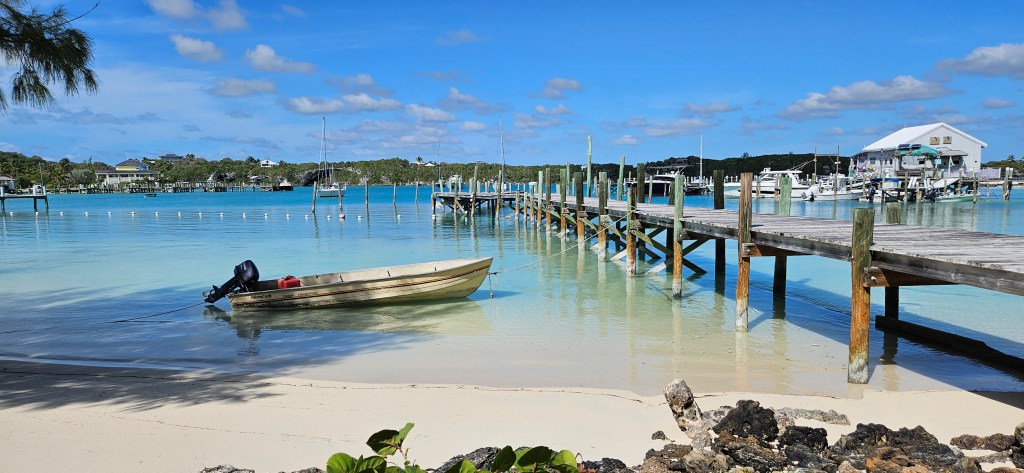
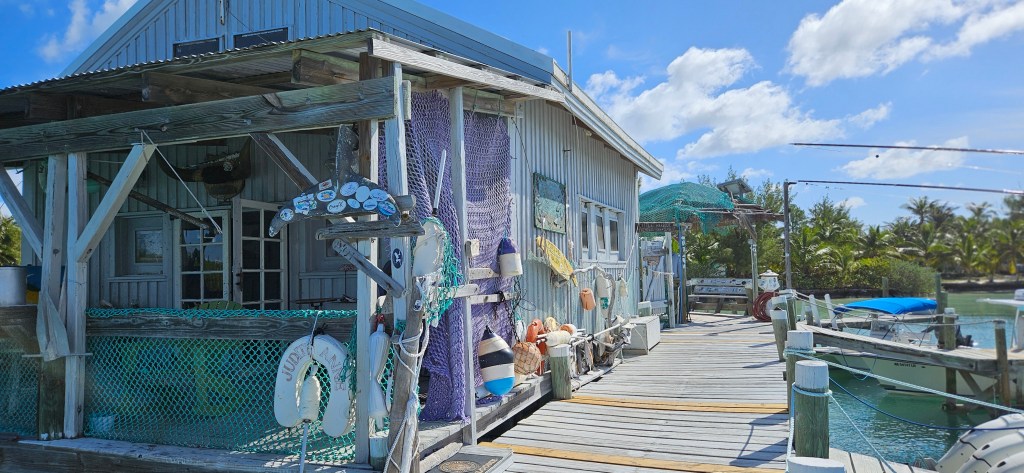

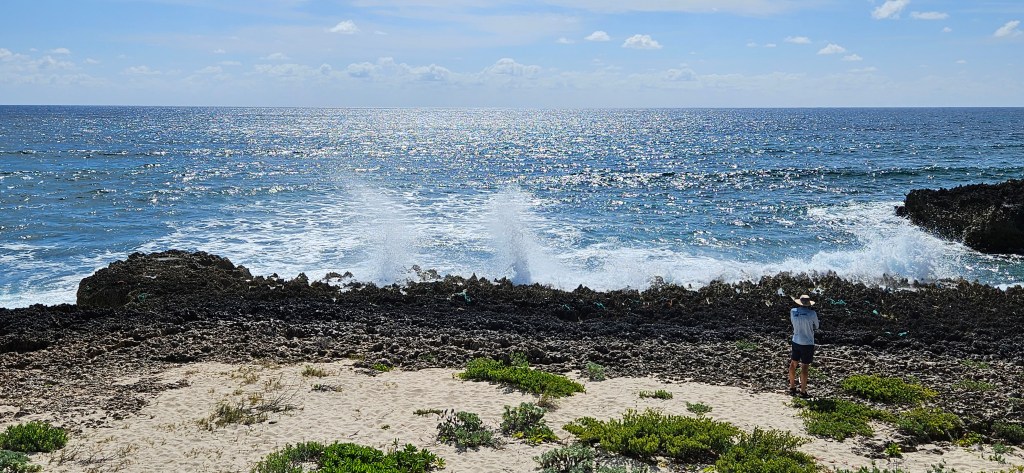
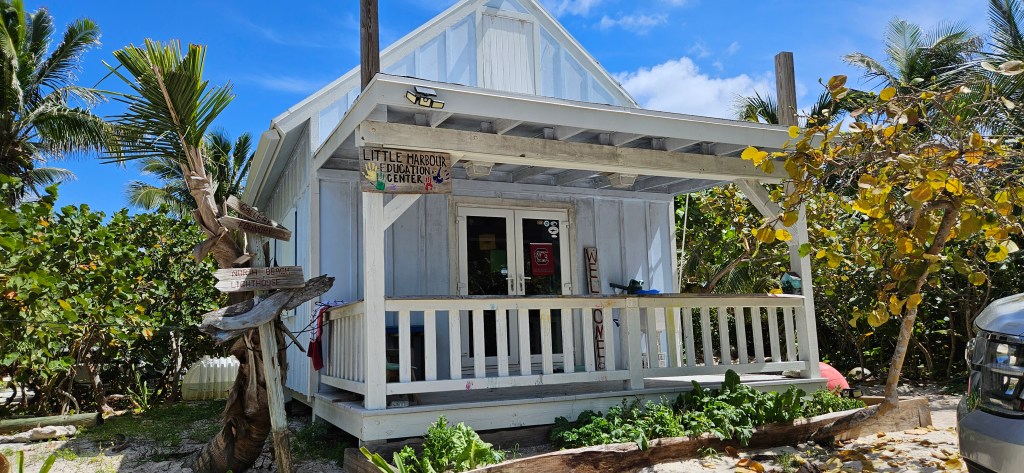
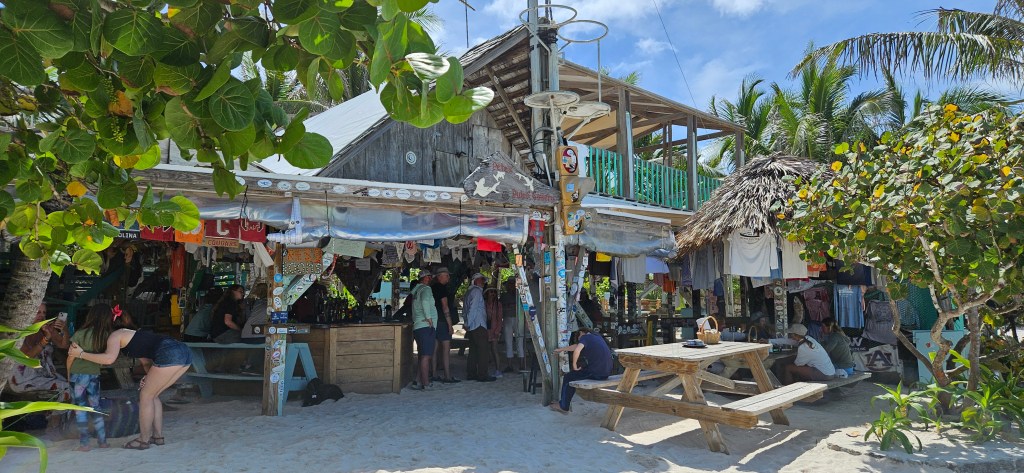
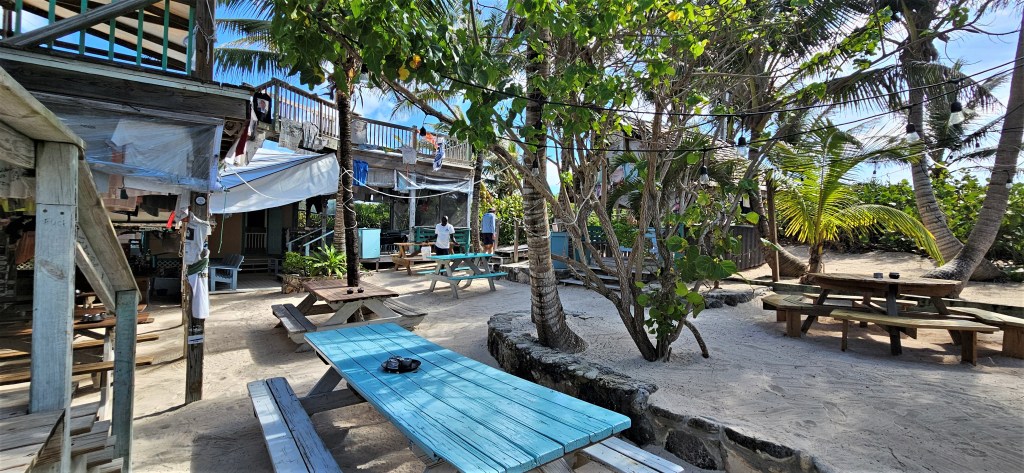
One of the most famous lunch stops in the Bahamas, is Pete’s Place, a sandy floor-beach bar and eatery. (Below).
RANDOLPH JONSTON:
In 1950, Canadian Randolph Johnston, (Ran), Pete’s father, was assistant professor of art at Smith College in Northampton Mass. He left the prestigious position, and everything he had worked for – recognition as a talented artist. His reputation as a sculpturist was just beginning; he had already sold a sculpture to the University of Nebraska. But he was disillusioned with the current world; he thought artists were becoming too materialistic. He dreamed of a place where he could practice his love of bronze sculpting free of outside influences.
Johnston was born in Toronto, and educated at several art school venues: Central Technical School in Toronto, the University of Toronto; Ontario College of Art; School of Arts and Crafts in London, England, (Central St Martins College of Art and Design), and the Royal Canadian Academy. (Mother Earth News1976, ask ART)
His personal life had not been easy; his first wife had died, his second wife, who was a ceramist, contracted polio; they had 3 sons and little money. Selling their house in Massachusetts, they used the cash to buy a sailboat, and sailed it to the Bahamas. Langostas, a schooner, was their home while they looked for a place to settle. Their only income came from captaining tourists on weekends aboard the schooner.
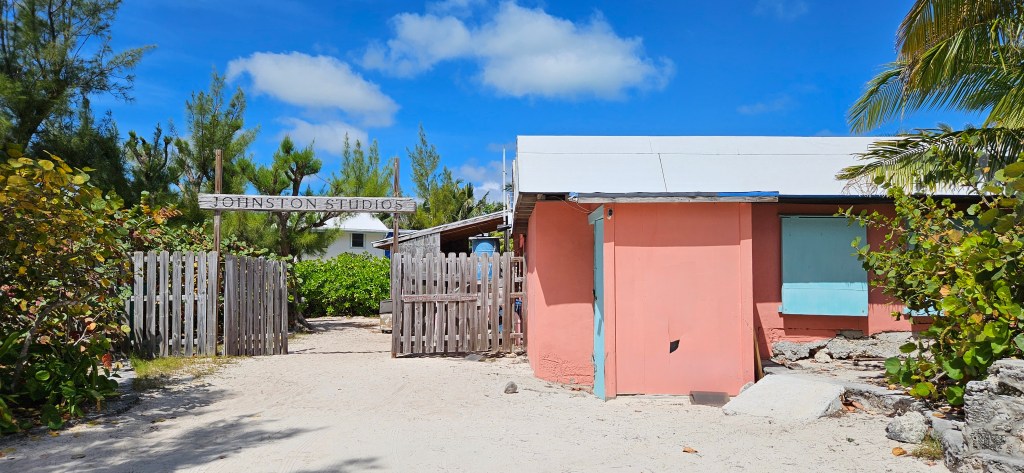
While sailing on the east side of Great Abaco, they discovered an uninhabited, small, natural harbour shaded with coconut palms. Johnston knew this was the tranquility he was seeking. Here, they would be alone other than a lighthouse keeper at the end of the peninsula. They lived in a bat infested, cliffside cave overlooking the western shore, while erecting a thatched hut. In time, Ran constructed a house out of local stone near the harbour. They scavenged for food: fish, coconuts and bananas. Many times, they went hungry. They named the harbour Little Harbour.
Time passed while Johnston collected what he needed to build a foundry, and then a studio; he sourced materials needed to produce bronze sculptures. He was one of the few artists in the world using the ancient Lost Wax Method, (from model to finished bronze).

THE ART
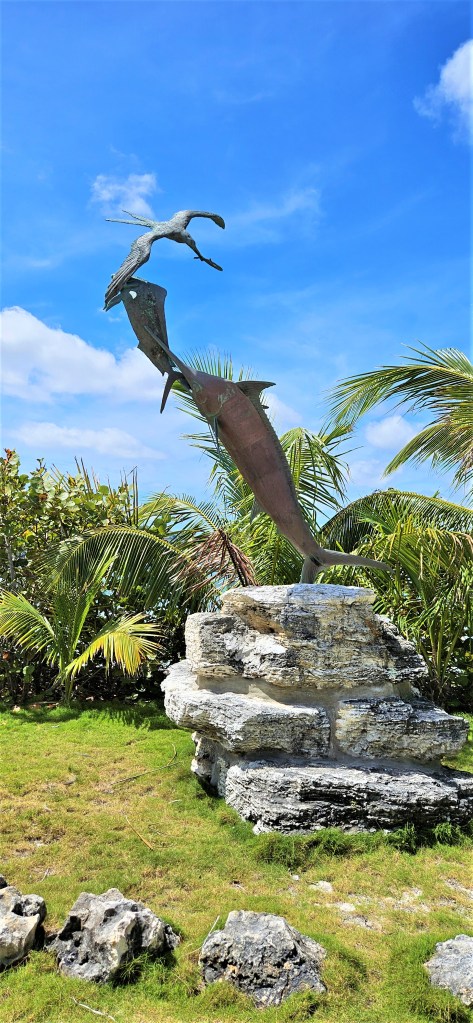

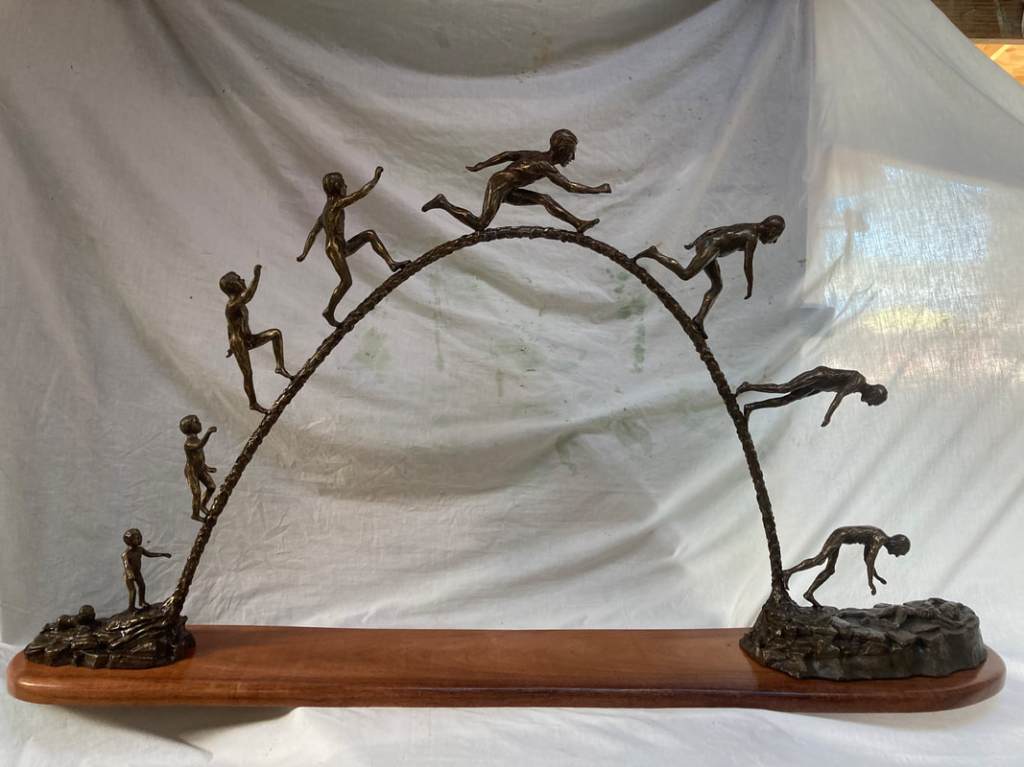
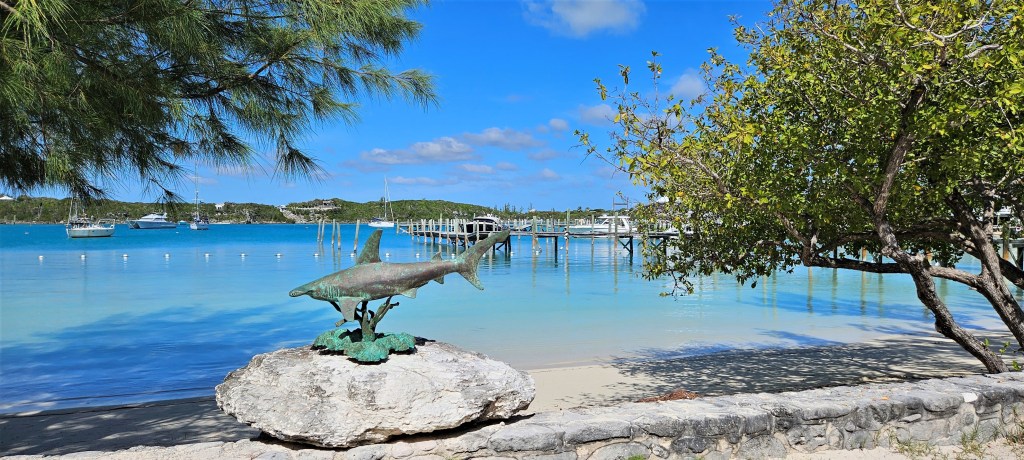

A sculpture titled St Peter: Fisher of Men, sits in the Vatican Museum in Rome.
Randolph Johnston died in 1992; his son Peter (Pete), an artist in his own right, continues to run the business creating detailed animal and human figures using the same 5000-year-old technique.
The original Pete’s restaurant (1968), had been constructed from the pilot house of the family sailboat – Langosta. There was no road connecting Little Harbour with the outside world until sometime in the ’90s, at which time Hurricane Floyd, (1999), destroyed nearly all their possessions, the foundry, studio and Pete’s Place. ( Nothing had been insured.)
Today, a community of approximately 50 artists and other professionals live there.
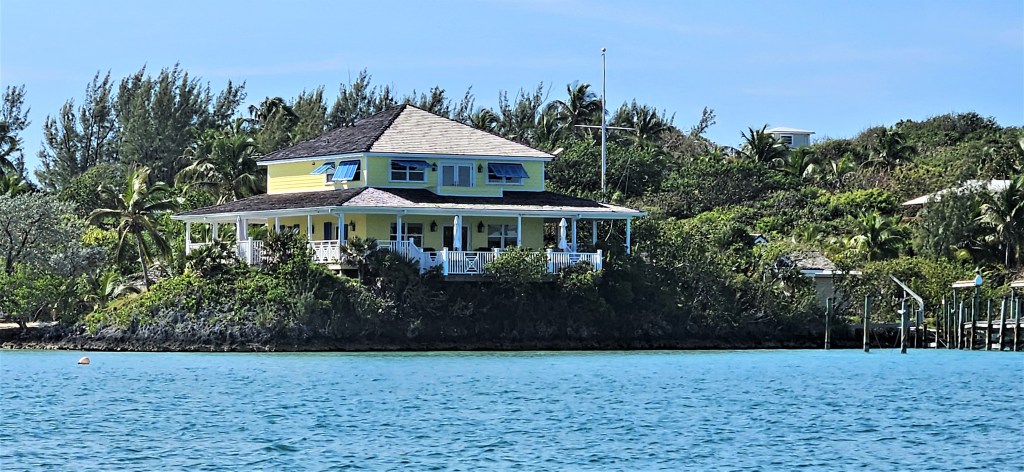
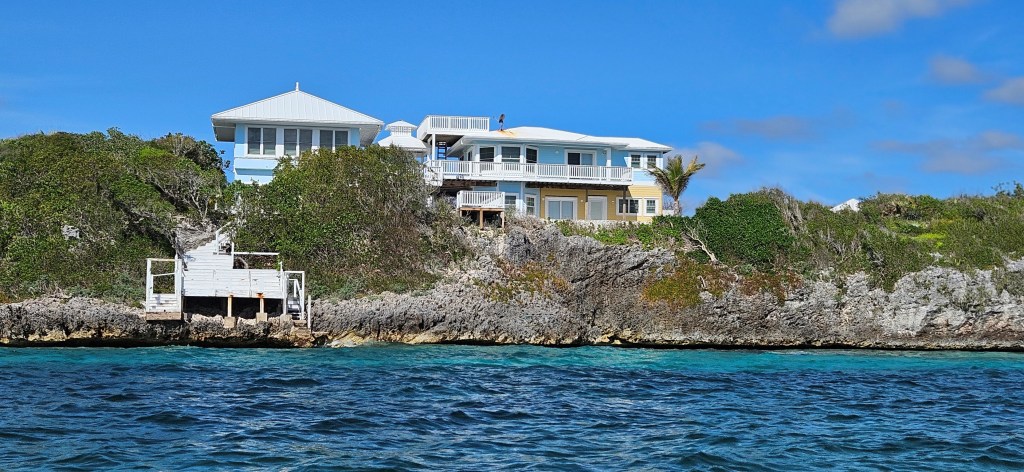
To learn more about Little Harbour and the 12-step sculpting technique using the Lost Wax technique, click here: https://www.abacoescape.com/Caves/LittleHarbour.html
To watch a 3-minute video tour of the foundry, (you will get a glimpse of Little Harbour), click here: https://www.bahamas.com/experiences/johnston-art-foundry-abacos

 Traveling the Great Loop
Leave a comment