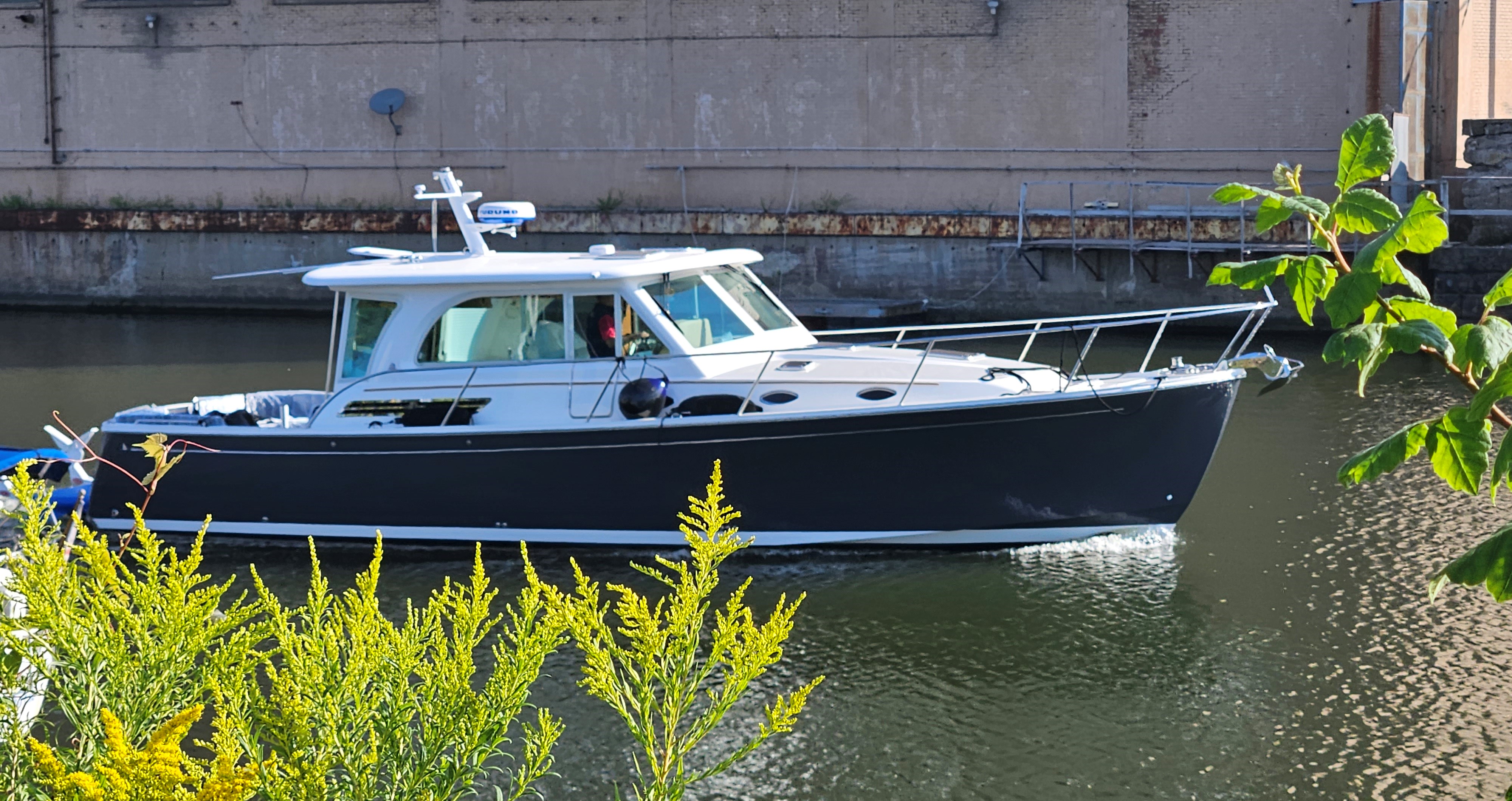
March 15, 2024; Highbourne Cay to Elbow Cay; Todays Run: 15 miles
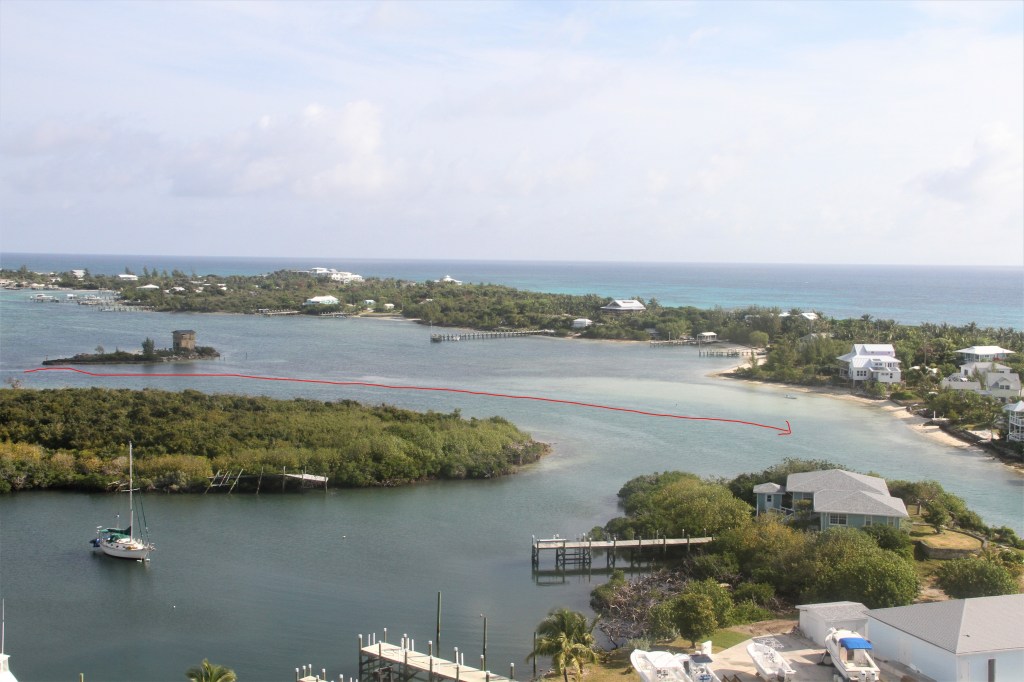
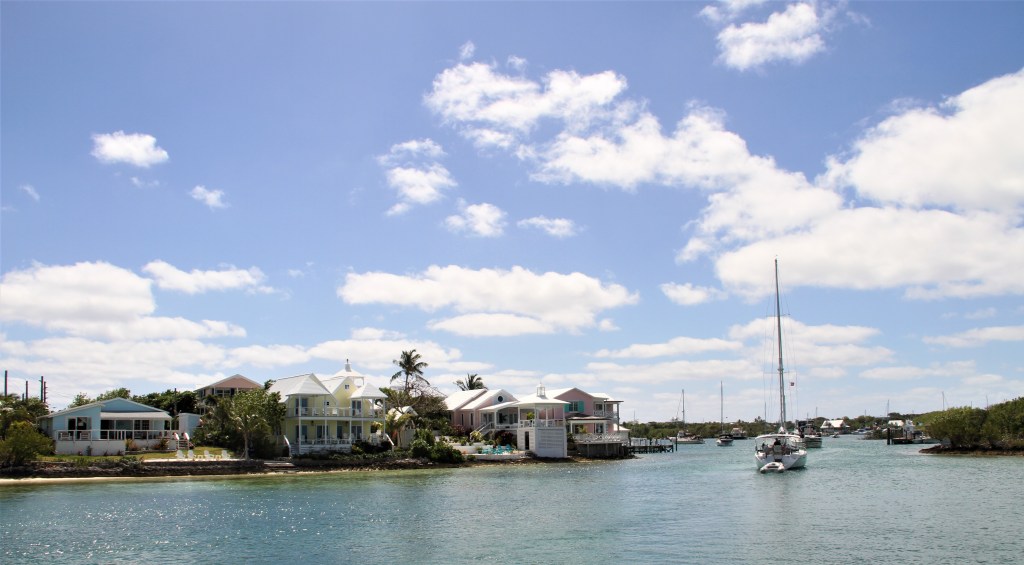

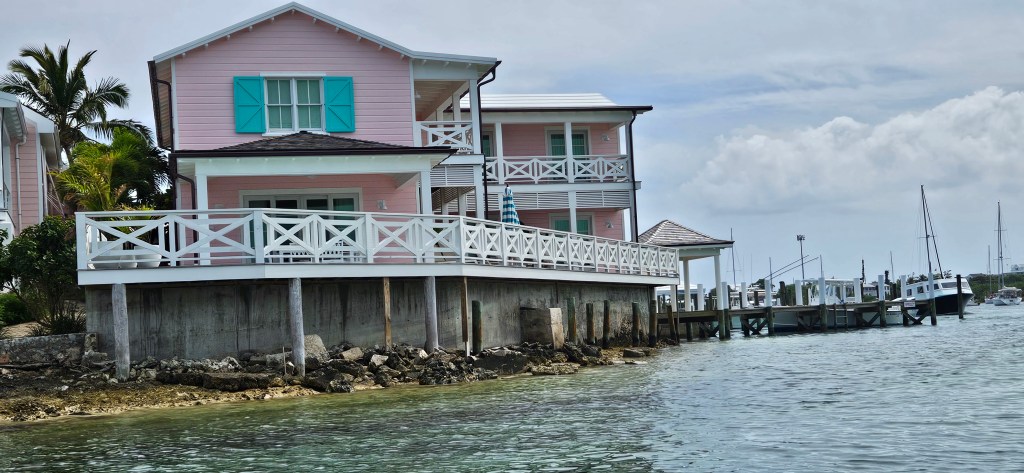
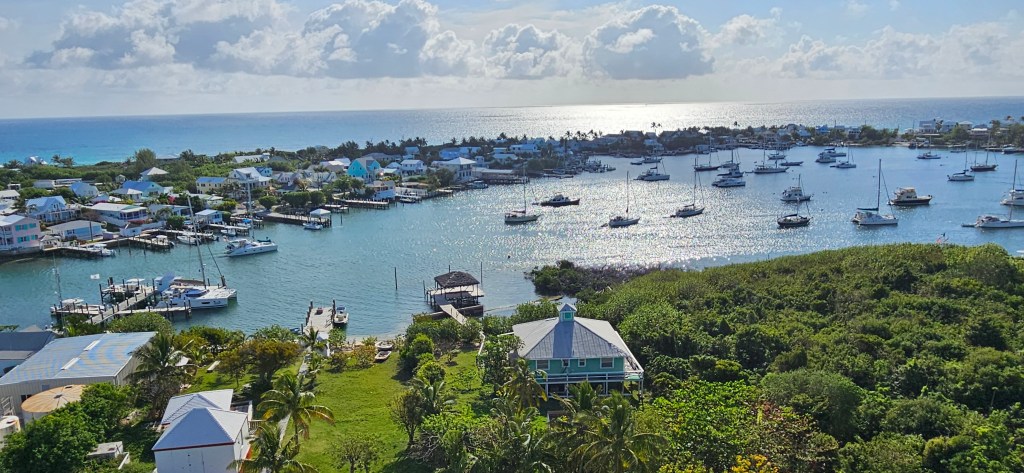


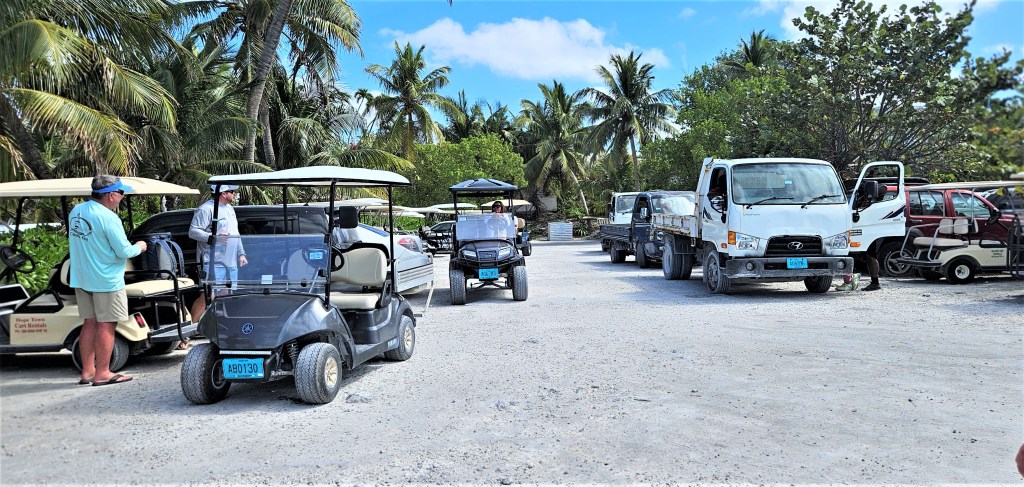
Trucks take up most of the narrow streets when delivering drinking water to residents. Speed limit is 5mph.

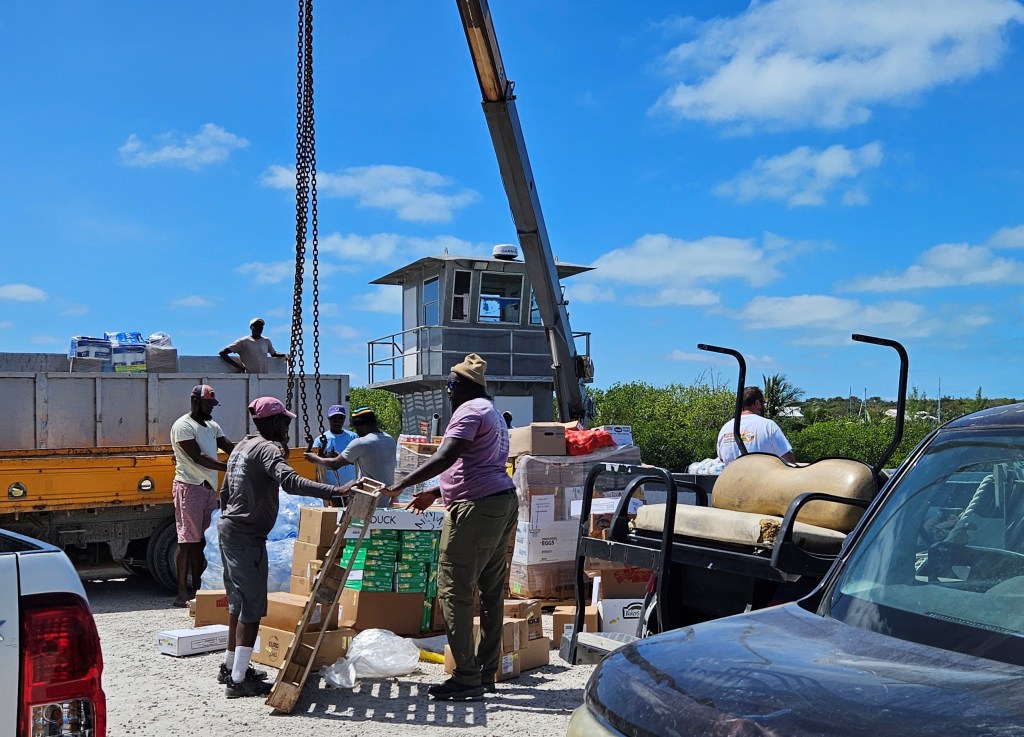
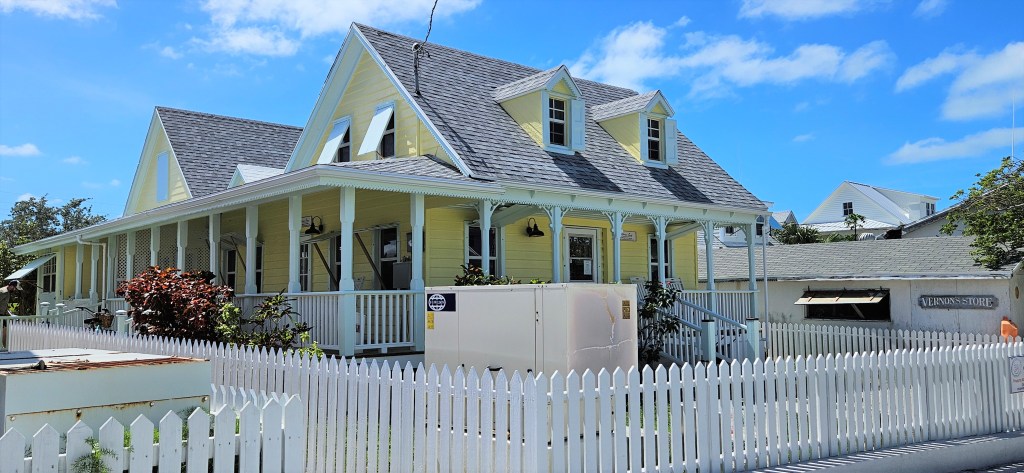
THE TOWN
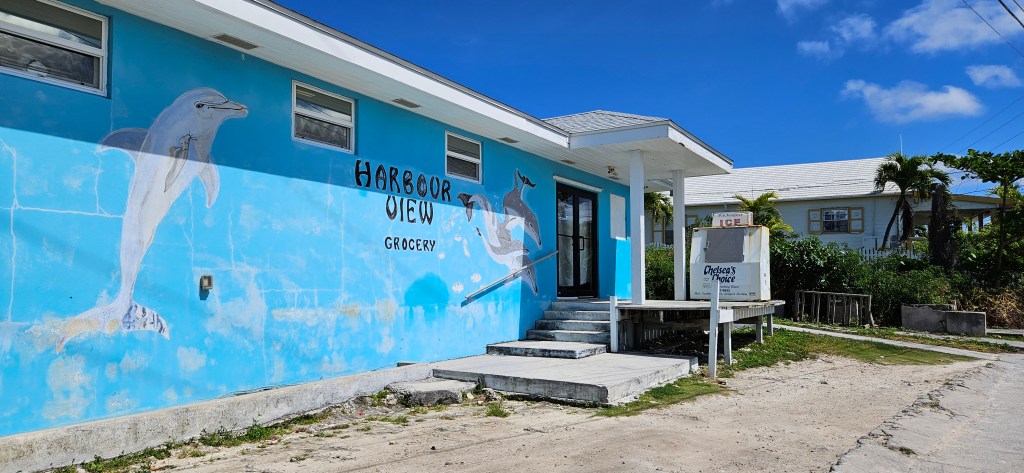
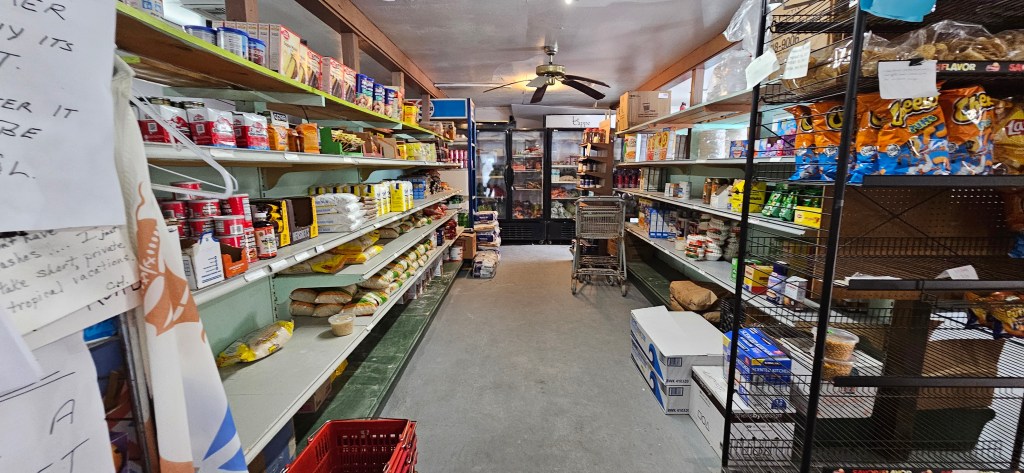
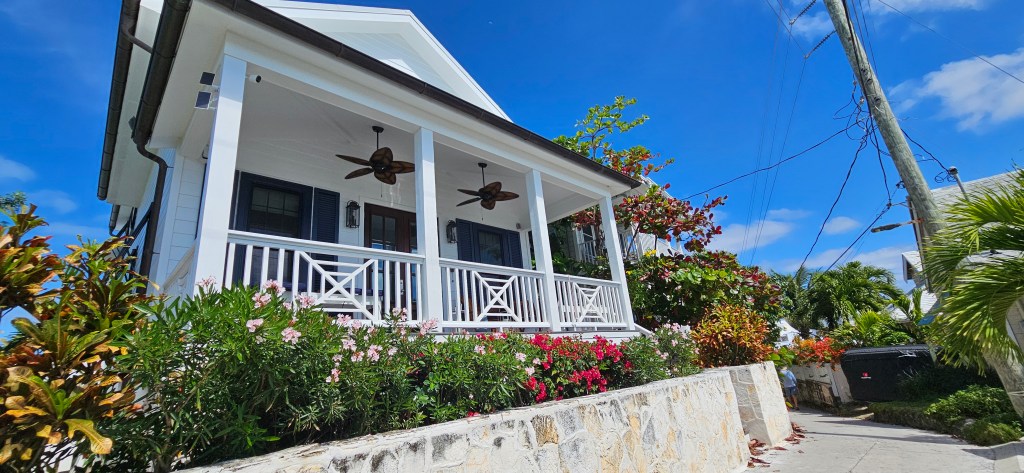
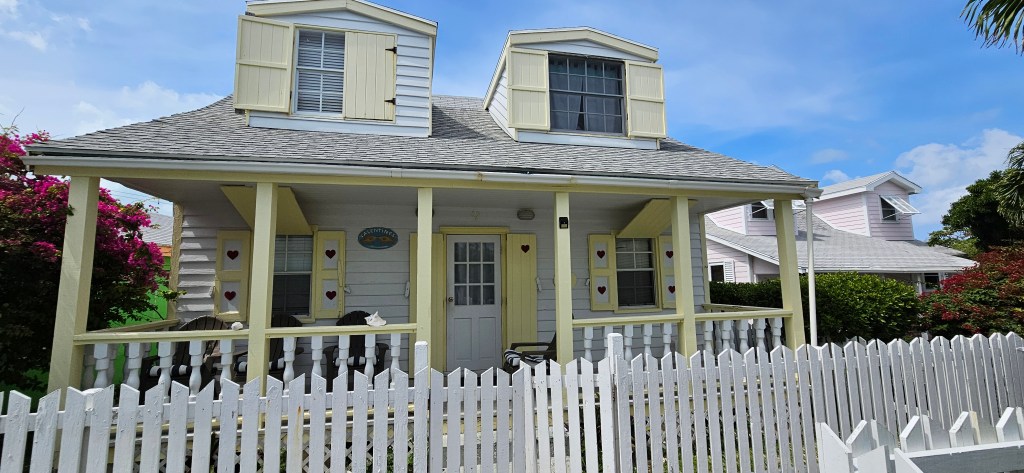
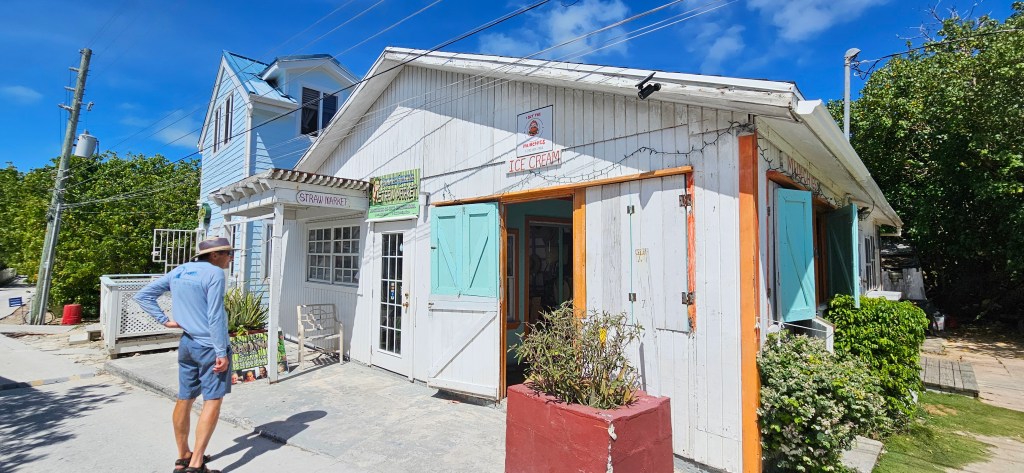
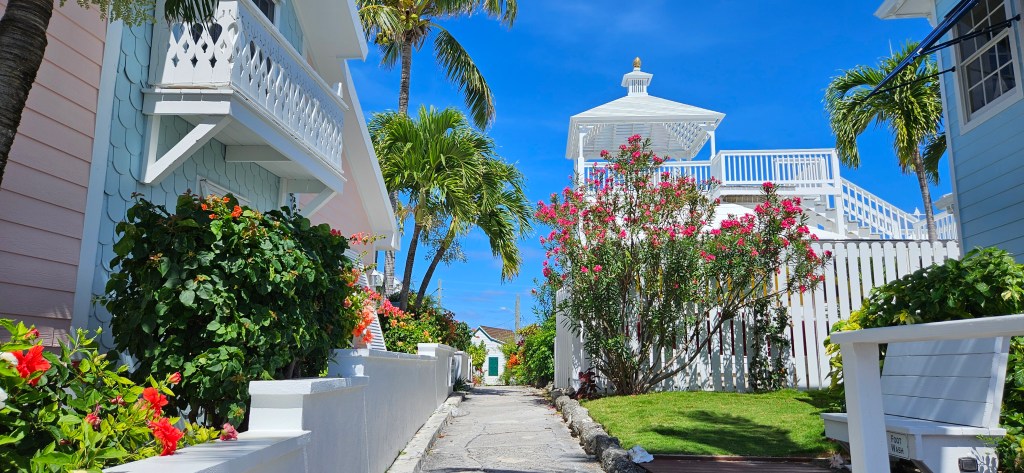
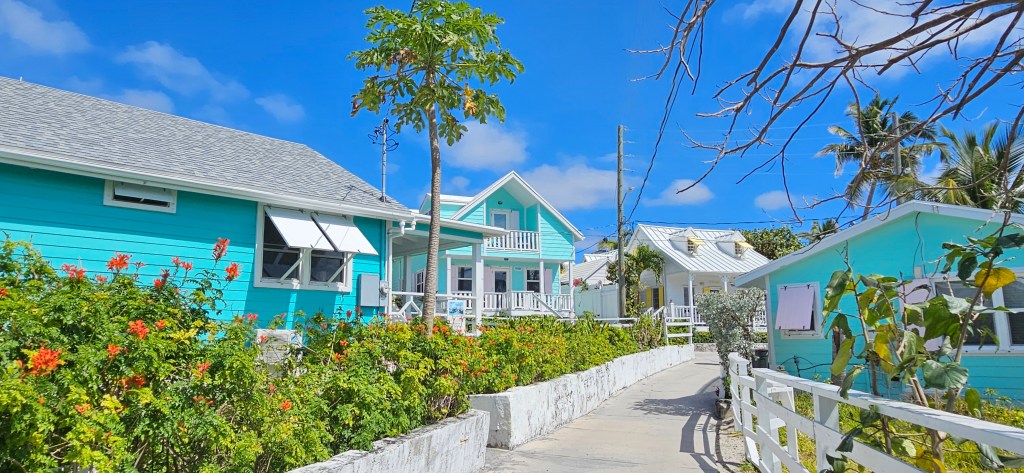

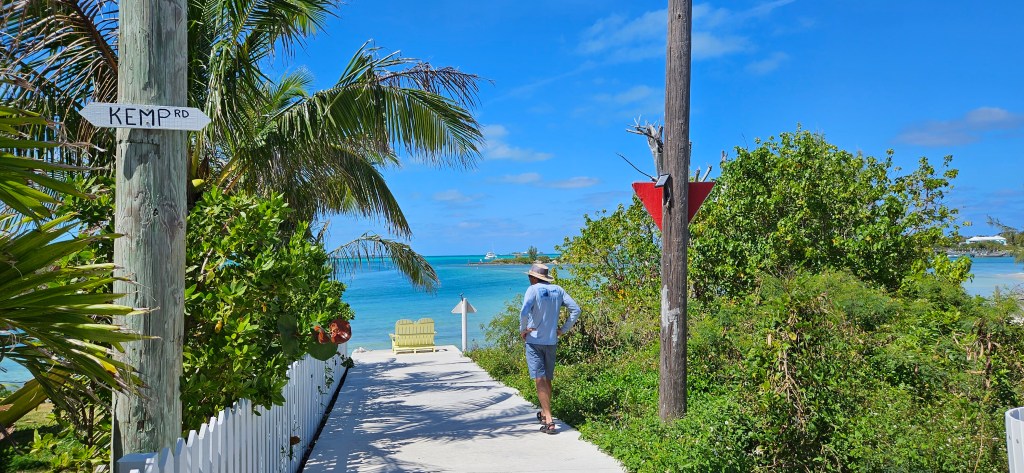
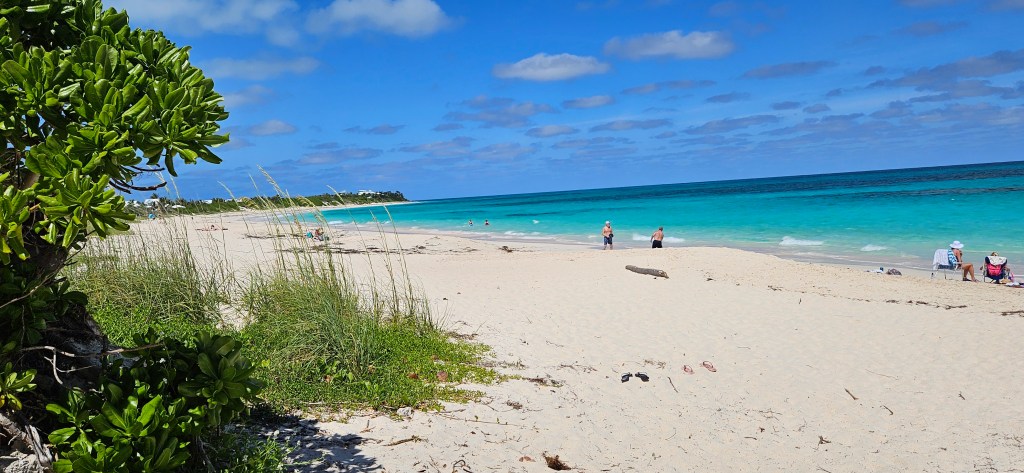


Loyalist soldiers, escaping the outcome of the American Revolution, brought their families here after King George III offered free acreage to those who settled the area. Each settler was to receive 200 acres of free land.
Arriving in 1785, the newcomers were at the mercy of what they could harvest from the sea and grow, but the soil was shallow and the land rocky. Receiving only a limited supply of fresh water, crop growing struggled.
The main supplier of wood, provisions, oil, metals and other goods, came from ships that ran aground on a nearby, unmarked reef. In 1860, when the British Imperial Lighthouse Service announced their plan to mark the reef, consequently putting an end to the town’s wrecking* trade, the locals showed their displeasure by sinking a barge carrying materials for the new lighthouse. In due time, the lighthouse was constructed and a local ship building industry developed turning out up to 3 schooners per year. Between 1840 -1921, Hope Town was homeport to over 200 tall ships.
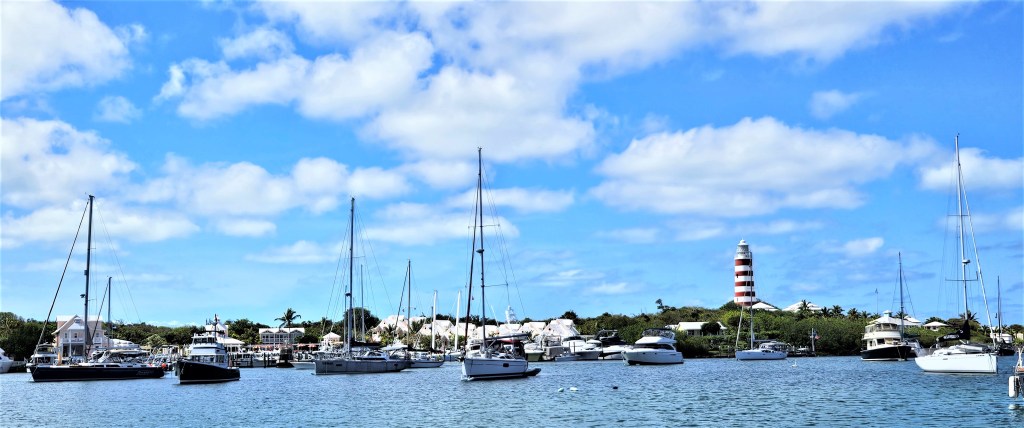


The lighthouse keeper climbs 101 stairs to light the kerosene-fueled burner by hand.
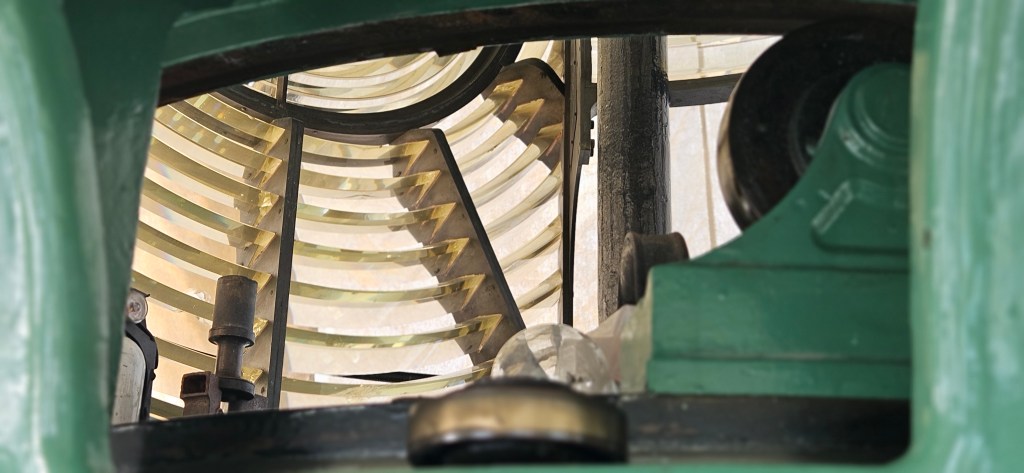
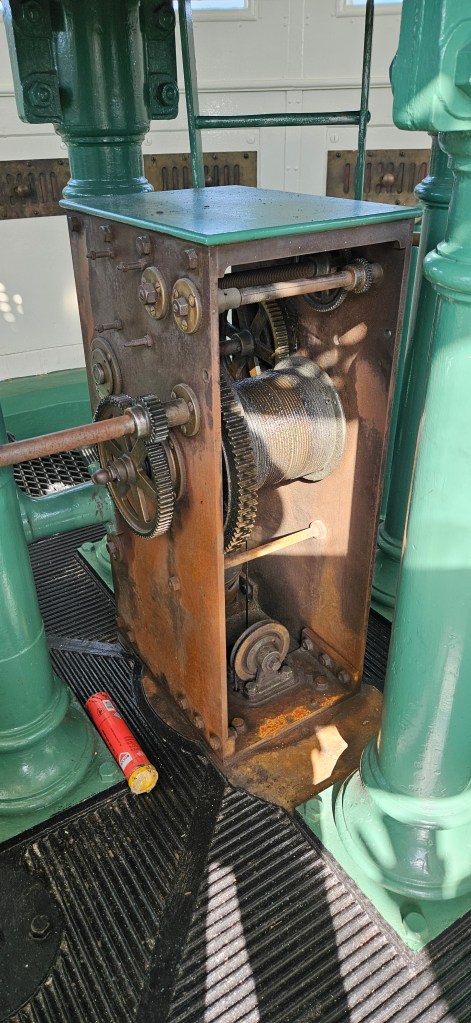


There was no information how the light actually works, but in 2008, while sailing in Australian waters, we stopped at the Low Isles, located off Australia’s Queensland coast. On one of those islets stood a decommissioned lighthouse built 15 years earlier than the Elbow Cay lighthouse. The workings of it is similar but not exact. The following is an excerpt from Yes, The World is Round, Part II, explaining the manual operation of a kerosene- fueled Fresnel lens and the responsibilities of a lighthouse keeper.
The lighthouse had originally been fitted with two large iron cylinders that needed pressurizing. This required the lighthouse keeper to pump air into a lower tank at an hourly rate to pressurize a kerosene cylinder. The kerosene was then forced into the lamp, located in the upper lantern room where the vaporized kerosene ignited, and illuminated the lamp. It’s hard to believe that a small flame from vaporized oil could warn ships of danger several miles out to sea, but it did. The flame was refracted through a giant set of glass prisms (Fresnel lens*) that bent the light into a beam so intense it could be seen thirty miles away.
The lantern room was accessed by a narrow, iron staircase spiraling between whitewashed walls. A revolving optic, ran by use of a timepiece incorporating weights dangling vertically through the spiral staircase. The clock could run for a period of two hours, but it was often rewound by the lighthouse keeper each hour.
Keeper’s duties included keeping a detailed log of supplies, passing ships, and at what time the light was lit and extinguished. Their responsibilities included keeping the lighthouse and property in good repair. When fog blanketed the sea, it was necessary to ring a manual fog bell, sometimes every fifteen seconds, depending on the location of the lighthouse. Noting the designated pattern of rings, ships could confirm their location
**Fresnel: a multi-prism glass lens first made by Augustin Fresnel in France in the 1820s was a great leap forward in lighthouse technology. Before his invention, lighthouse keepers tended multiple oil lamps. It was messy, expensive and the light wasn’t very bright. ( Colin Hackly, Visit Florida)
We often think of lighthouse keepers being men. But the United States Coast Guard lists 74 female lighthouse keepers between the years 1817 and 1929. (The first lighthouse to be built in the U.S. was in Boston in 1716). In Canada, 30 females were registered lighthouse keepers. During a time when hiring females for any type of job was unusual, wives, sisters and daughters often took-over lightkeepers duties when their husbands fell ill or passed away. Each woman needed to apply for the job, and if approved, were among the few who could support their families after the death of a husband. If interested in reading descriptives on featured women lighthouse keepers, click here: https://sanctuaries.noaa.gov/news/may23/beacons-of-history.html
Elizabeth Whitney Williams, a former lighthouse keeper (1872-1913) wrote her memoirs in a book titled, A Child of the Sea, and Life Among the Mormons (1905). The book begins after Elizabeth’s husband, a lightkeeper, died while rowing his boat to a sinking ship in hopes of saving lives. The Library of Congress has made the book available for free digital reading: click here: https://www.gutenberg.org/files/34769/34769-h/34769-h.htm
To read The Lighthouse Keeper’s Wife, a short but riveting narrative told by Lynne Wolfe, a lightkeeper herself on West Ironbound Island, click here. I think you will enjoy it. https://www.saltscapes.com/roots-folks/1881-the-lightkeeper-s-wife.html
*Wrecking: to read an interesting article about wrecking, click here: https://www.grandbahamamuseum.org/new-to-the-museum/wrecking-in-the-bahamas

 Traveling the Great Loop
Leave a comment