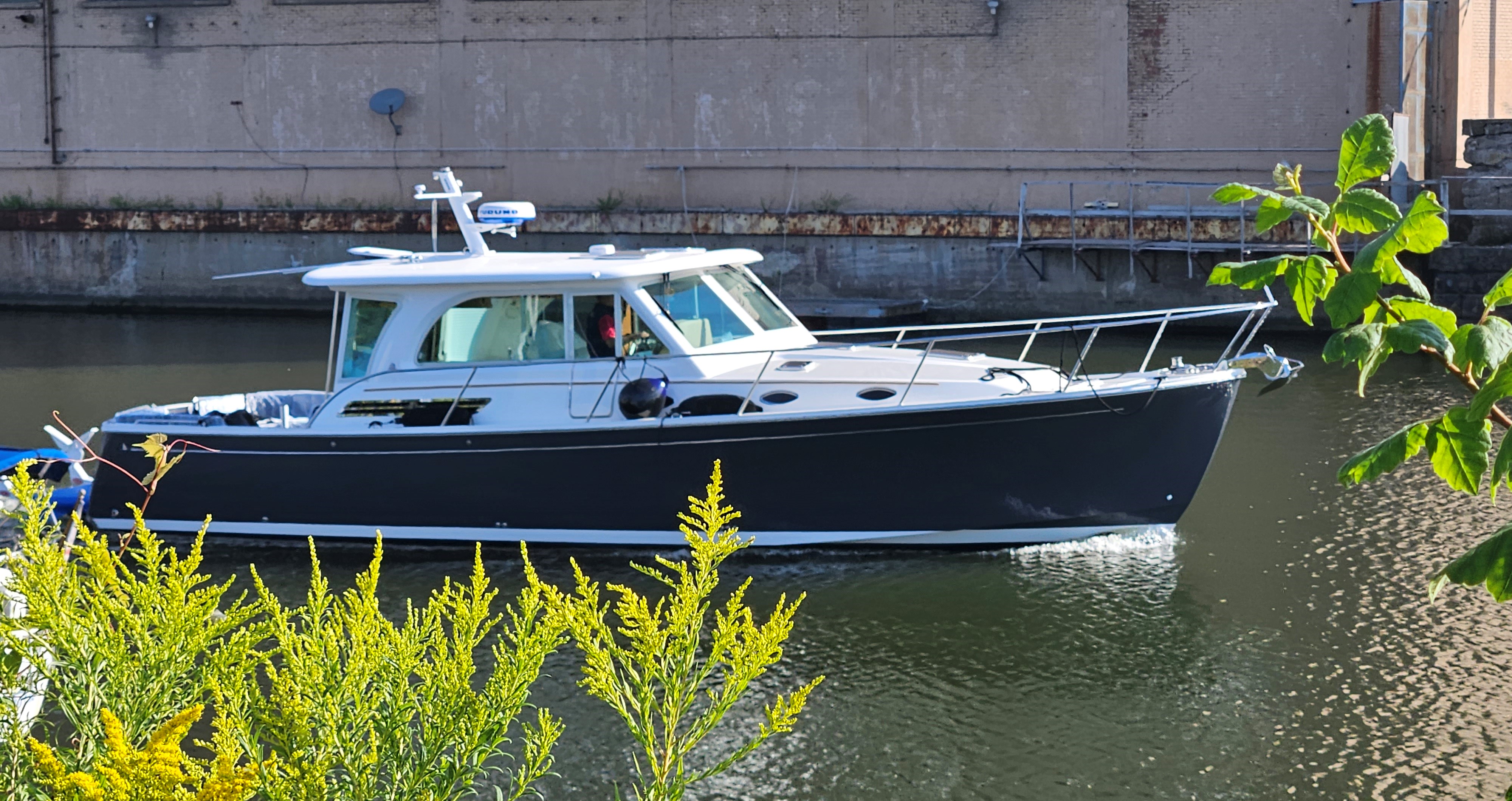
March 17, 2024; Lynyard Cay to Green Turtle Cay; Today’s run: 30 miles
Clicking on the pictures, allows the viewer to see them in a larger, and slideshow format without the captions.

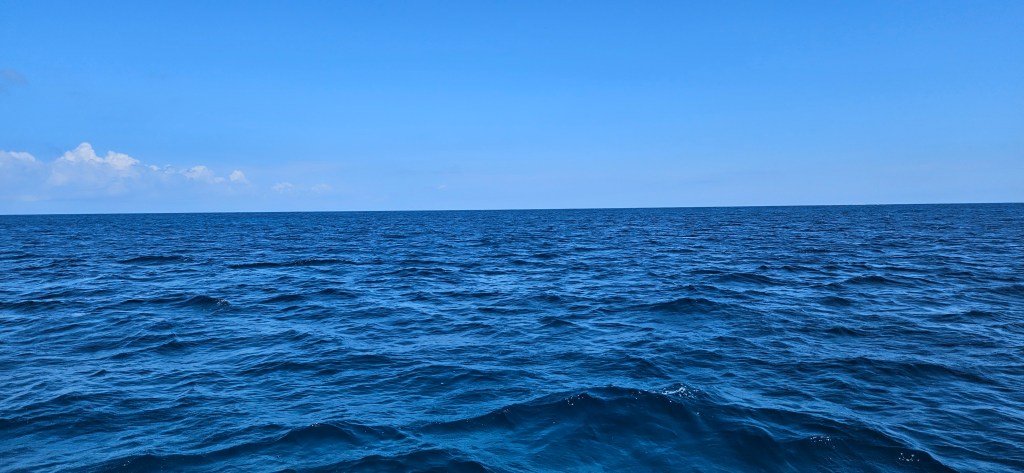
To navigate the shallow banks near Whale Cay, a channel leads boats east of the Cay into the open water of the Atlantic Ocean, (shown on the chart above in white, on the right), and through Whale Cay Passage.
The channel, Whales Cay Passage, circumnavigates the shoals, but it can become dangerous during a strong northerly swell. During those times, when swells break into waves, the passage can become impassable. Due to good planning, the day we navigated the channel, (above), conditions were good. But 9 days later, a 36ft/11m sailboat, broached; lost control in the steepened waves, took a wave over the side, and sunk. The 3 crewmembers were rescued. Boaters now have another obstacle to keep clear-of when navigating the channel. Apparently, during calm conditions, the top of the boat’s mast is visible.
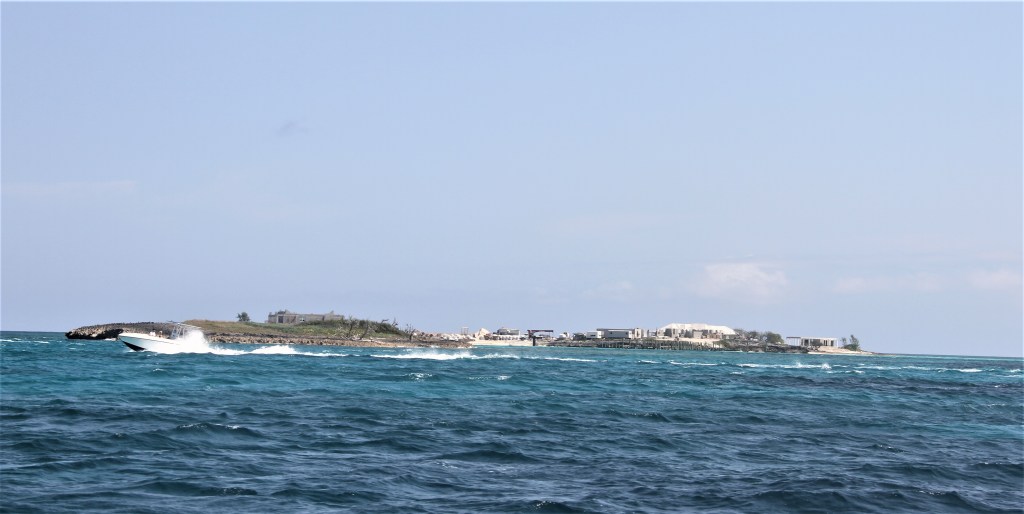

Green Turtle Cay was named for the hundreds of green turtles that once lived in the shallow Atlantic waters around the Cay. Pirates, Spanish, and settlers, depended on their meat for survival. Other than a few rodents, turtle meat was their main supply of protein.

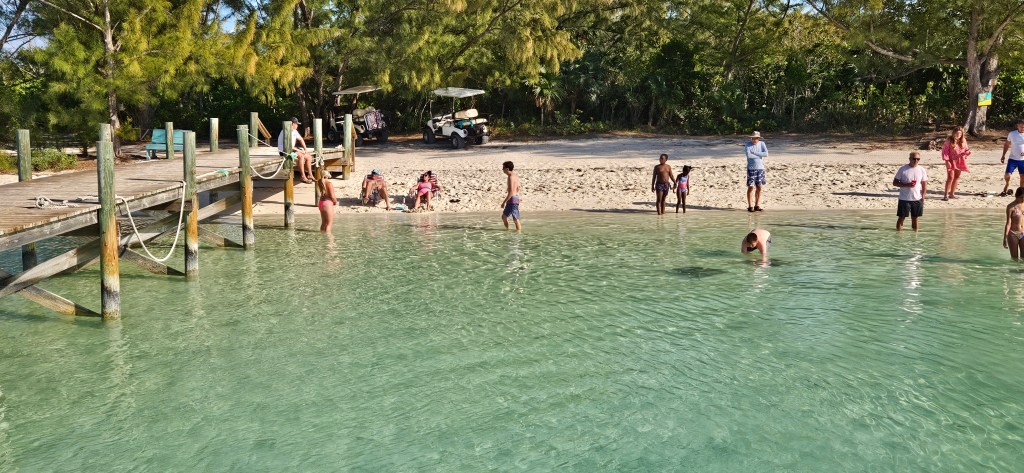
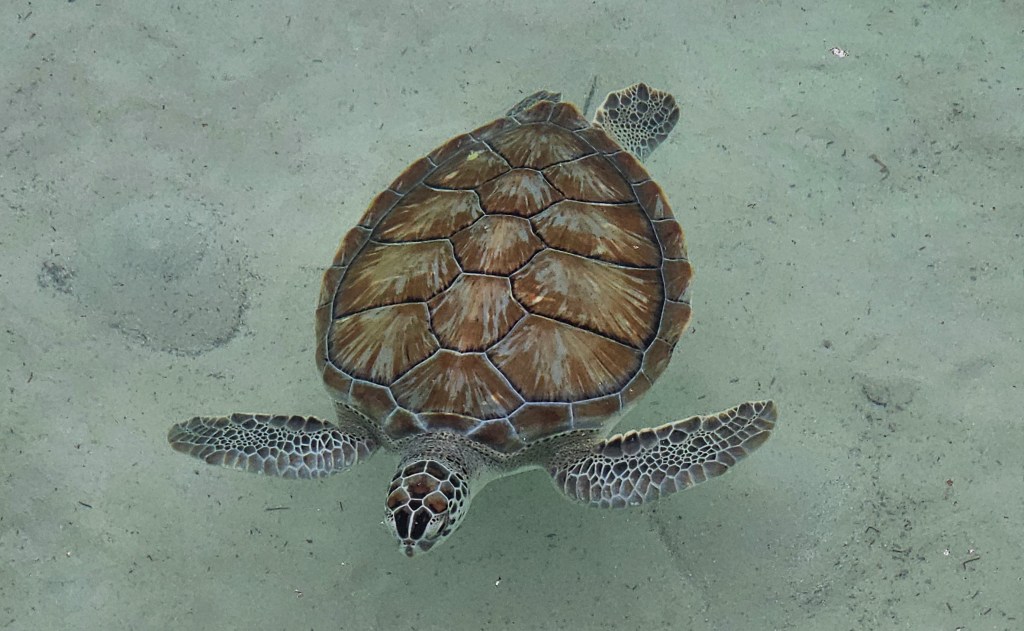
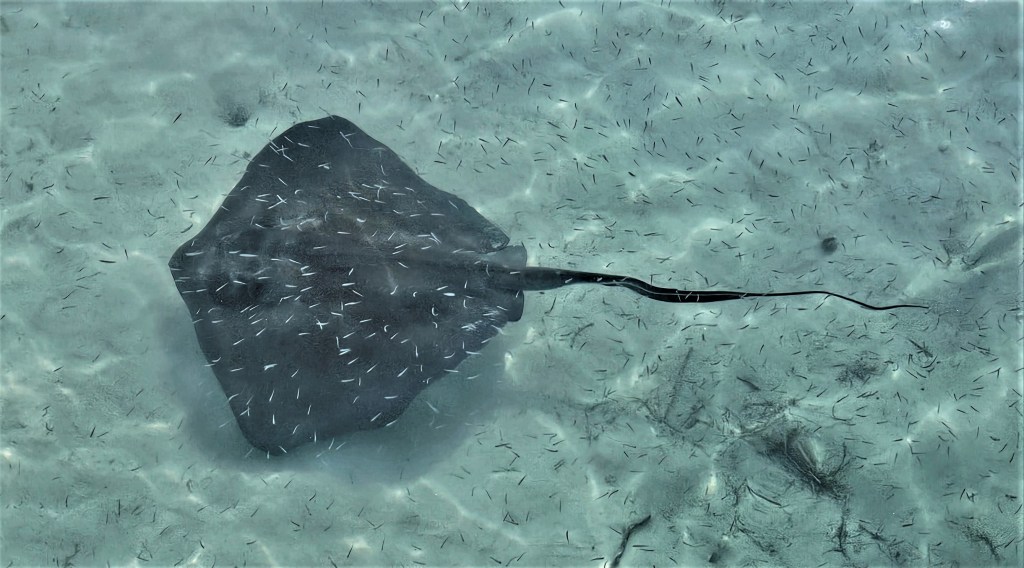

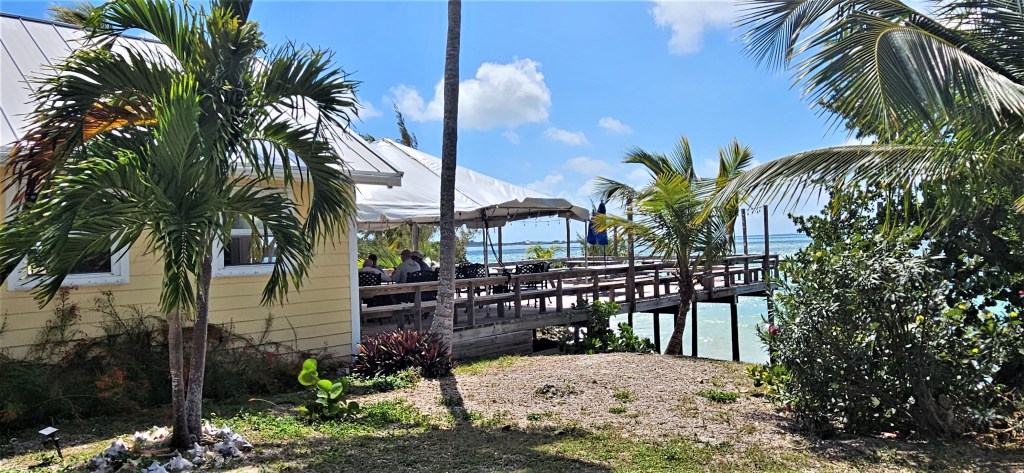



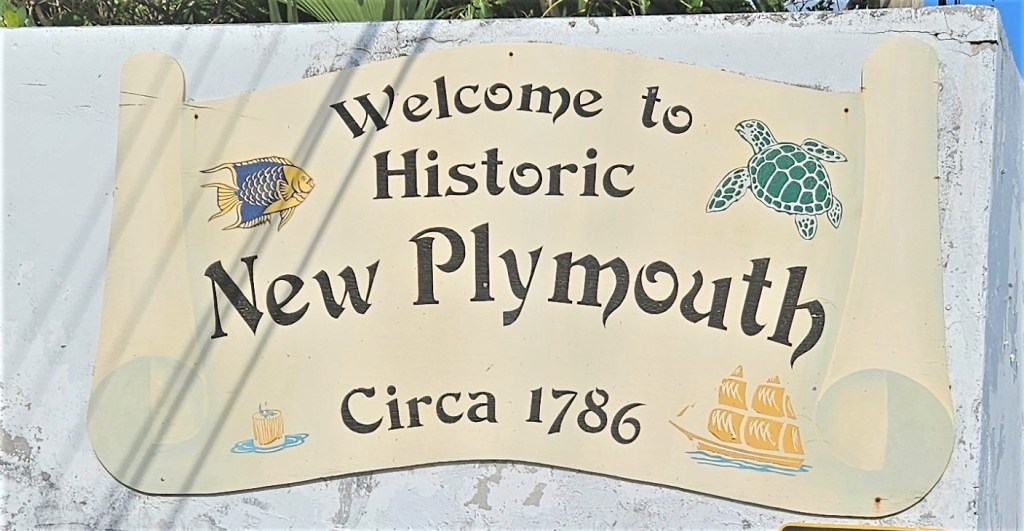
1783: Another haven for British Loyalists who made a good living retrieving floating goods from wreckages of cargo ships under sail. According to an article written in 1867 in the magazine: Chamber’s Journal of Popular Literature, Science, and Art, a British traveler, who stayed on the island 6 months, reported that 7 wrecks had taken place during his stay. Following the retrieval of goods from the shipwrecks, town auctions took place whereby locals bid on necessities, merchandise to sell, and even luxuries.
When the wrecking industry dwindled due to better navigation including the construction of lighthouses* and the installation of channel markers, it was discovered that pineapples, (pine-apples), grew well on the cay. Huge numbers of the fruit were exported to the U.S. and England until the Untied States annexed Hawaii in 1898. Oranges and limes were also shipped to New York from the island. Other occupations included sponging, turtle and shark harvesting, and captaining fast, locally built, sailing vessels to smuggle supplies through enemy blockades during the American Civil War, (1861). The fortunes made during those times, built and furnished good-sized homes in a town that at that time, boasted a population of 2000. (Abaco Sun).
*Lighthouses: The British traveler and author of the Chamber’s Journal article, (1867), (mentioned above), suggested that lighthouse keepers throughout the Bahama Islands, should be given a salary of 80£ a year, “to place them beyond the temptation of a bribe” [that would encourage them to distinguish lights on lighthouses.]
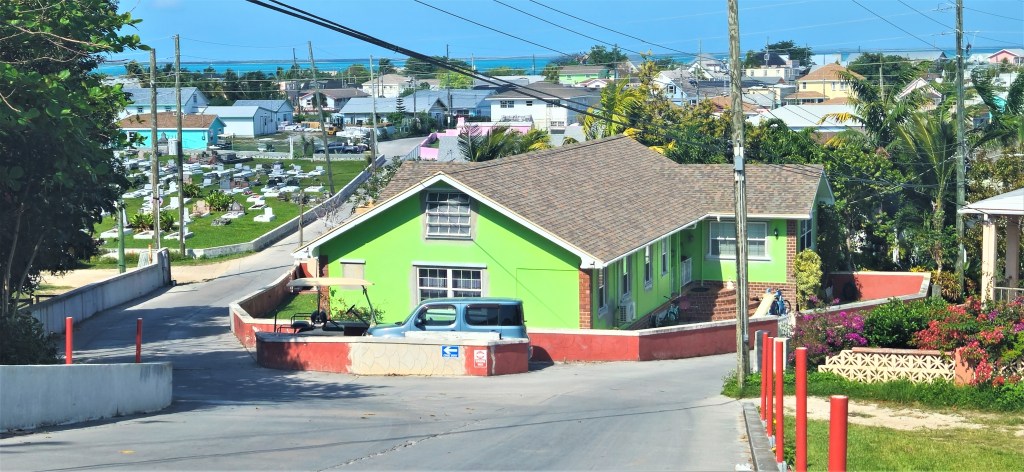
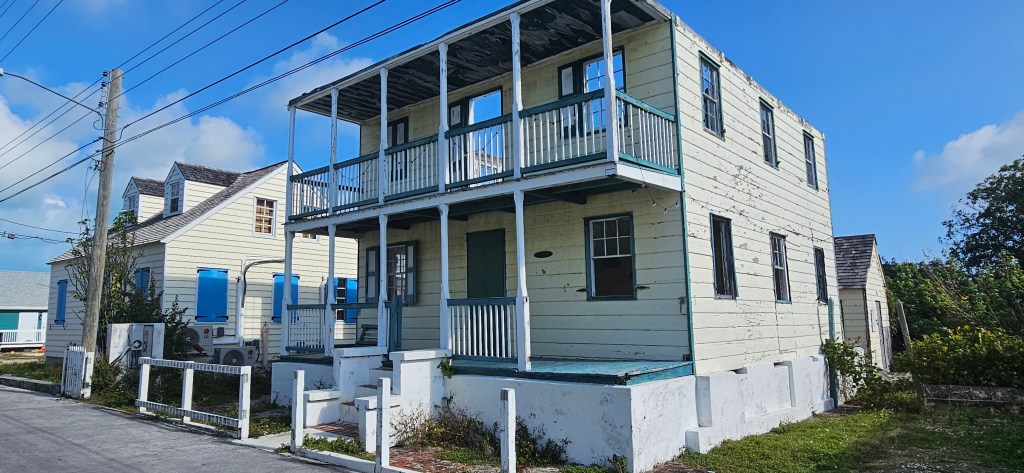
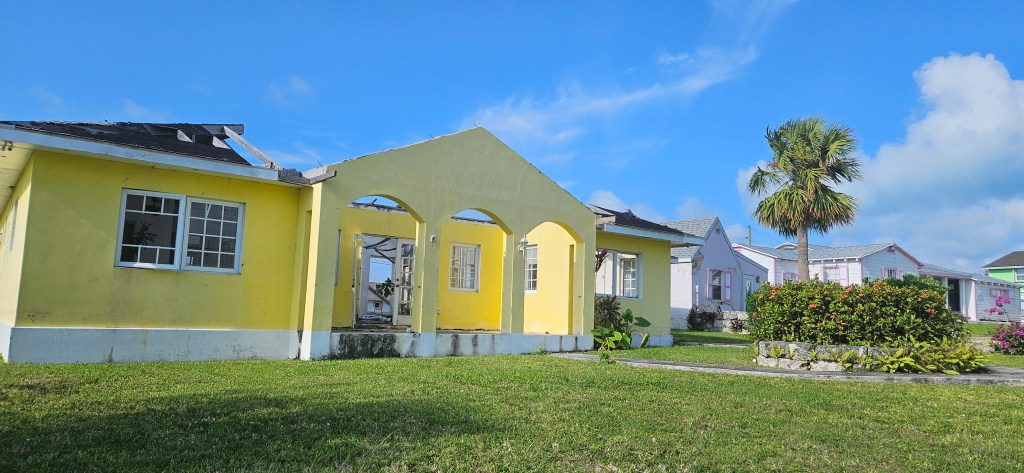
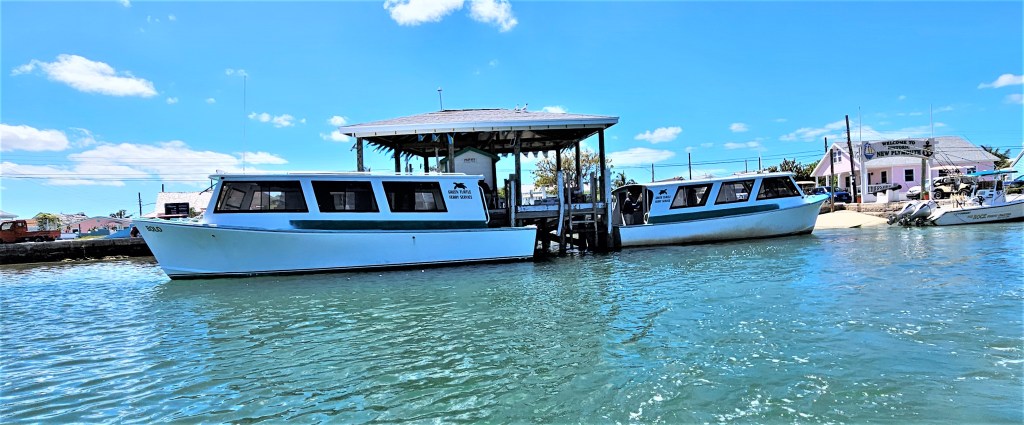
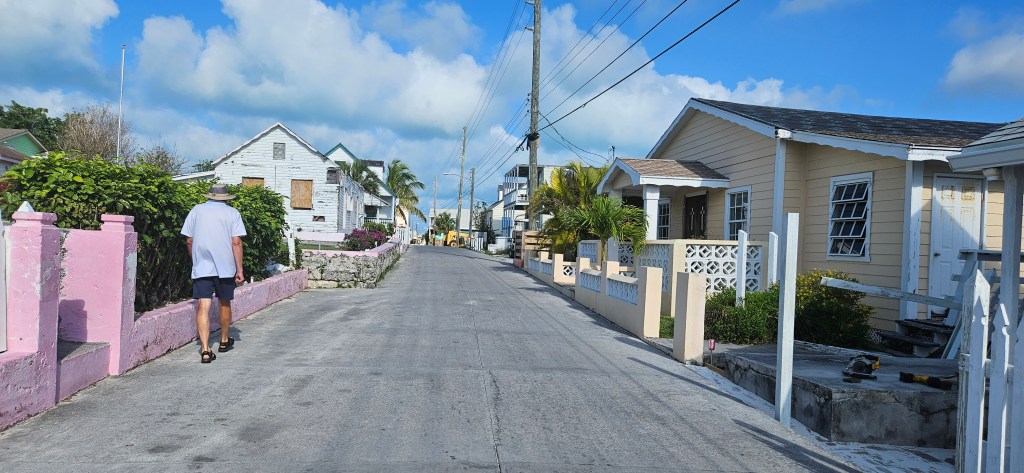
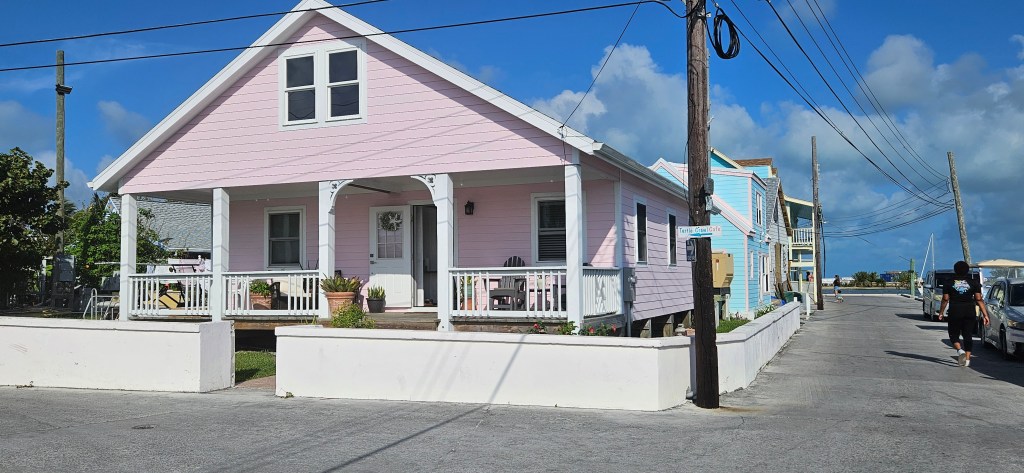
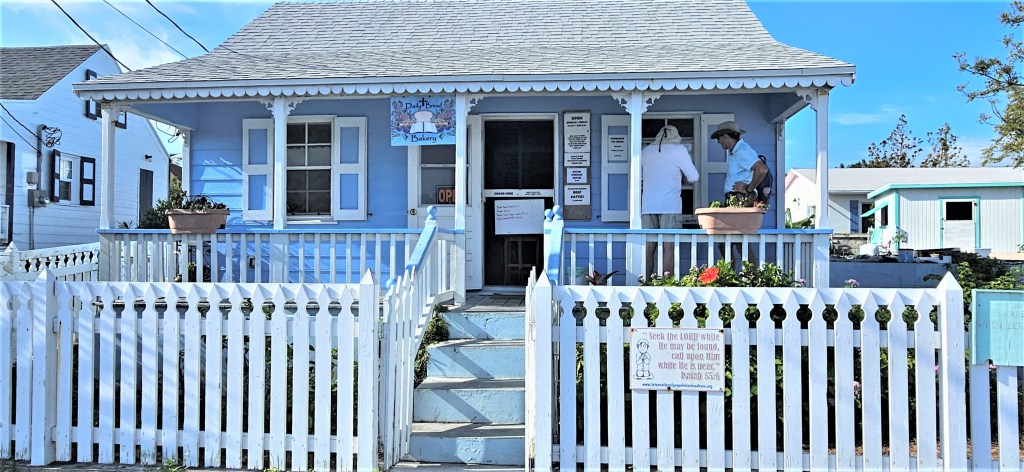
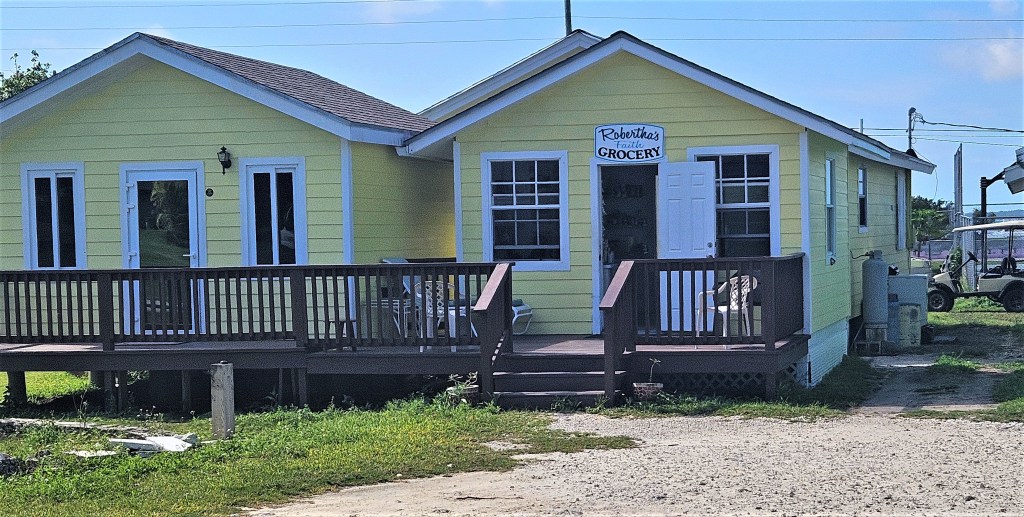
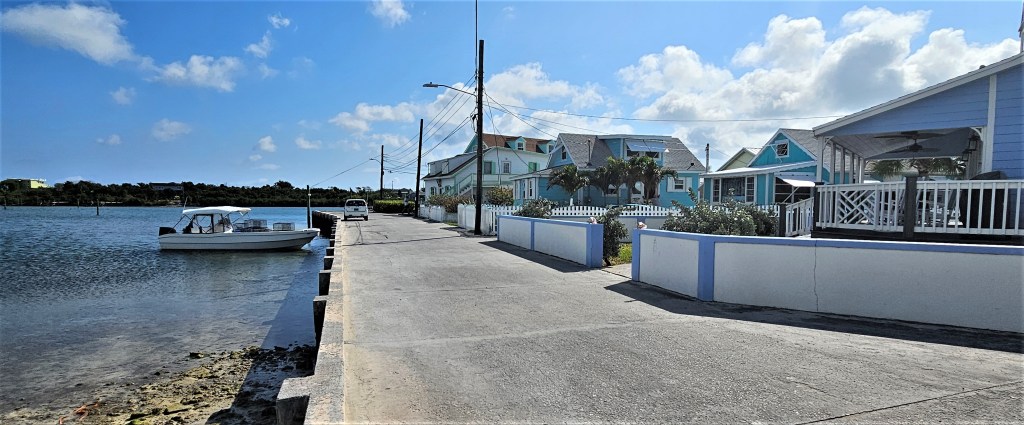
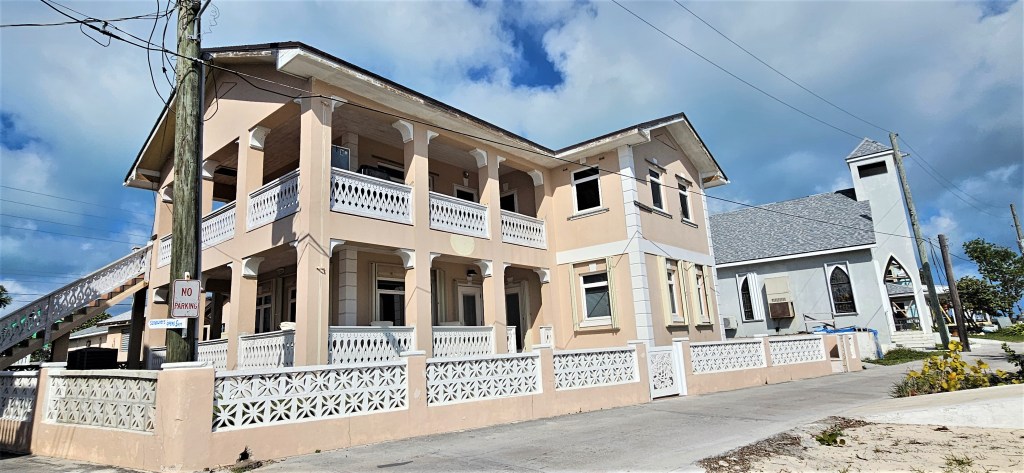
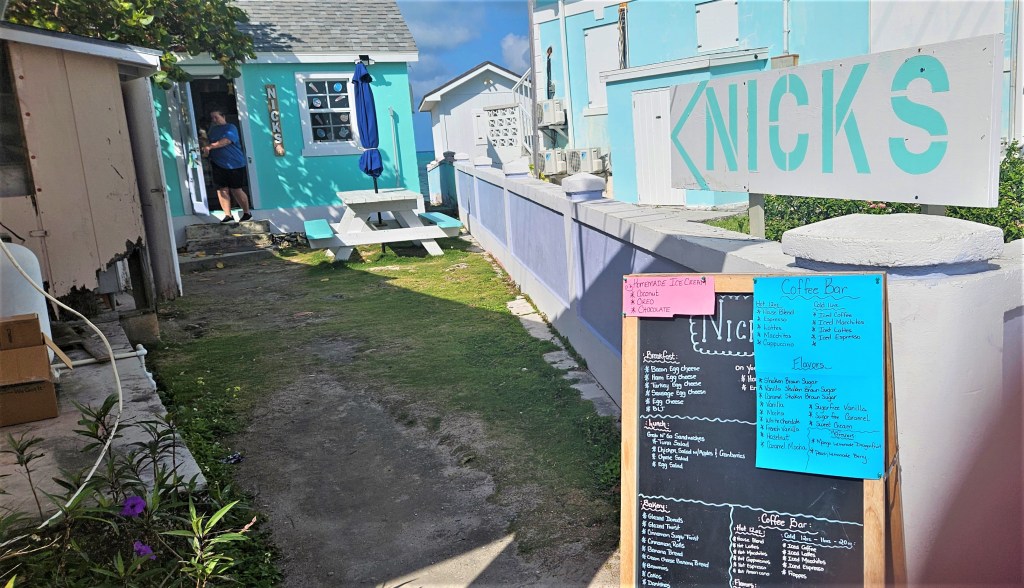
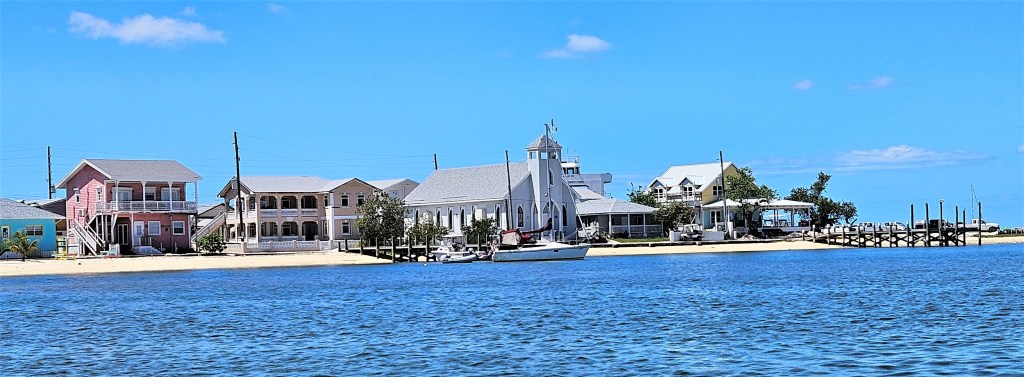
NEW PLYMOUTH TODAY


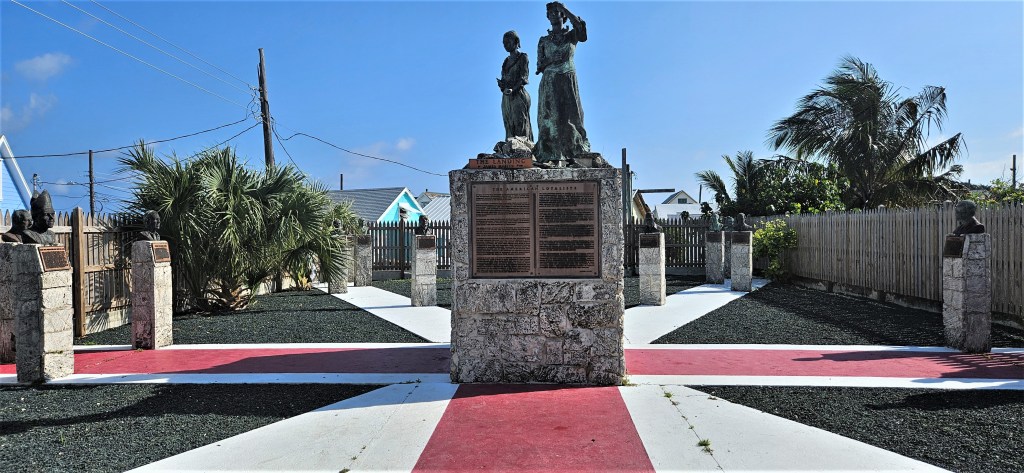
LOYALIST MEMORIAL SCULPTURE GARDEN, New Plymouth: A tribute to the Loyalists and slaves who settled The Abacos. The garden is laid out in the form of a Union Jack.
A plaque in the garden reads: Tyrannized for their differences of opinion, active loyalists tolerated verbal abuse, loss of civil rights and property, and endured physical torture and wretched imprisonment. Some Tories were even executed as traitors.
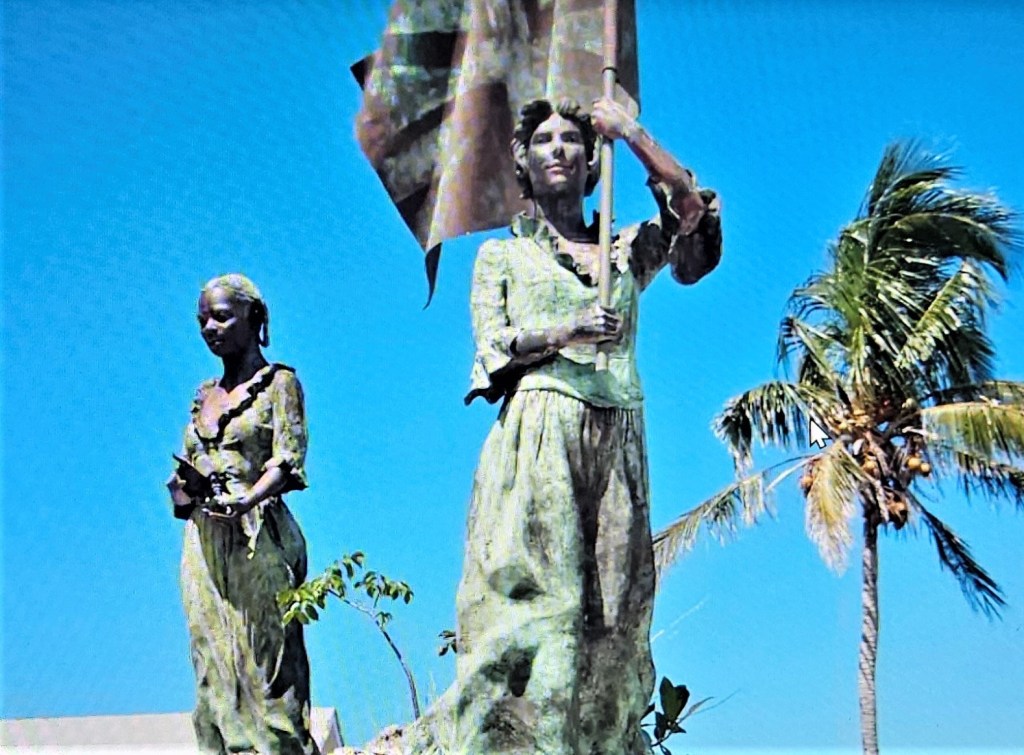
(Above),’The Landing”, Life-size bronze figures of 2 girls, one black, the other white. One child holds a conch shell, a symbol of the Bahama Islands, the other holds the Union Jack, the flag of Great Britain.
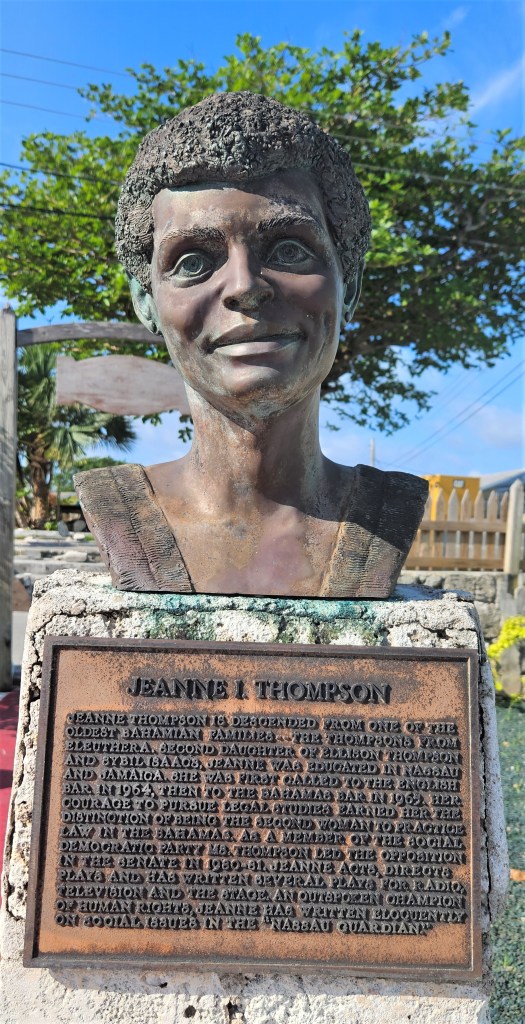
The garden contains 24 busts of prominent Bahamians, each from a different island, many descendants of Loyalists or slaves who played a significant roll in the development of the Bahama Islands: teachers, lawyers, government officials, boat builders, sea captains, businessmen, and others, multi-talented in farming, carpentry, telegraph management, preaching and numerous other abilities. Jeanne Thompson, (sculpture), was a descendent of a slave family, a contemporary playwright and the country’s second female attorney.
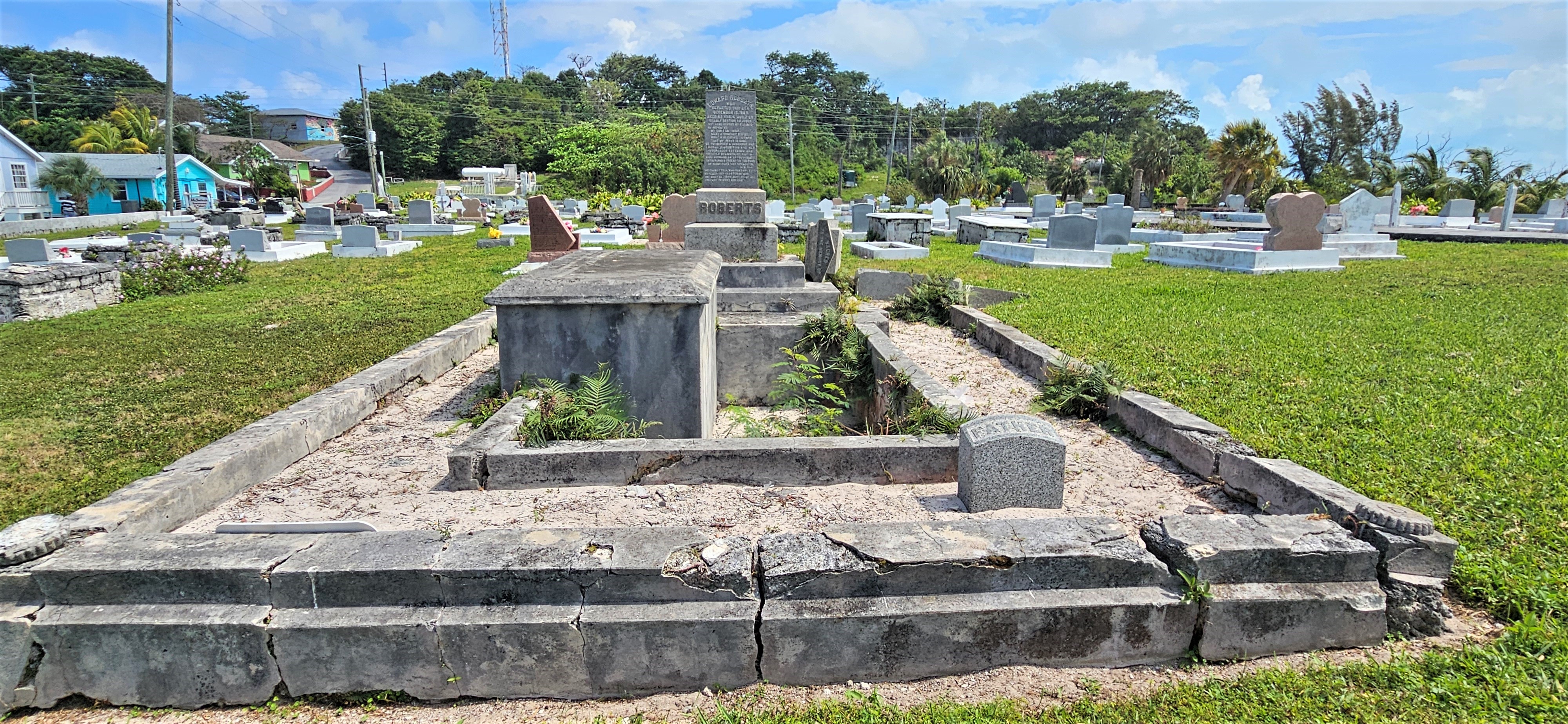
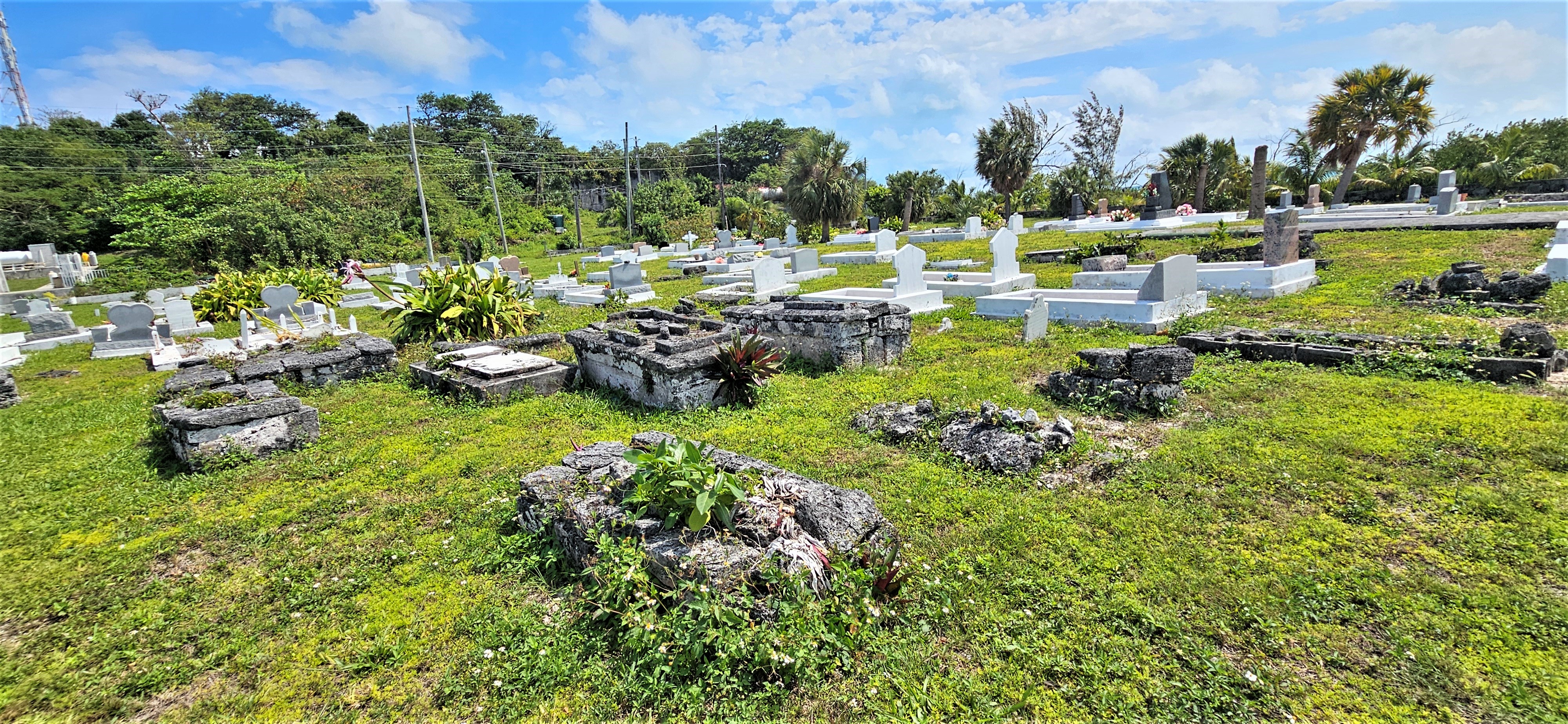
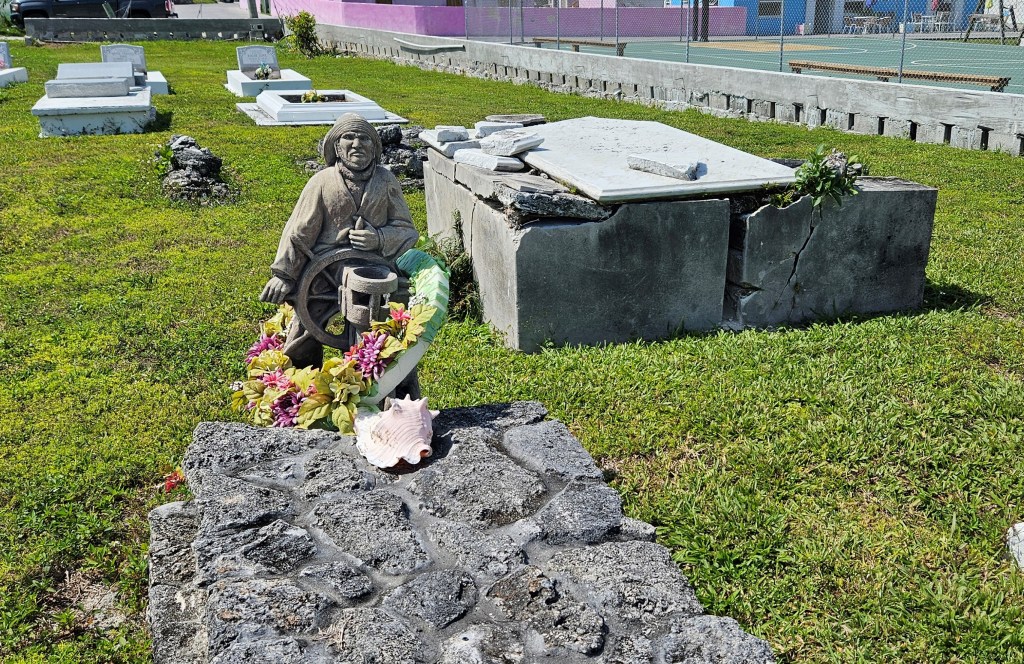
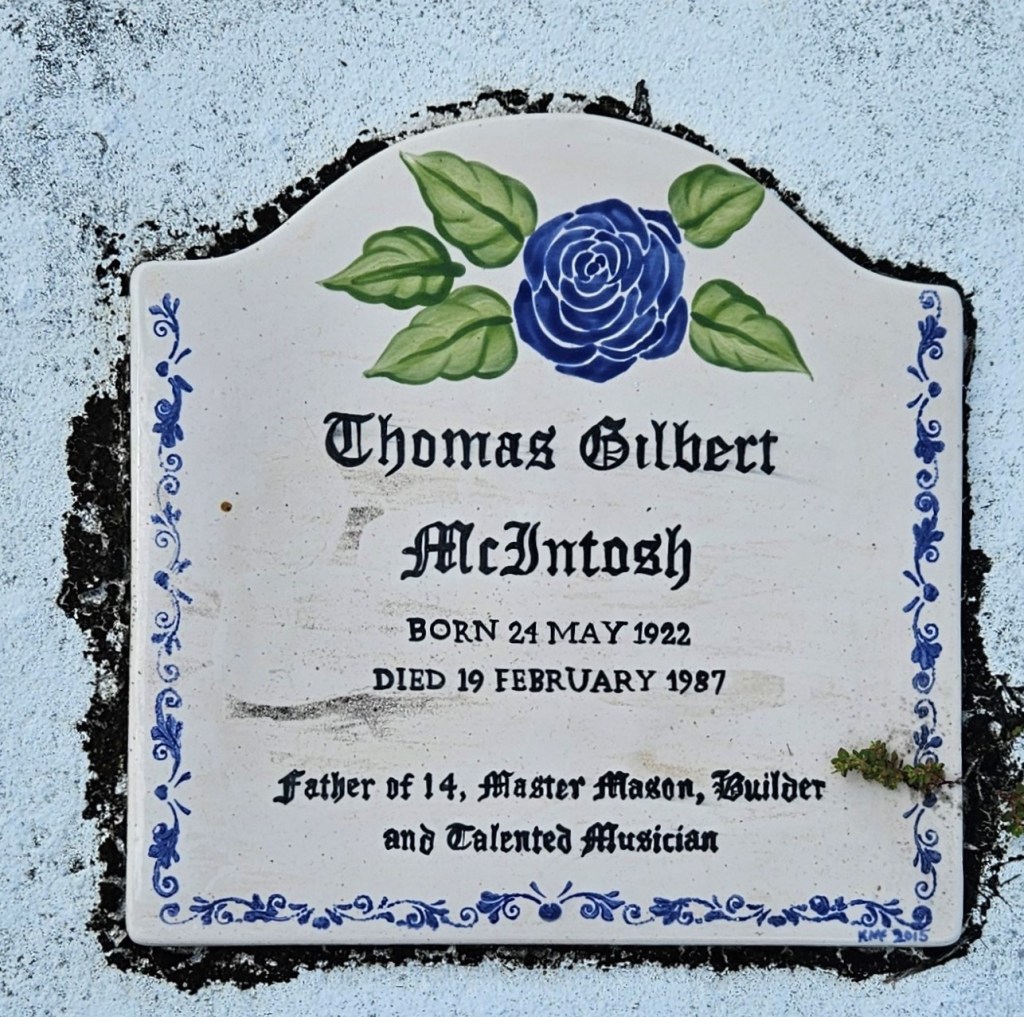
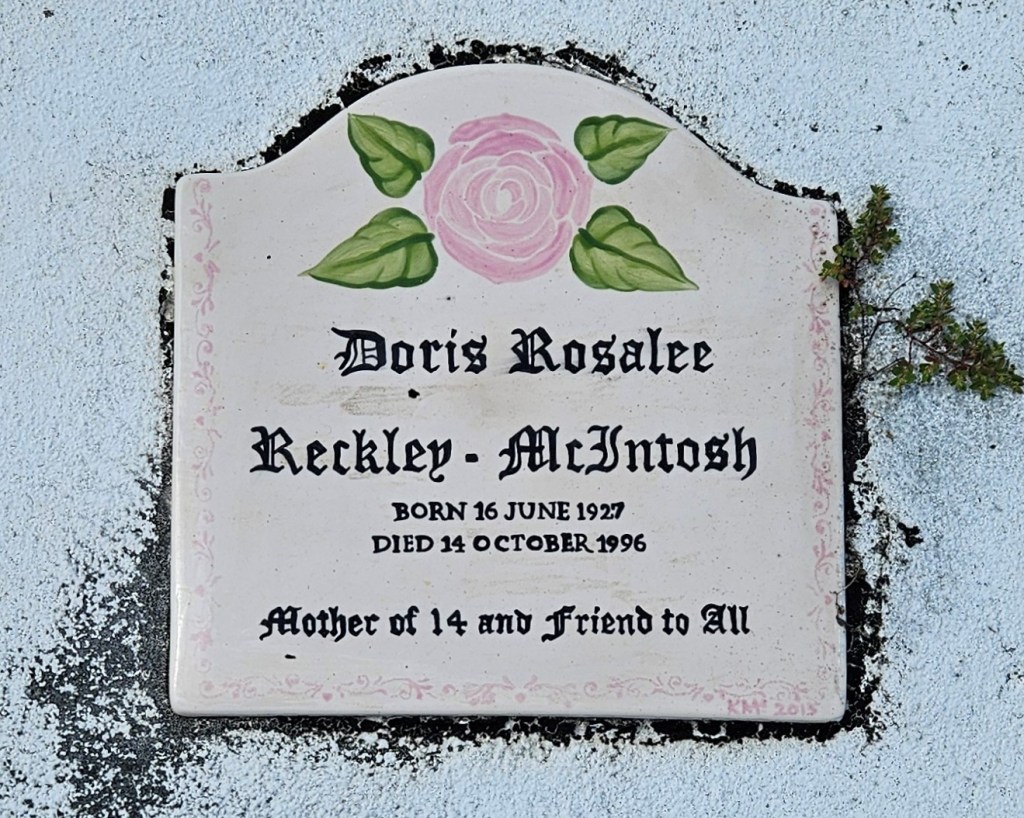
A visit to the cemetery turned up generations of family names, often descendants of the earliest settlers: Roberts, Lowe, Saunders; but the oldest gravesites, lay weathered, eroded and nameless.


 Traveling the Great Loop
Leave a comment