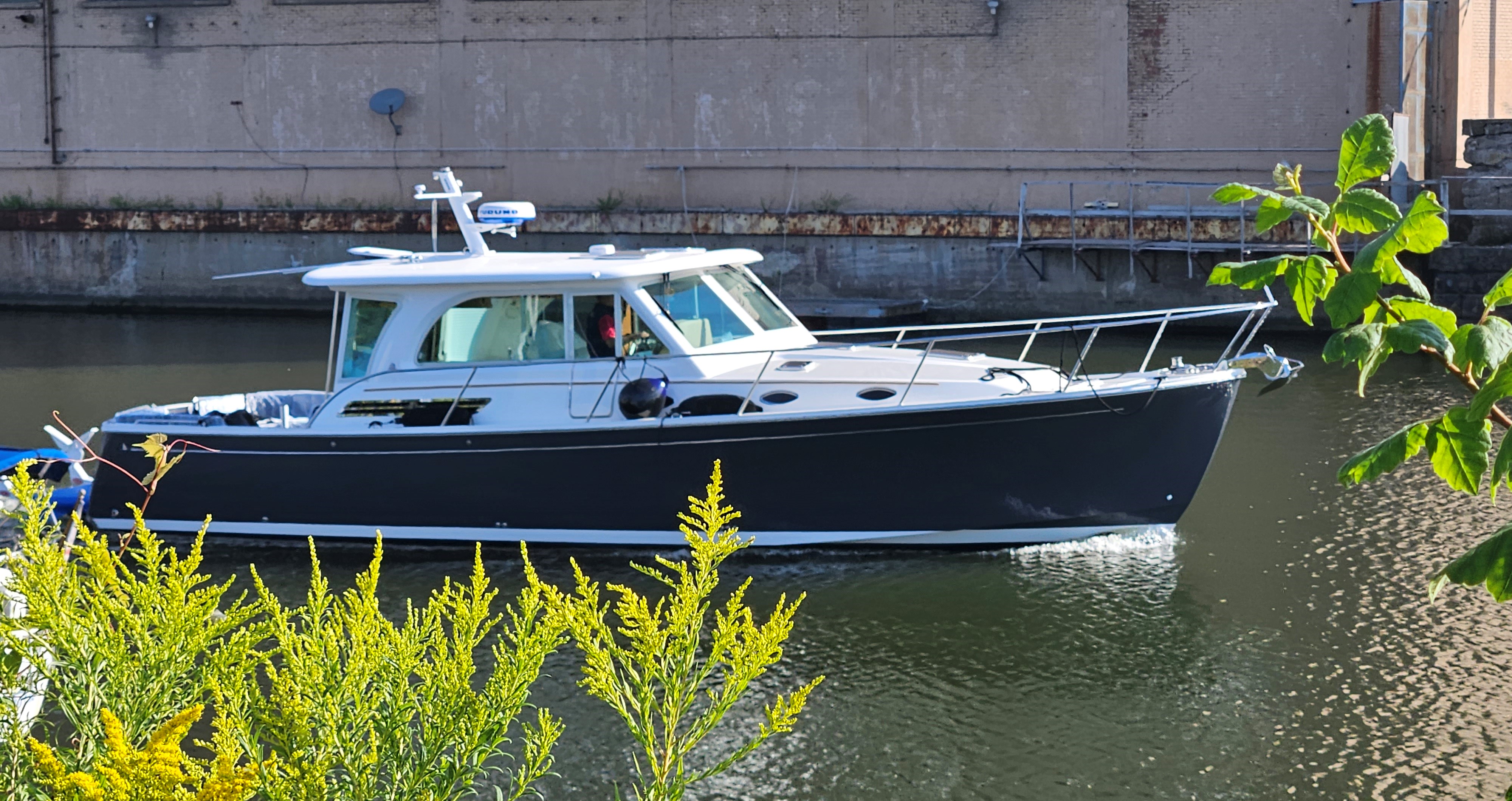
Oct 28, mile: 256; Today’s run 48 miles
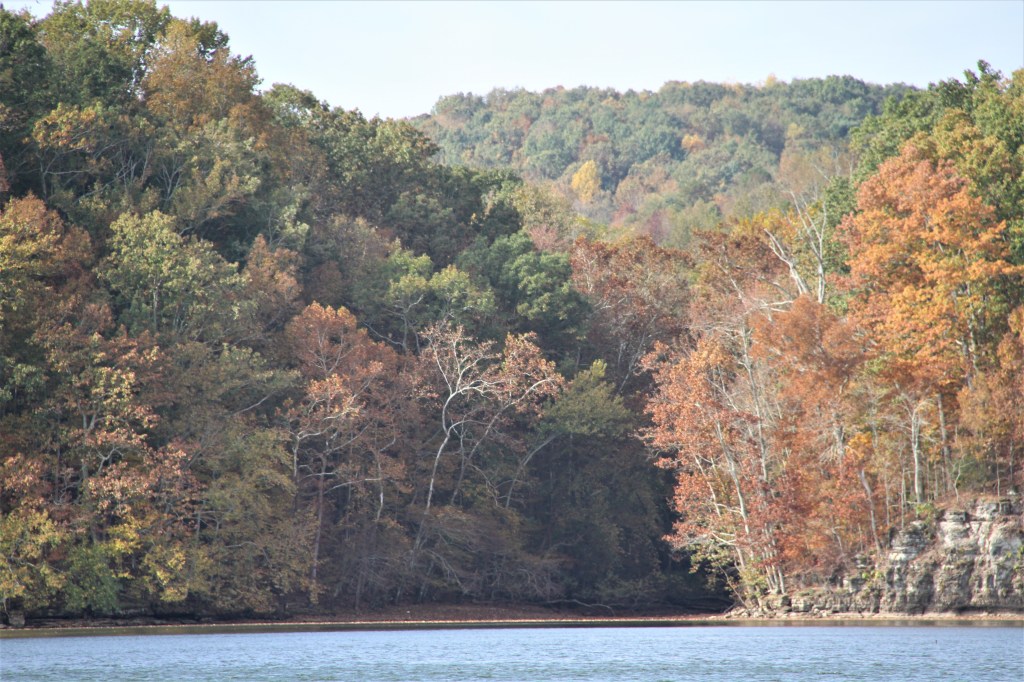
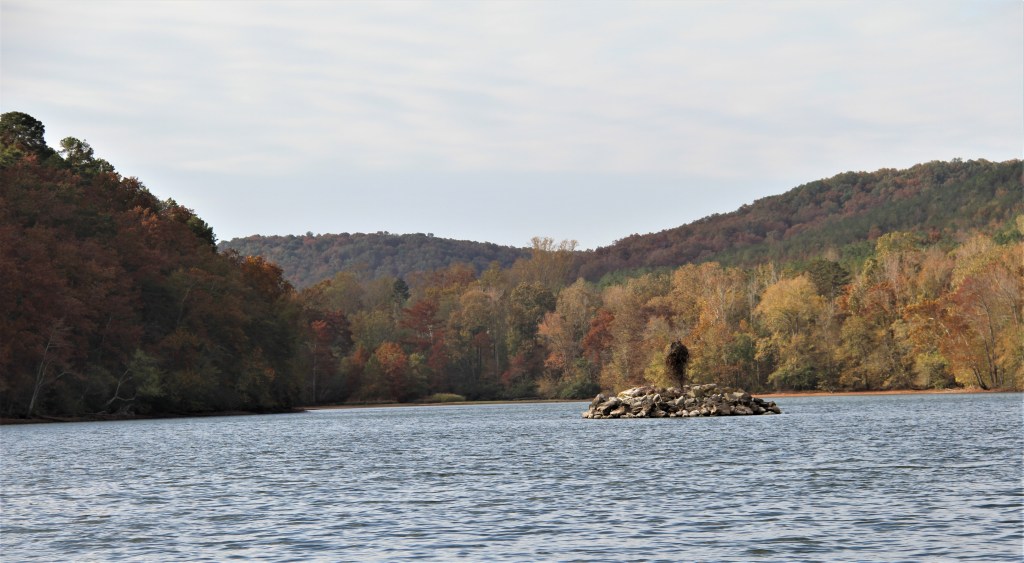

Centuries ago, The Choctaw, Chickasaw, and Natchez Indian tribes, cut a trail through the forest leading from Natchez to Jackson Mississippi, to Nashville TN. This scenic trail, approximately 450 miles long, is now the Natchez Parkway.


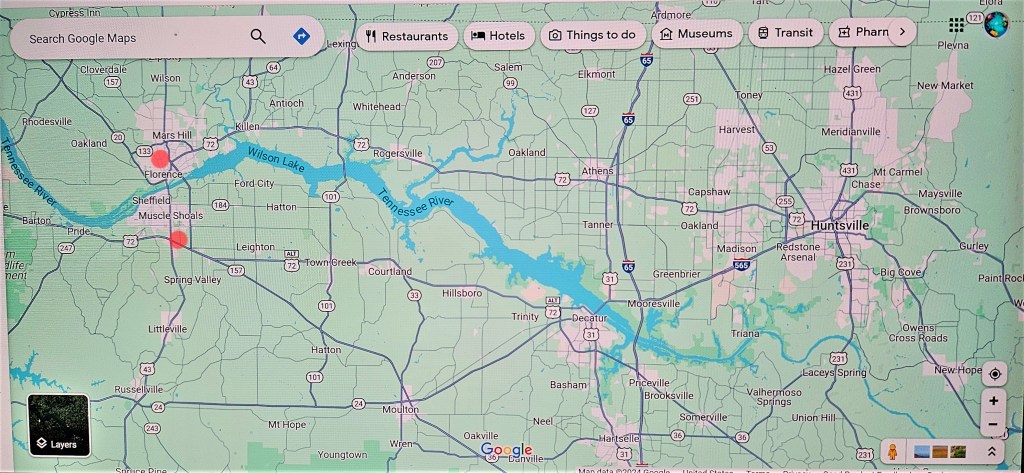
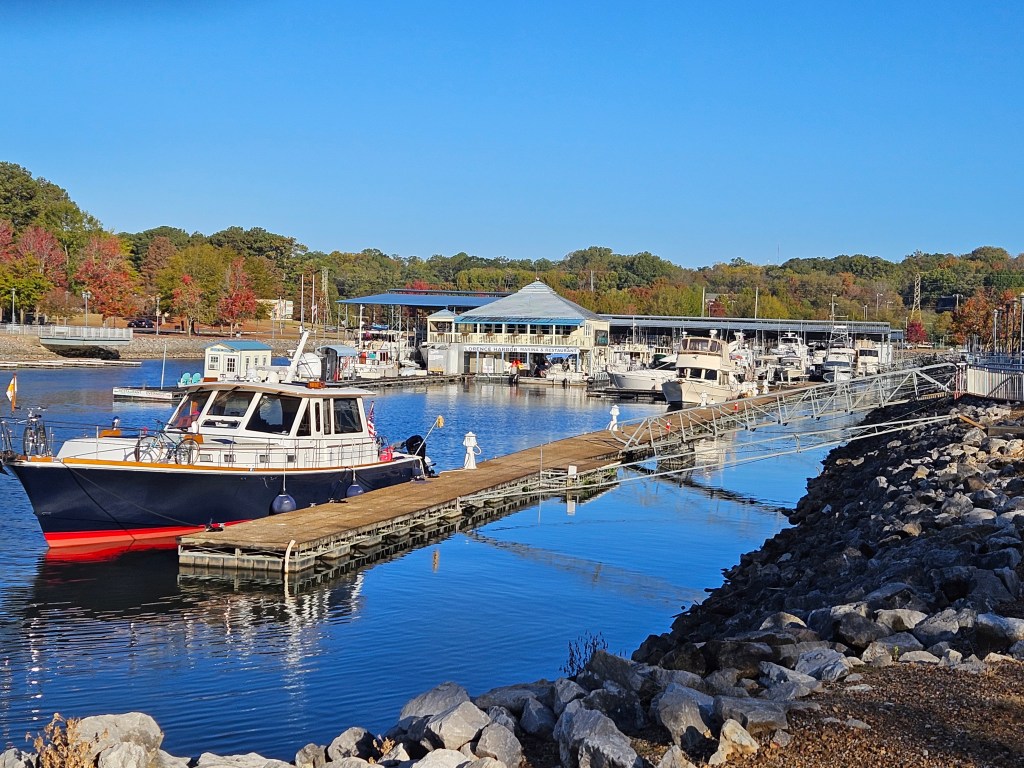

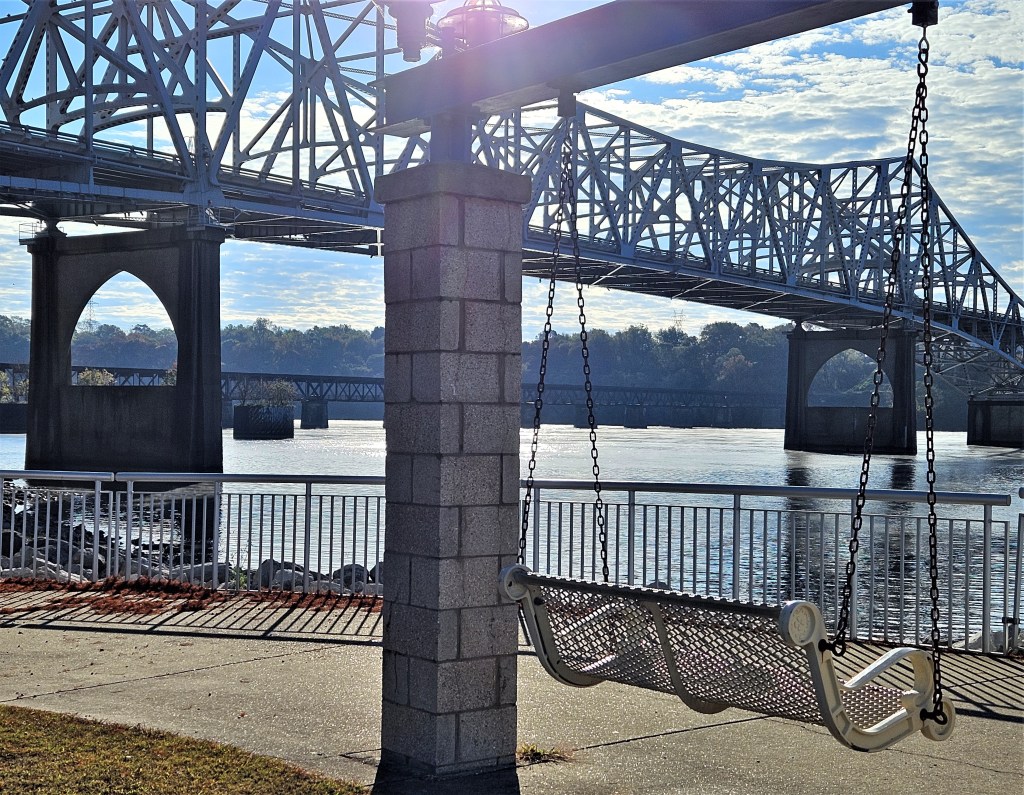
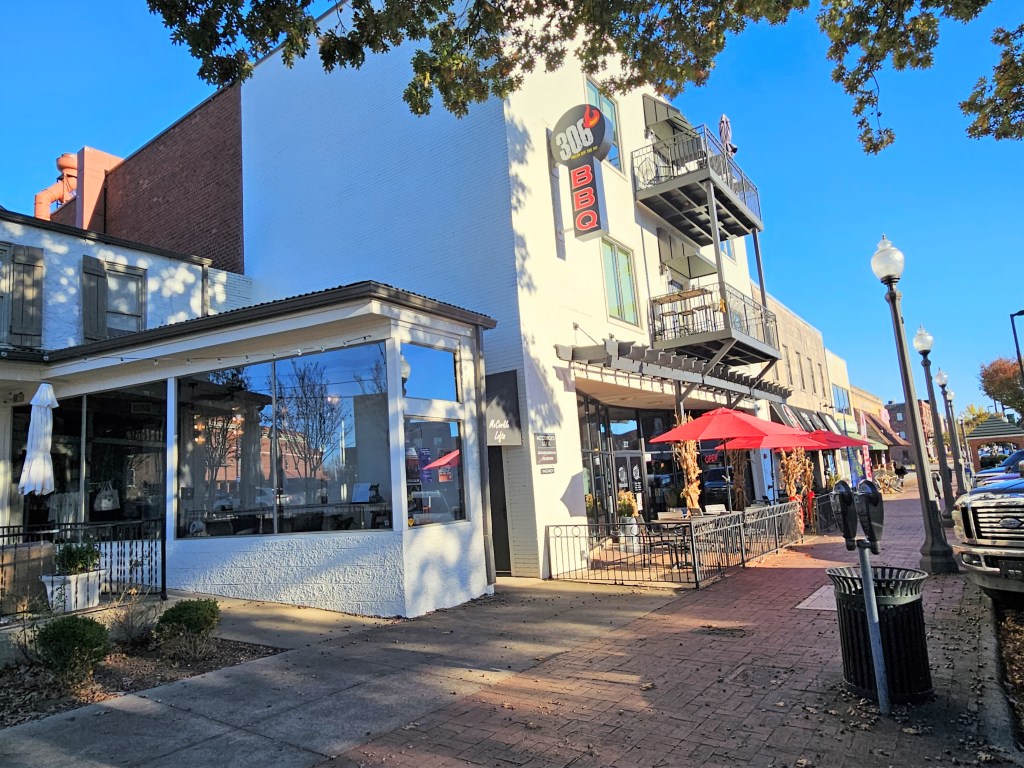
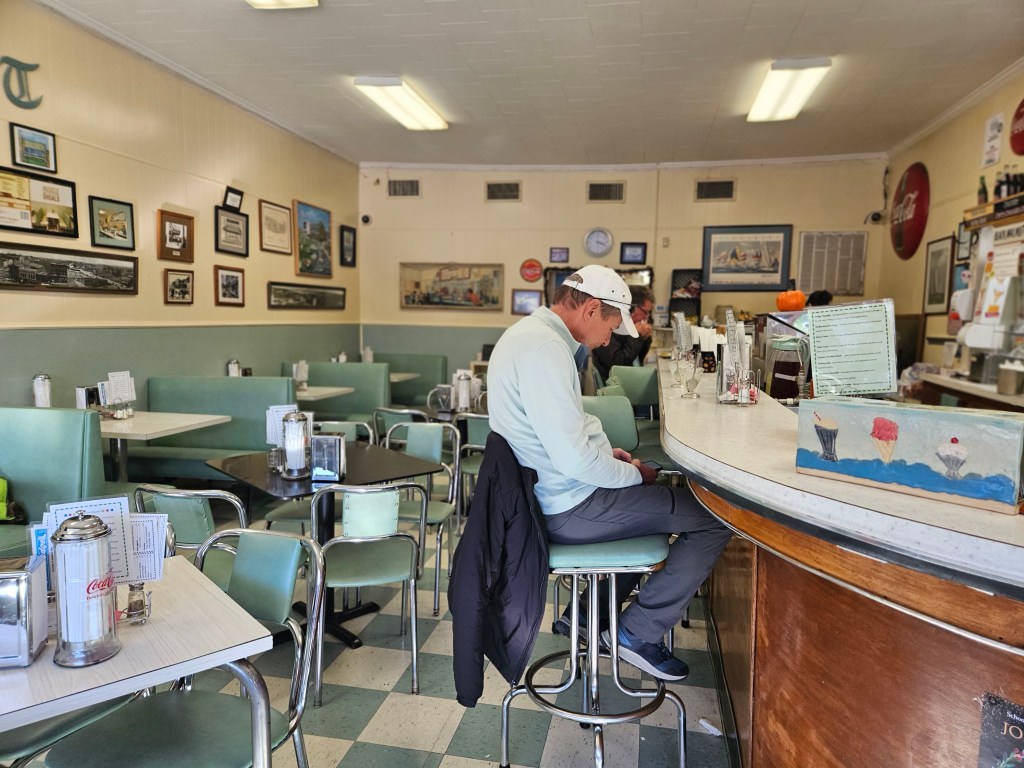
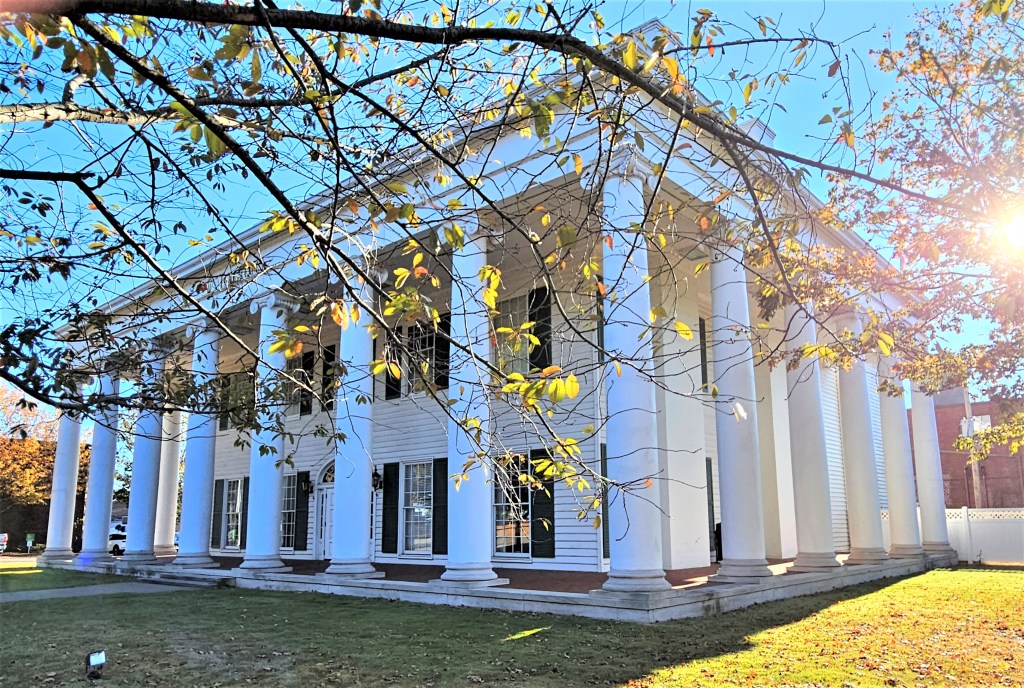

We rented a car , toured the town and drove past the University of North Alabama. Apparently, their mascot is a lion, a real, full-head-of-hair lion. But that day, we were not interested in lions, we were interested in seeing a coon dog cemetery. At least I was. Mike questioned why I would want to visit a coon dog cemetery. “Because I have never seen one,” was my answer.
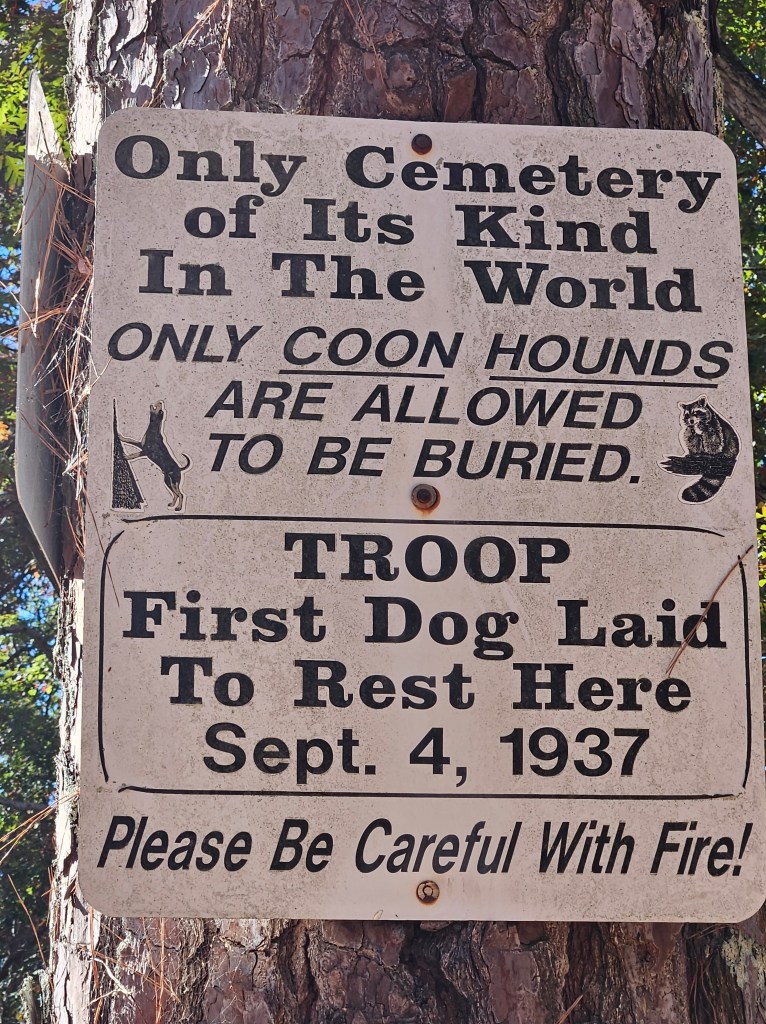

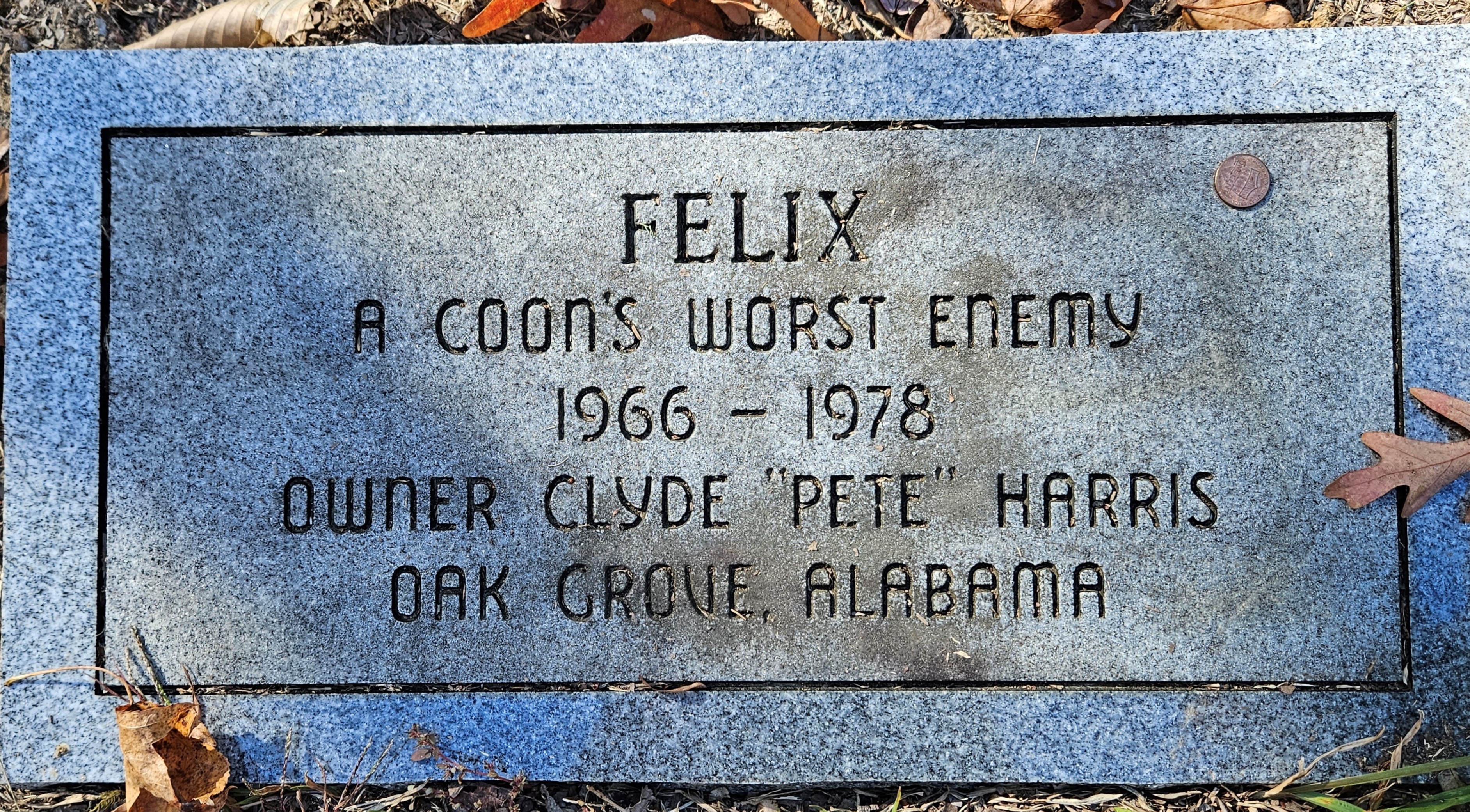
We drove through city streets lined with beautiful homes, through a suburb of 1950s bungalows set on concrete slab foundations, turned onto a highway until a sideroad guided us down several miles of winding, forested lined road. After a few miles seeing the occasional house set back among the trees, we saw the sign,’Coon Dog Cemetery’.
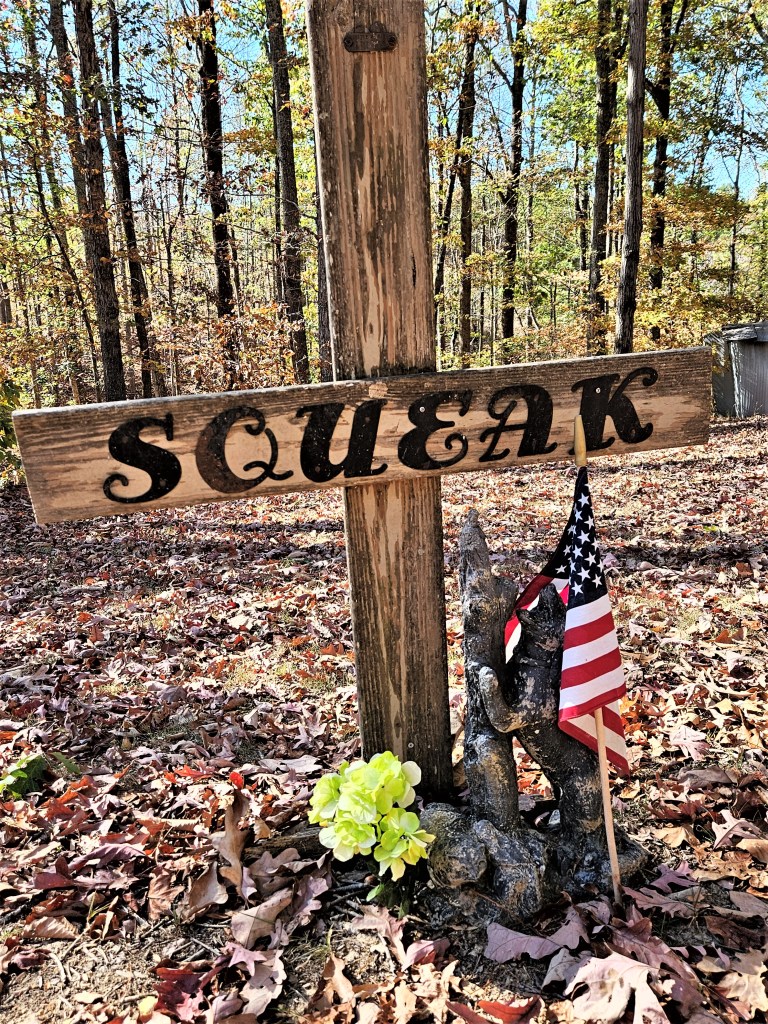
In 1937, an owner who loved and respected his coon dog for his exceptional hunting talents, buried him in a grassy, treed meadow of the Freedom Hills of Northern Alabama. Using a screwdriver, Underwood etched the dogs name into a old chimney stone and hammered it into the ground. The dog’s name was Trooper, the best around. Even other hunters agreed with that statement. And so the custom began: owners of authentic coon hounds (the breed must be verified by 3 people including a member of the local Coon Dog Association), bring their dogs here for burial. From family hunting coon ‘dawgs’ to World Champions, they are buried here with names and sayings chiselled roughly into stones, pieces of wood and custom granite headstones; over 175 dogs are buried here. “In the, old days, coon pelts used to sell for $10-12 a hide, some even barbequed them, but I’ve heard it’s the worse meat you’ll ever eat”. Timothy Hutton.

Just outside the city, sits a dreary little building on a non descript piece of land. But between these 4 walls, lies 11 years of incredible music history.

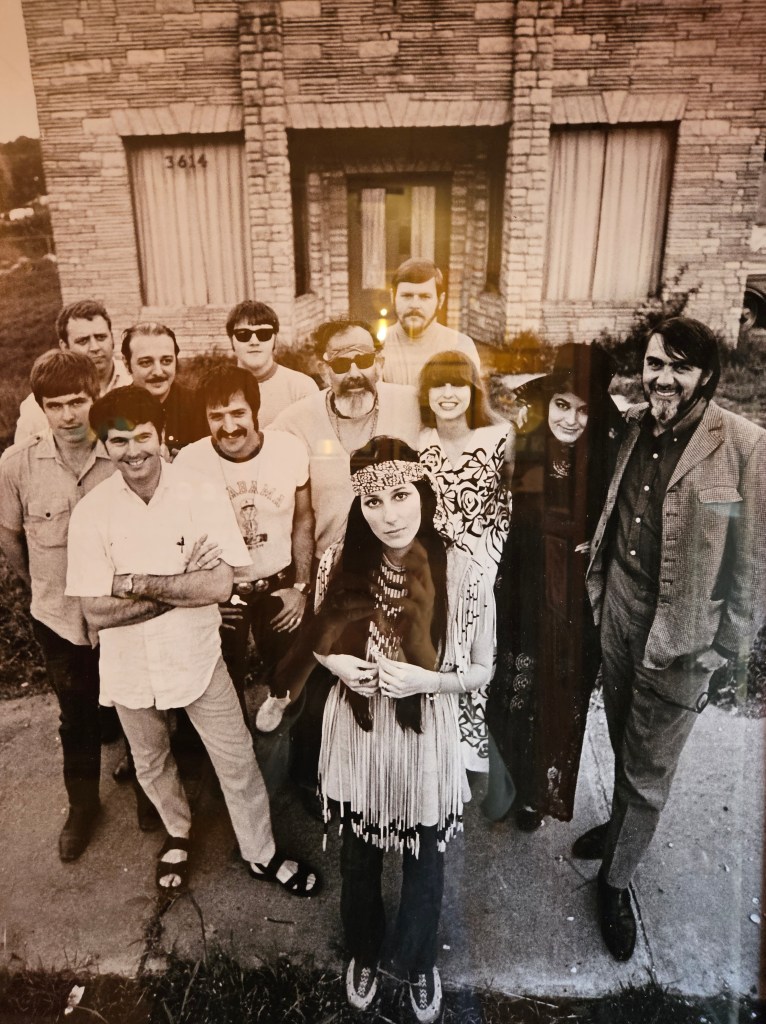
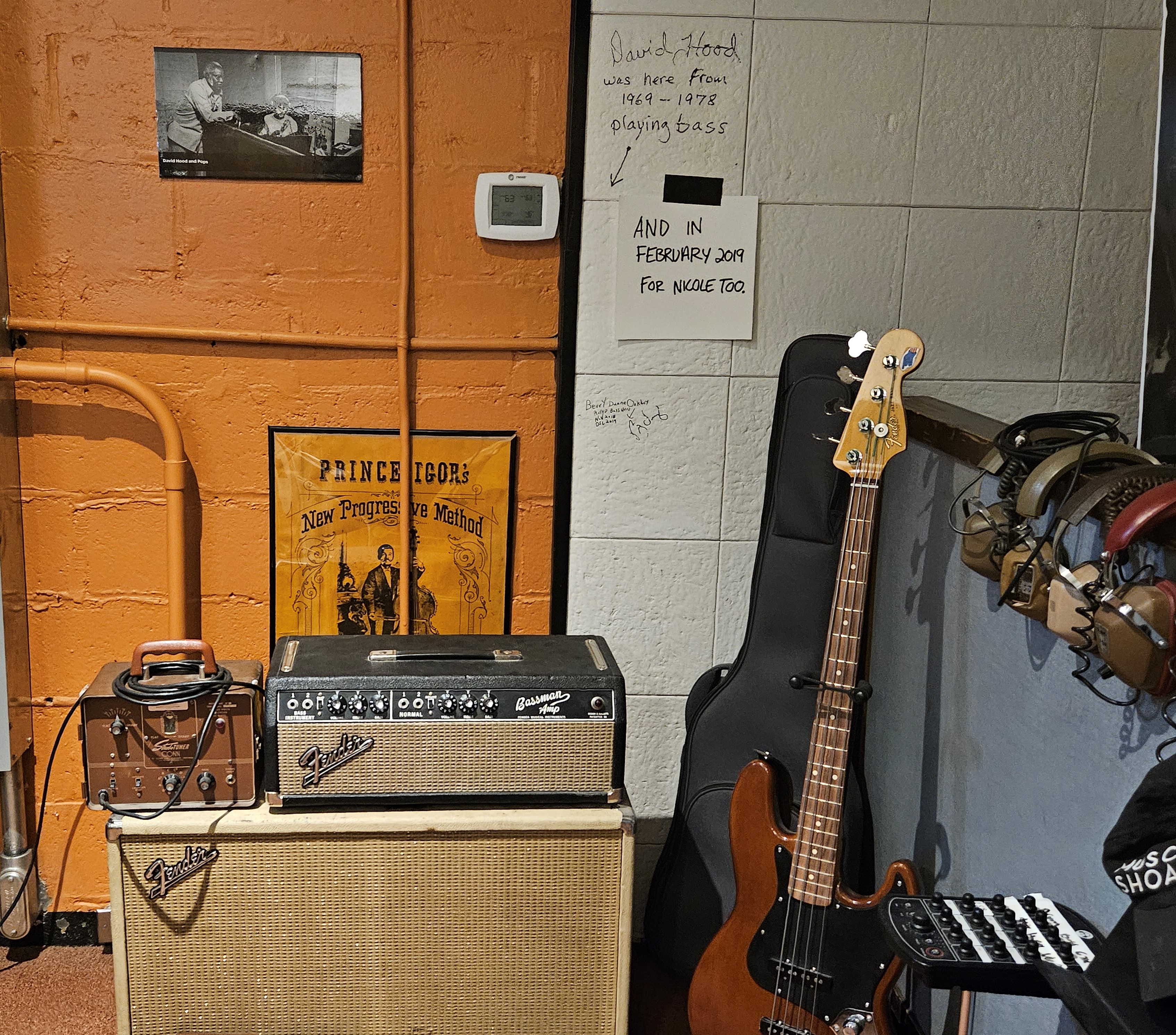
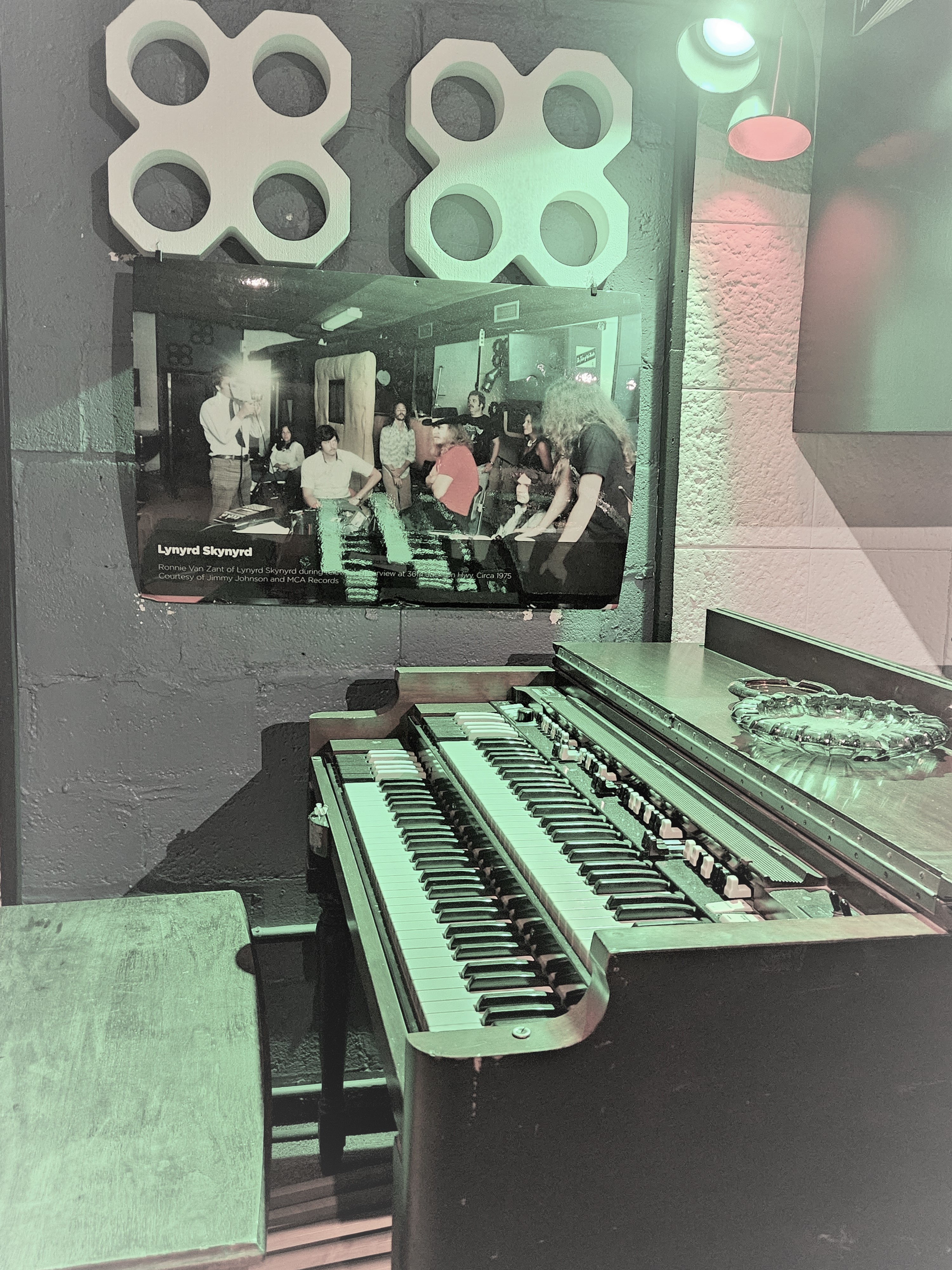
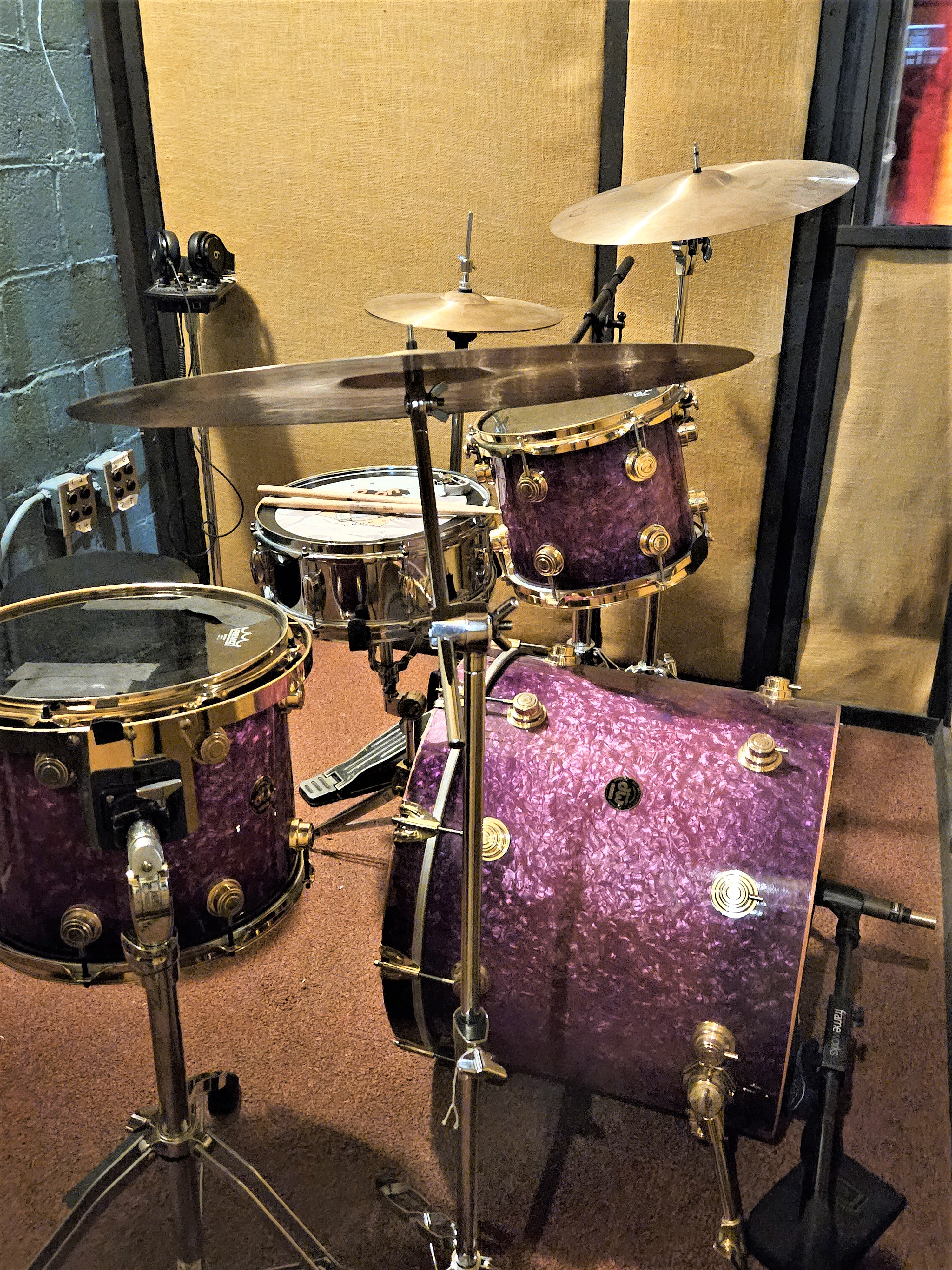

Originally a casket room before a sound studio, it was the talented back-up group, The Swampers, who drew upstarts and famous vocalists to the studio. They were one of the most prominent American studio house bands between 1960 and 1980. Individually or as a group, they have been associated with more than 500 recordings, including 75 gold and platinum hits. Among other talents, they were masters at creating a southern combination of R&B, soul and country music known as the “Muscle Shoals sound.” Together the group of 4, made $1000 for 13 hours of work.
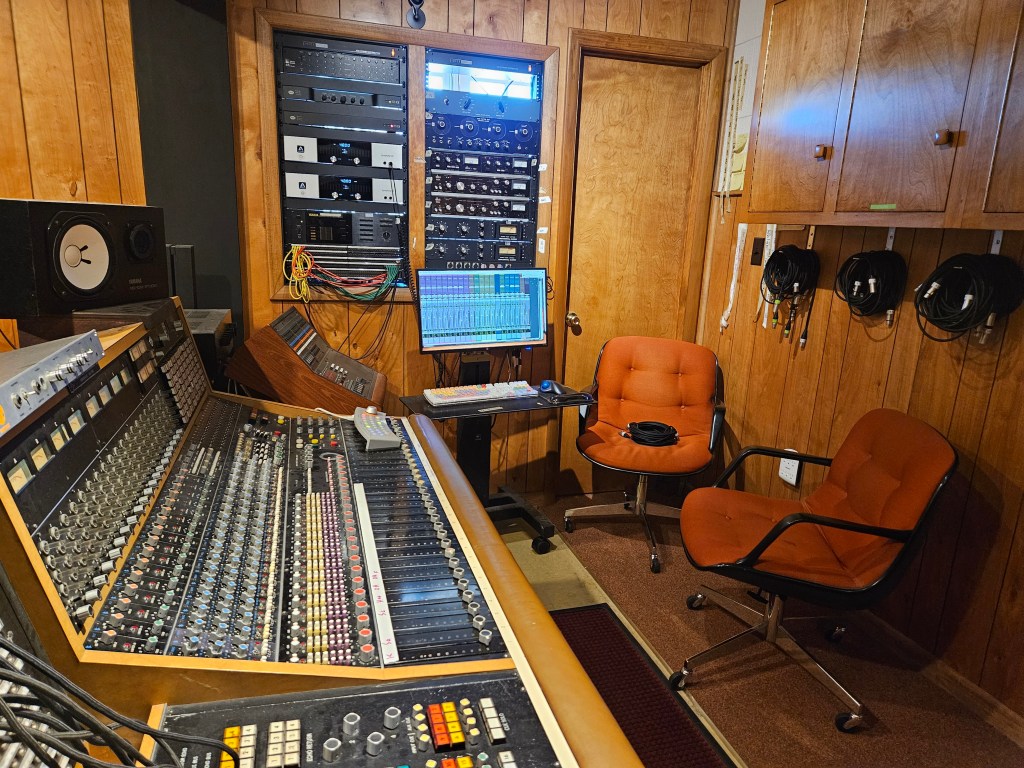
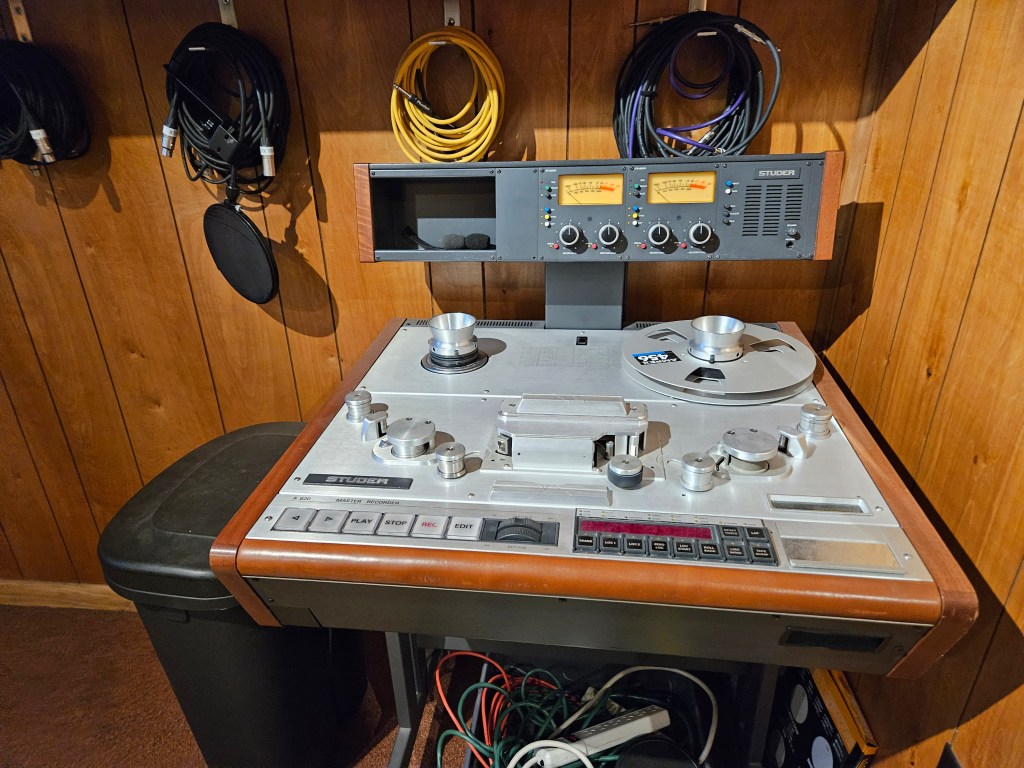

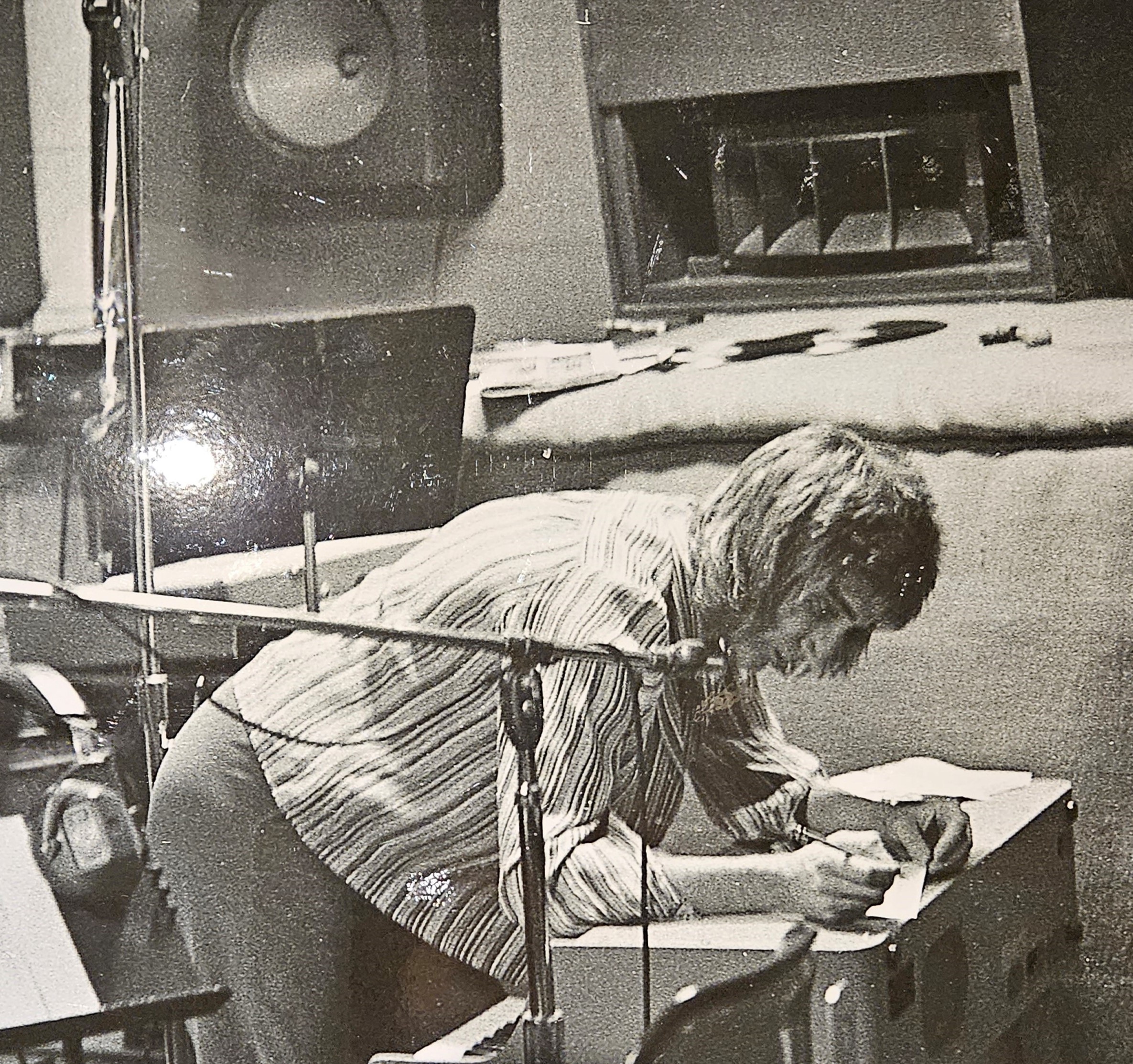
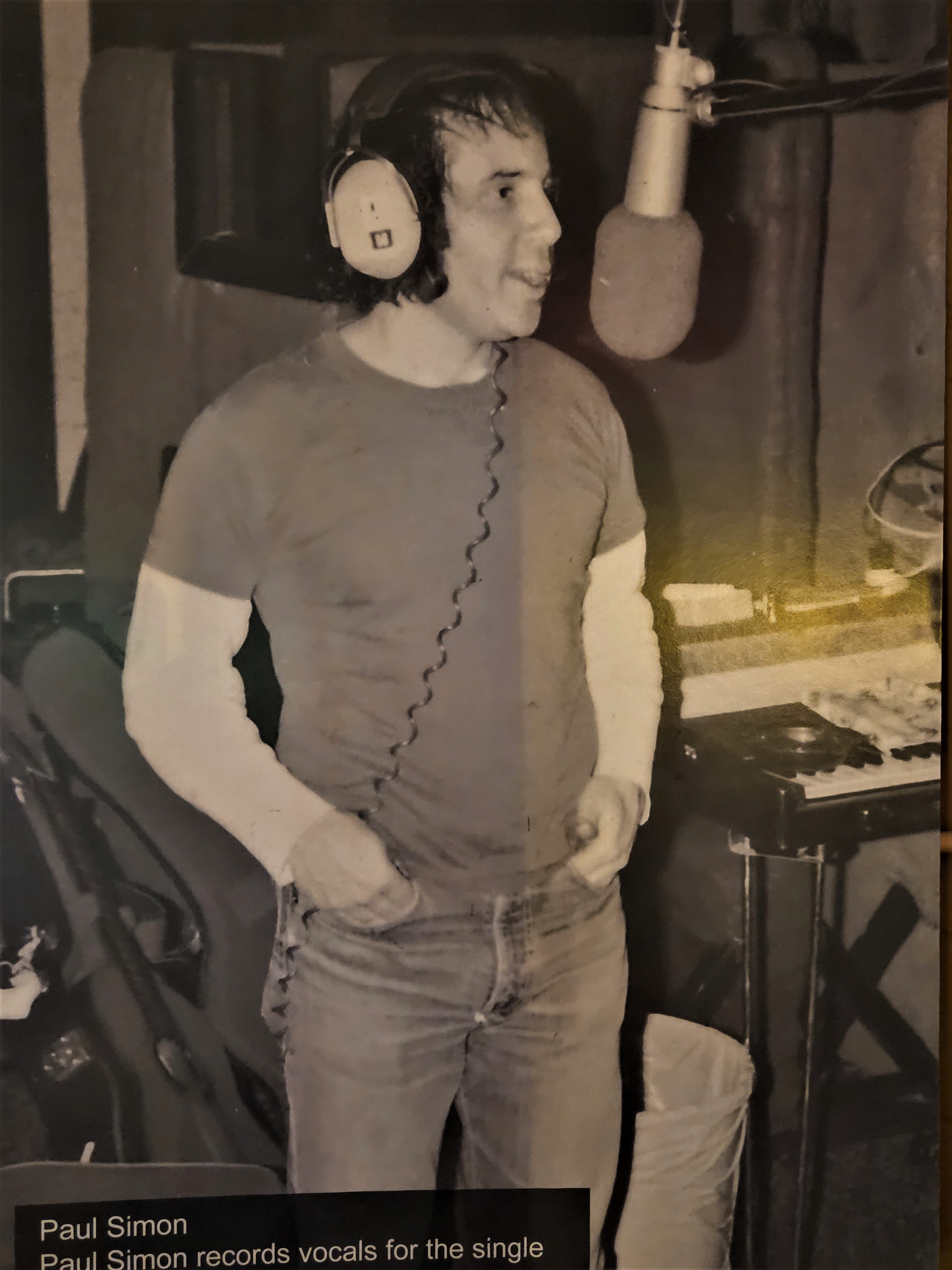
Mick Jager, Rod Stewart and Paul Simon were only a few of the song writers, musicians and vocalists that recorded here. Following the recording of Brown Sugar by The Rolling Stones, the studio was never given credit because at the time, when the band was touring the U.S., none of them had work visas.


 Traveling the Great Loop
Leave a reply to mjbrennan1965 Cancel reply