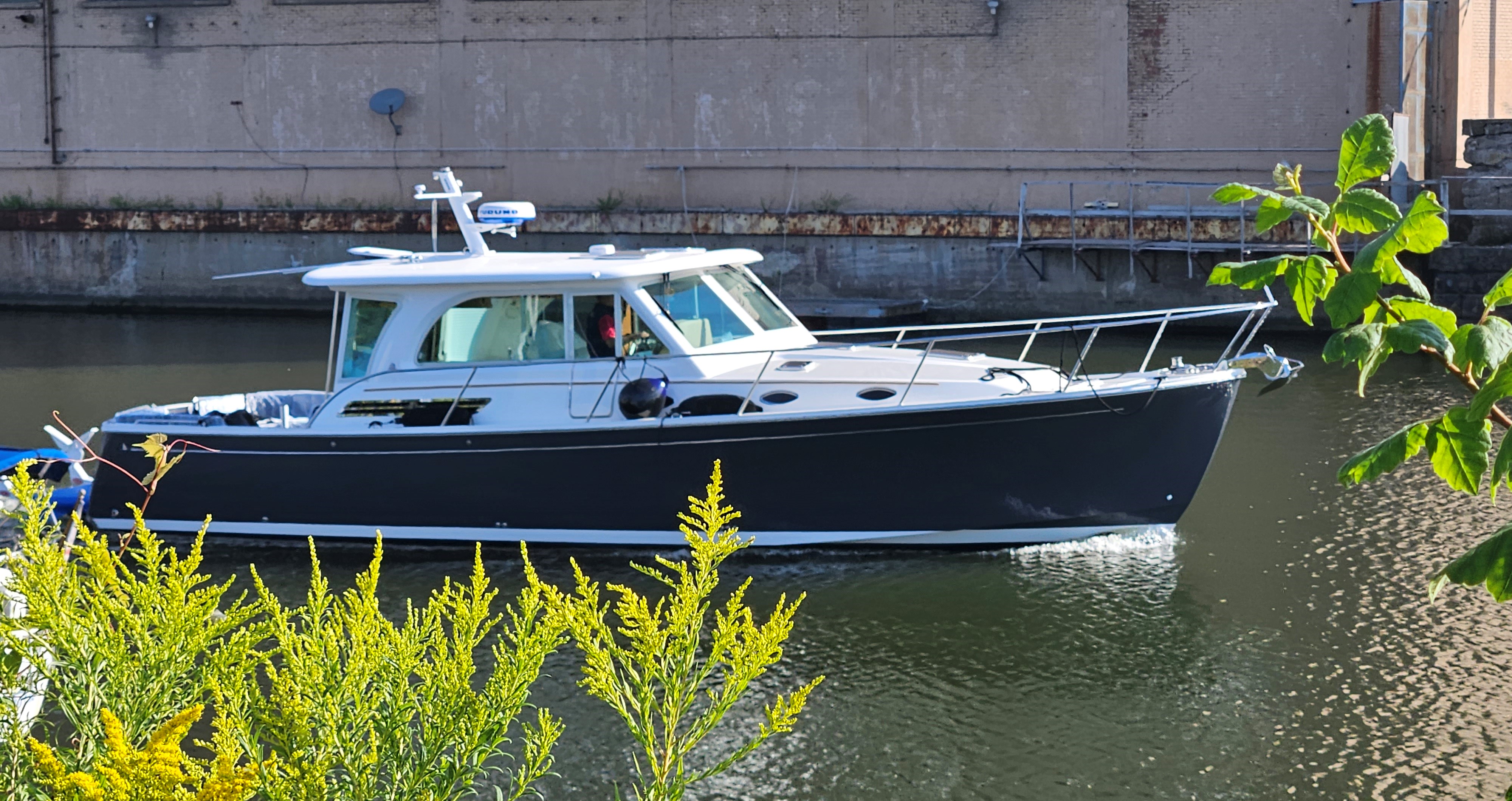
If you click on ‘reader’ in the top left corner of these posts, you can view them in a larger format.
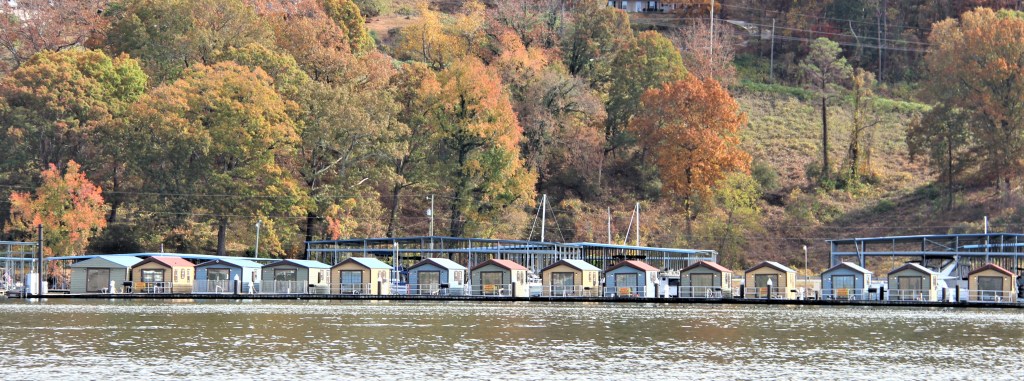
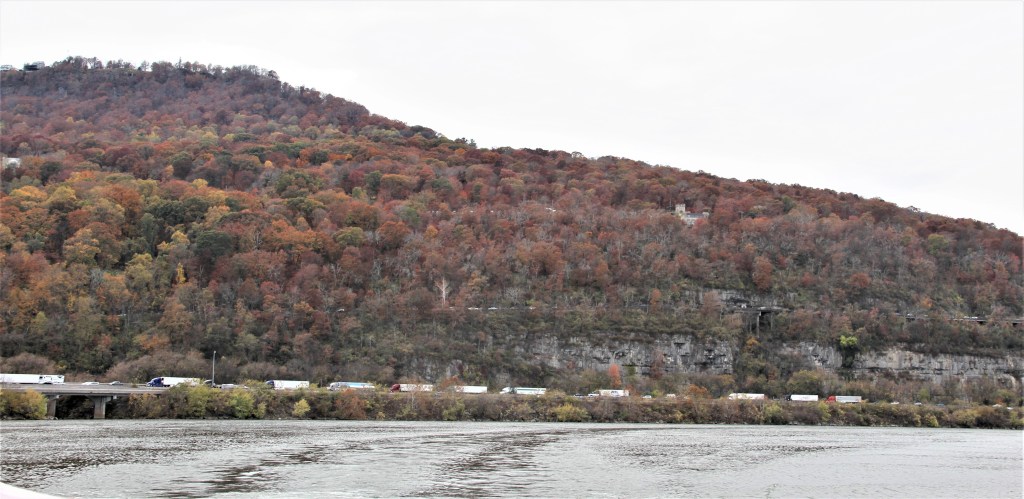
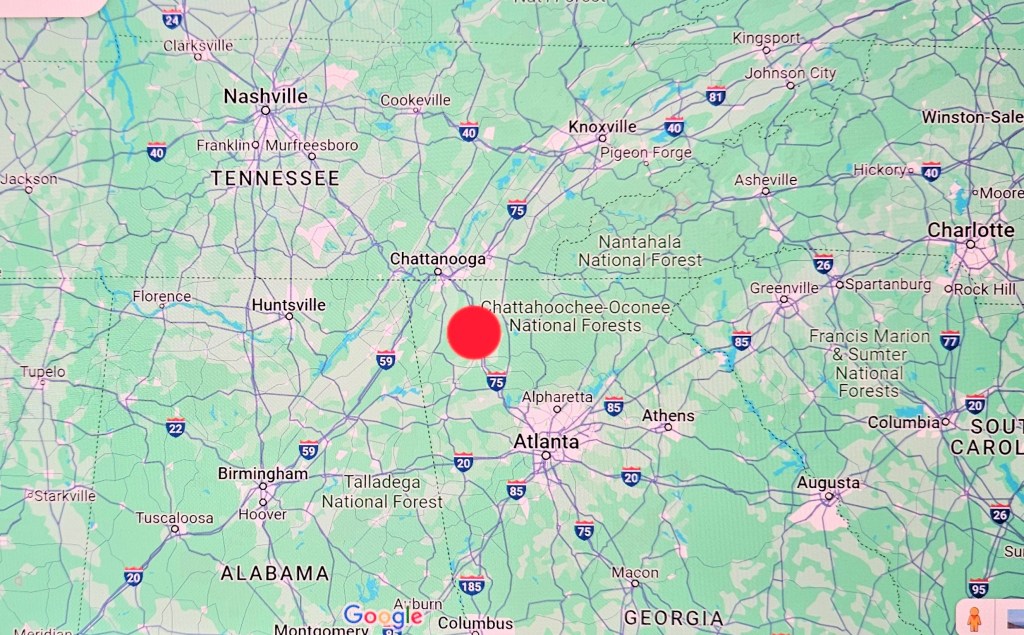
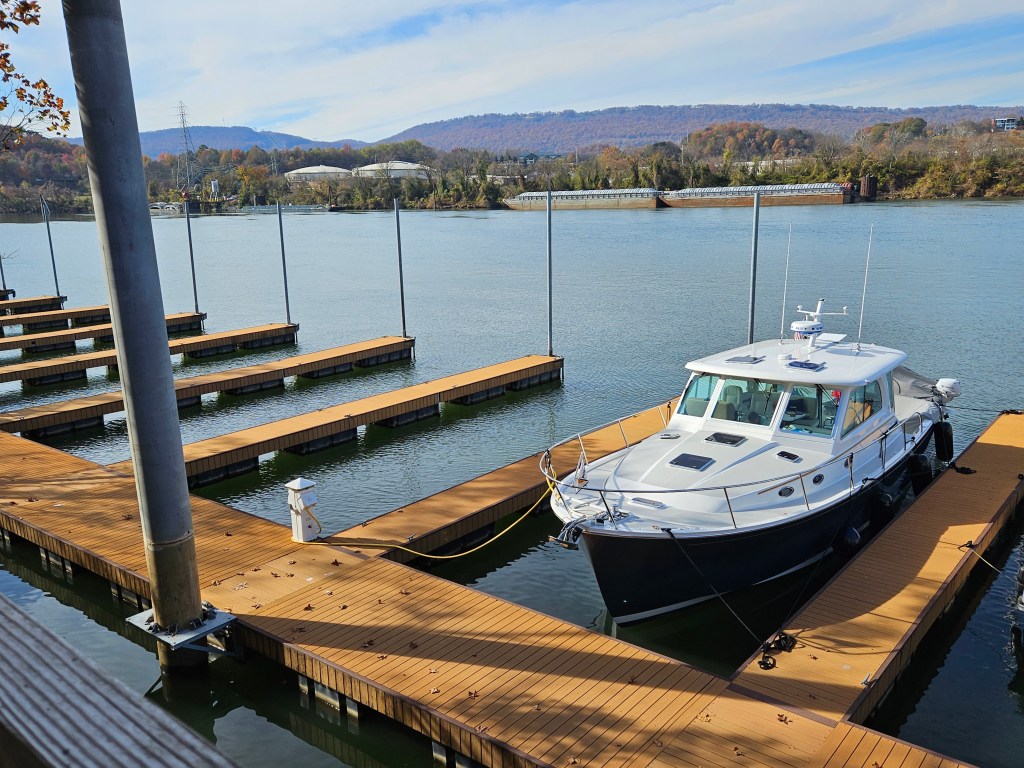
Before we pulled into the dock at Cameron Marina, we took on fuel at Erin Marina, (another riverside docking facility), where fuel prices were $3.97 US /gal.; the lowest price we had seen.
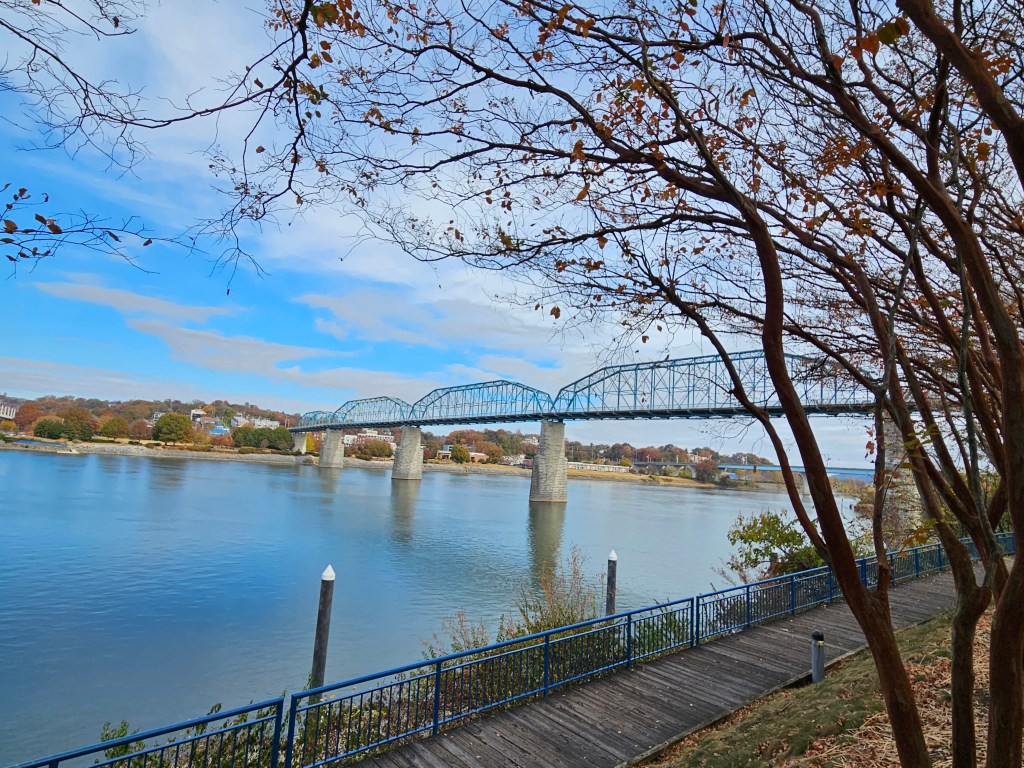
History; Ross’s Landing: 1815- 1826, John Ross, son of a Scottish father and Cherokee mother, owned and operated a ferry near where the pedestrian bridge is today.
When settlers arrived, Cherokee tribesmen foresaw they would need a spokesperson to communicate with Anglo Americans. Ross was educated, had white complexion, and could speak English. These qualities, plus the ability to navigate the legal system, resulted in Ross being elected chief tribesman.
Two years later, the Indian Removal Act was passed, authorizing President Andrew Jackson, to forcefully grant acres of unsettled lands, in exchange for Indian lands within state borders. Ross took the case to the Supreme Court and won. President Jackson, however, pressured the Supreme Court to enforce their decision. But the Supreme Court was without armed forces and President Jackson had the backing of the U.S. army. This resulted in an illegal treaty being signed allowing for 7 million acres of Tennessee state land, to be substituted for 7 million acres in Oklahoma, plus five million dollars.* Hence, native American Indians, across the United States, were rounded up, kept in interment camps at Ross Landing and either moved to Oklahoma or forced to walk 800 miles to their new homeland. The walk, is now called The Trail of Tears. A series of bronze plaques near the river, retell this history.
*The book, Killers of the Flower Moon by David Grann, and recently released movie by the same name and directed by Martin Scorsese, retells the story of murders inflicting the Osage tribe in Ohio, years after they had been displaced from their homes.
By 1939, under the influence of Anglo-American settlers, Ross Landing became an important port on the upper Tennessee River. When Chattanooga was chosen as the northern terminus of the Western and Atlantic Railroad, cotton and corn was transported to Ross Landing by flat boats. The boats were then broken up for lumber and floated down the river to the sawmills.
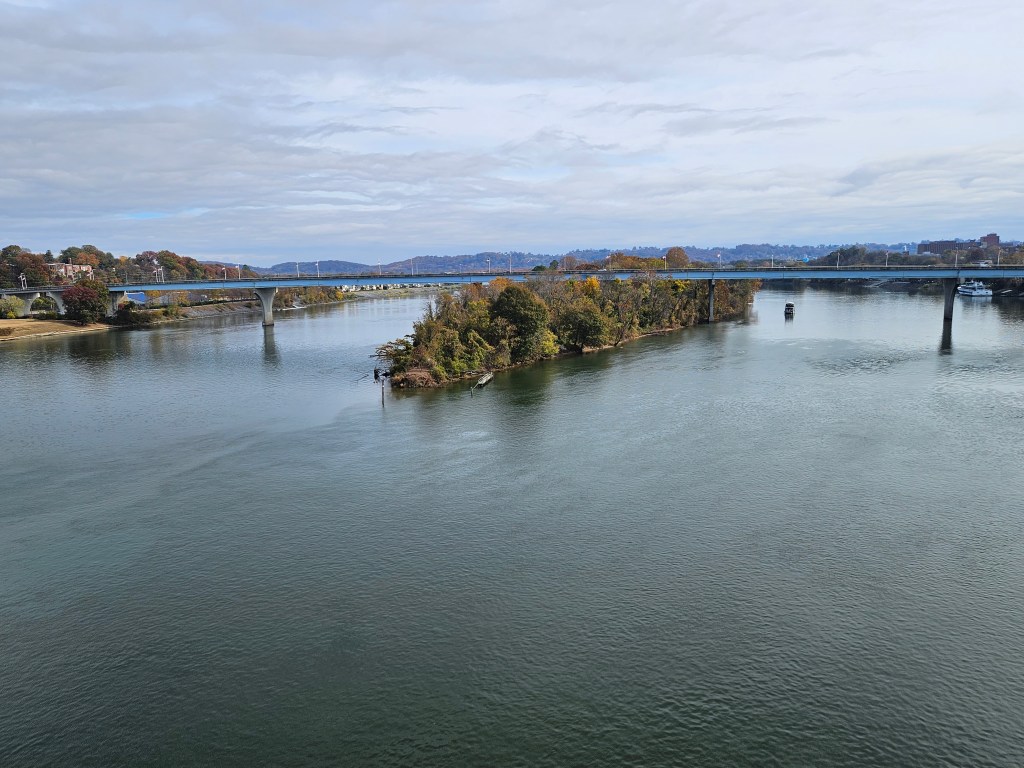
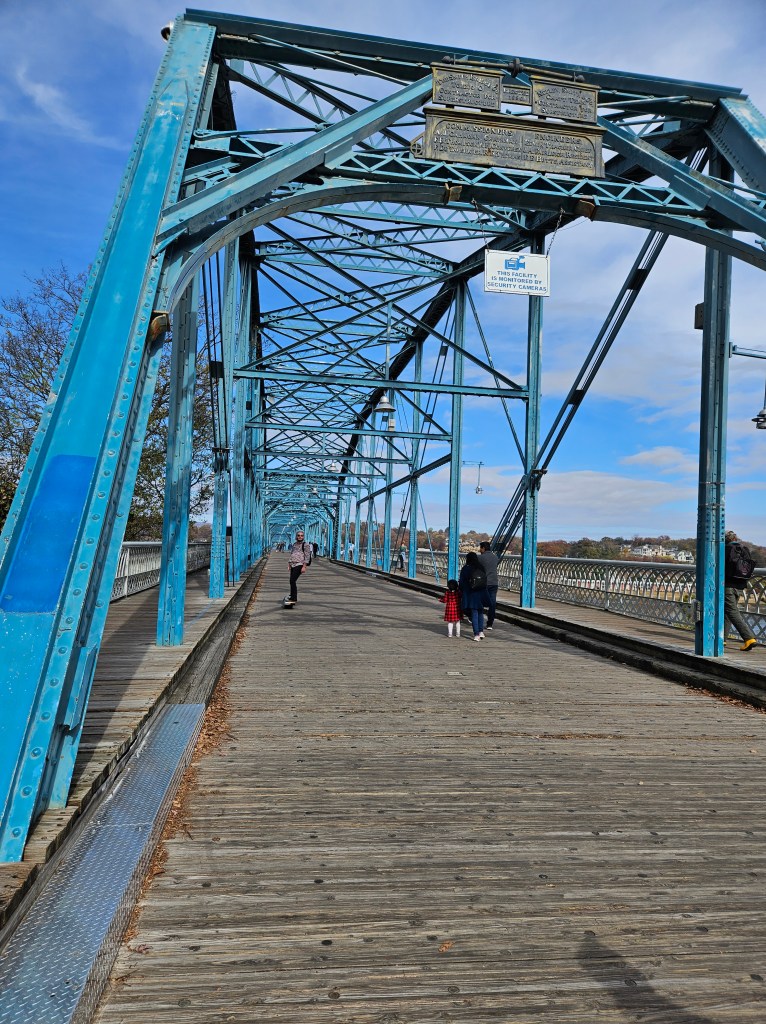

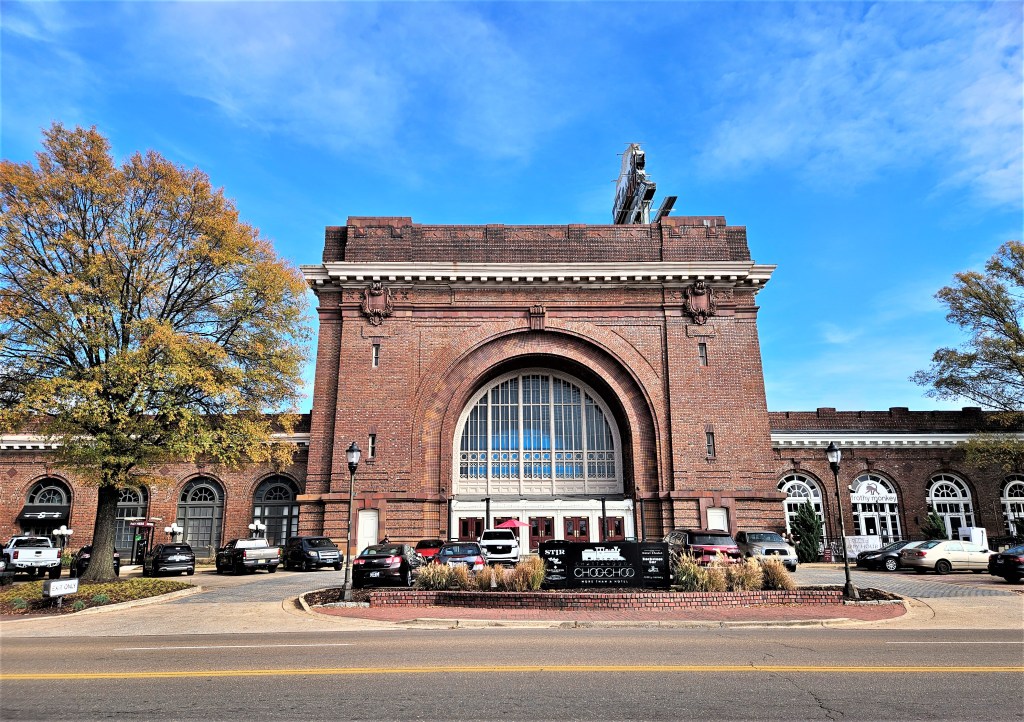
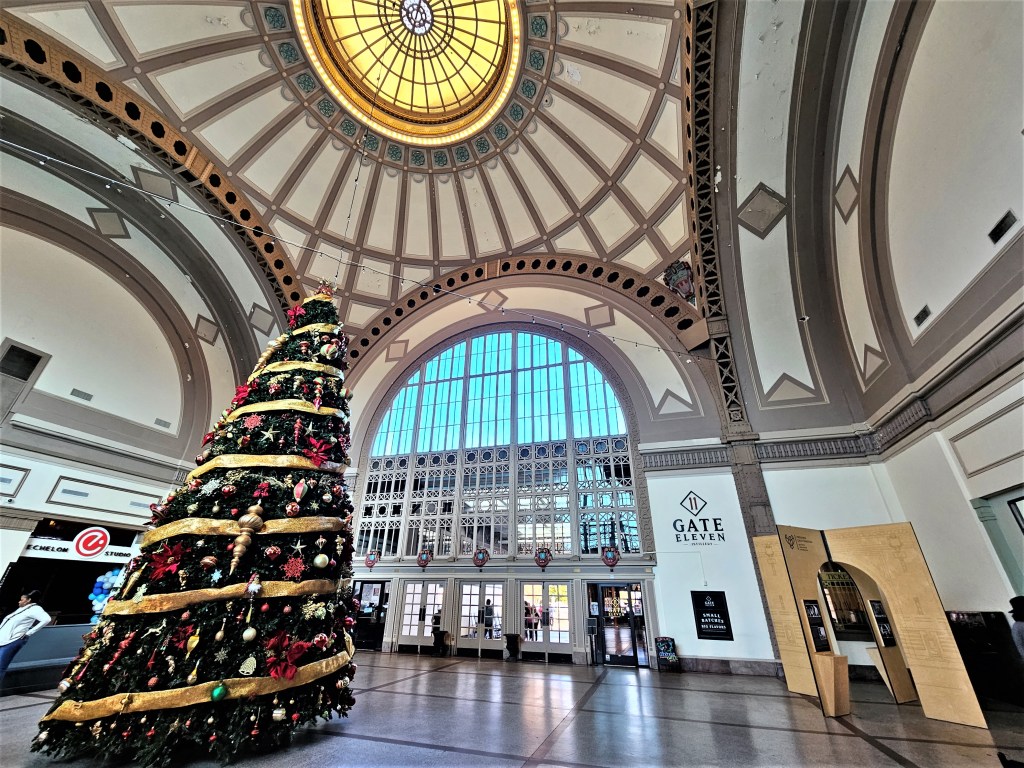
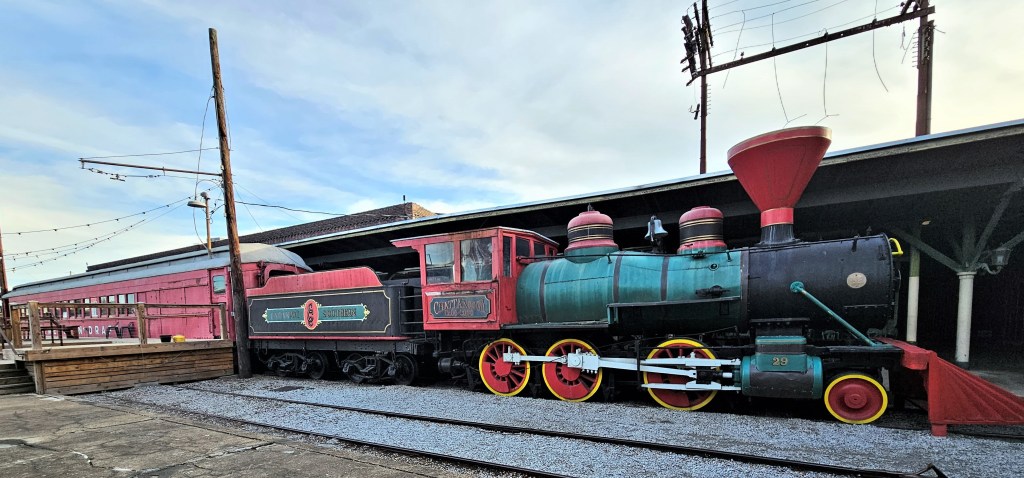
When the Japanese bombed Pearl Harbour, (Dec 7, 1941), thousands of troops passed through this station on their way to fight World War II. It would be the last time many families would see their loved ones. On that December day, according to our trolley tour driver, Glen Millers’ song, the Chattanooga Chocho, became the number one song in the nation and the first gold record ever made.

With steel mills, textile mills, factories, foundries and coal fired furnaces, emitting pollutants into the air, Chattanooga was declared, the “worst city in the nation for particulate air pollution” in 1969. (Chattanooga sits in a bowl-like location, surrounded by mountains whereby pollution could not escape.) When the clean air act past in 1970, much of the industry shut down or moved overseas. The economy plummeted and crime increased.

Chattanooga Notables:
The first Coco Cola bottling company began in Chattanooga. In 1889, two Chattanooga lawyers pitched the idea of bottling Coco Cola to an Atlanta druggist (A.G. Candor), who had earlier purchased a portion of the drink’s patent from the inventor. Persistent, the lawyer-entrepreneurs, including one named, Lupton, convinced Candor, who thought the drink should remain a fountain drink, to sell them exclusive rights to bottle the drink. The rights were sold to them for one dollar each. Within 20 years, with the help of a third investor, they established, Bottling Company of the US. Candor demanded the rights be returned. He took the case to court, but the courts decision was the bottling company had indeed, exclusive rights to bottle Coke. A 4th person, George Hunter, joined the bottling group, and helped grow the company into a successful business. Today, the Hunter family continues to generously support Chattanooga’s Arts programmes.
Jack Lupton, grandchild of John T Lupton Sr., and heir to the Coca Cola Bottling Company, sold the rights to the company for 1.4 billion dollars, (1986). His legacy continues to support the arts in Chattanooga and has donated 25 million dollars to the University, and raised 50 million dollars for the city to build an aquarium which lies near Riverwalk Park. Jack Lupton passed away in 2010.
Chattanooga Lookouts, a minor league baseball team since 1885; the Double-A team, is affiliated with the Cincinnati Reds baseball team.
Chattanooga Choo-Choos, (1940-1946), a minor league African American baseball team played their home games in Engle Stadium (built in 1930.) Among other famous players with the Choo-Choos: Willy Mays, while completing his grade 9 and 10 high school years. (1945, 1946). Jackie Robinson, the first African-American to play major league baseball, was involved with the first baseball game in Chattanooga when blacks and whites competed against each other.

Our touring continues:
One day, while Mike was down with a head cold, I took an Uber a few miles outside the city to visit Lookout Mountain and Ruby Falls.


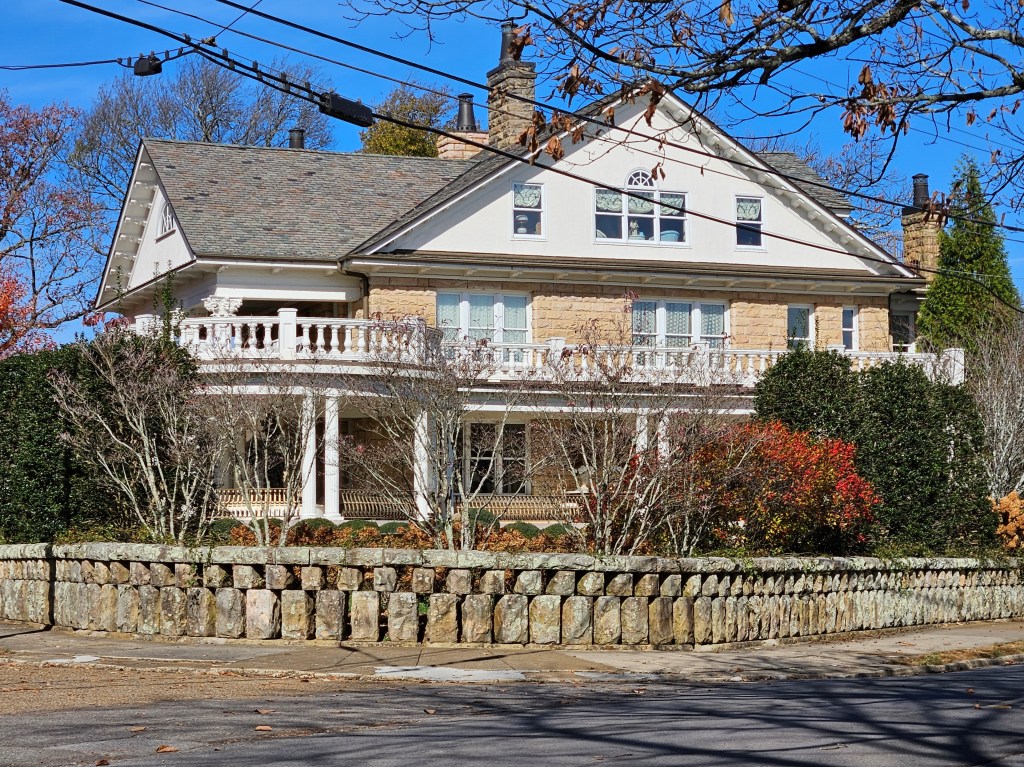

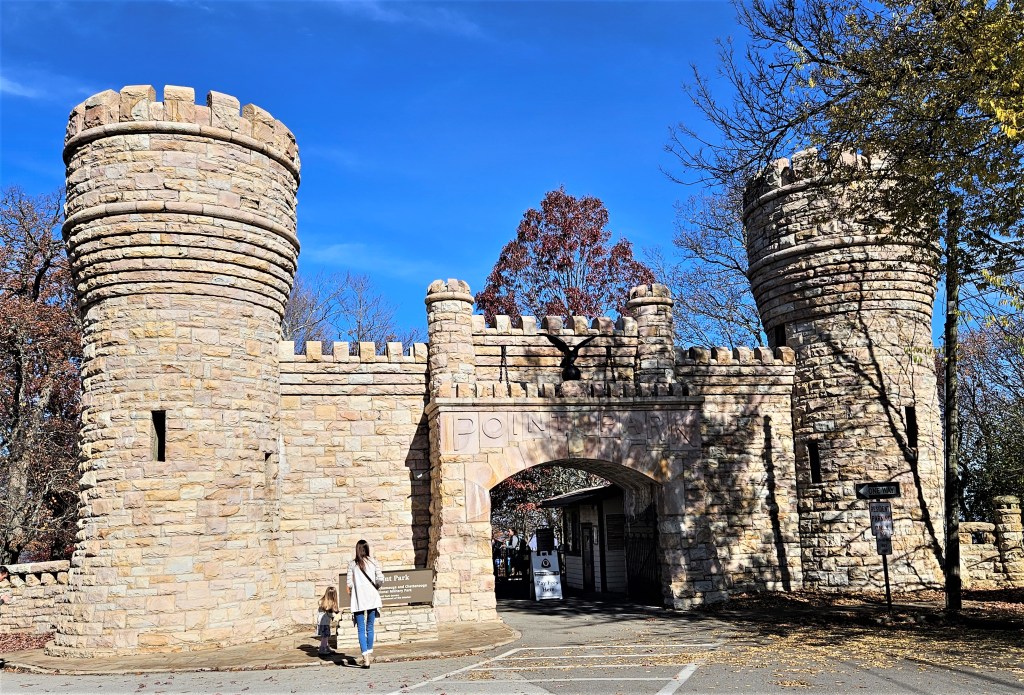

Chickamauga-Chattanooga National Military Park
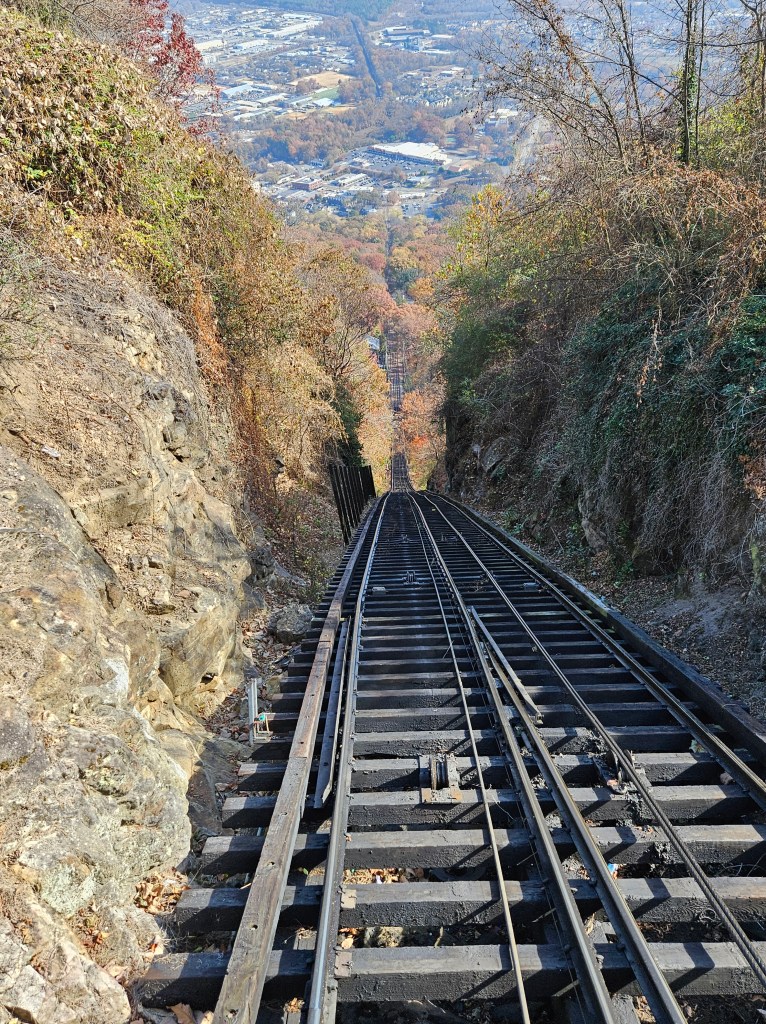
The small town of Chattanooga had 4 major railroads. In 1863, the Union Army planned to capture the town and cripple the Confederate’s main supply-line. Confederate soldiers needed to defend it. One of the battles that took place, was located on Lookout Mountain, an 85 mile /137km, narrow, long plateau, 1,800 feet/ 549 metres, above the Tennessee River.

From the river, access to the plateau, required navigating a 45-degree incline progressing to numerous feet of rockface. Today, visitors can see the cannons that were trudged up the mountainside and positioned along the edge of the plateau.
That battle became known as the Battle Above the Clouds. The Confederate forces were forced to retreat to Georgia and the Union soldiers took the city.
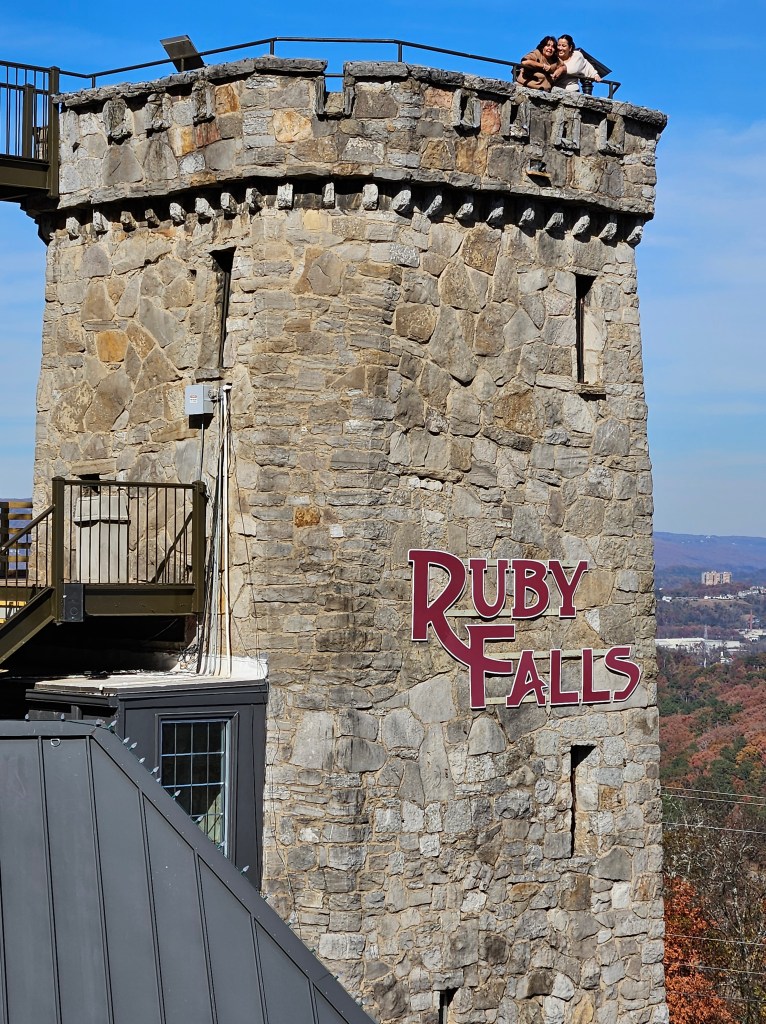
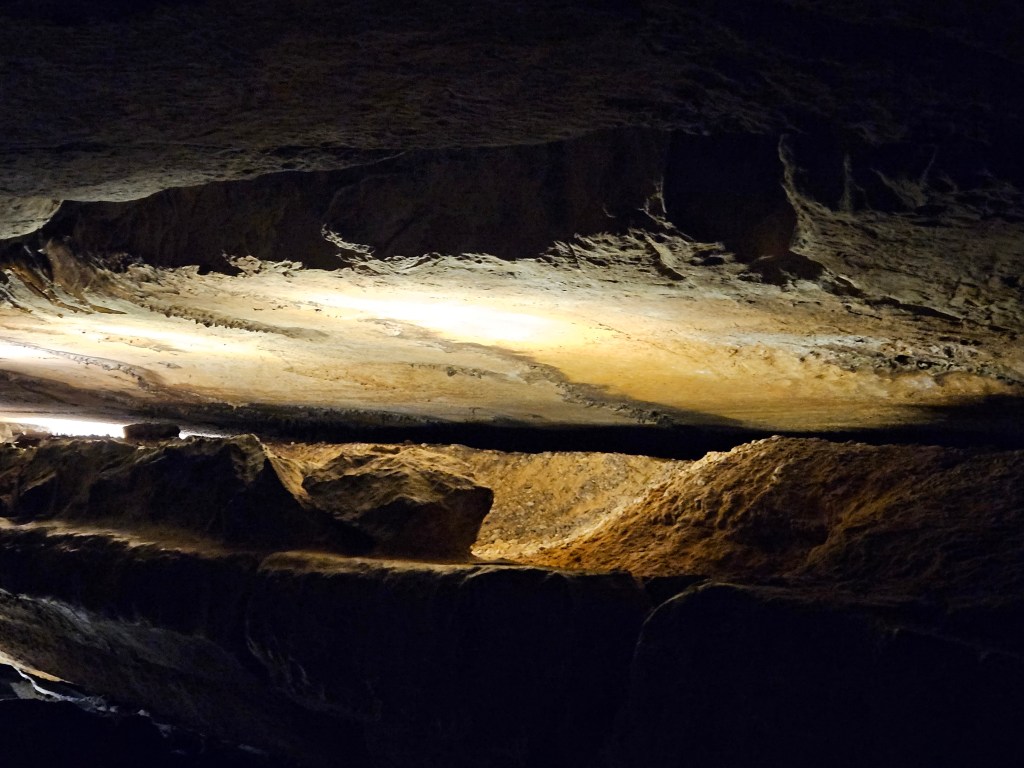
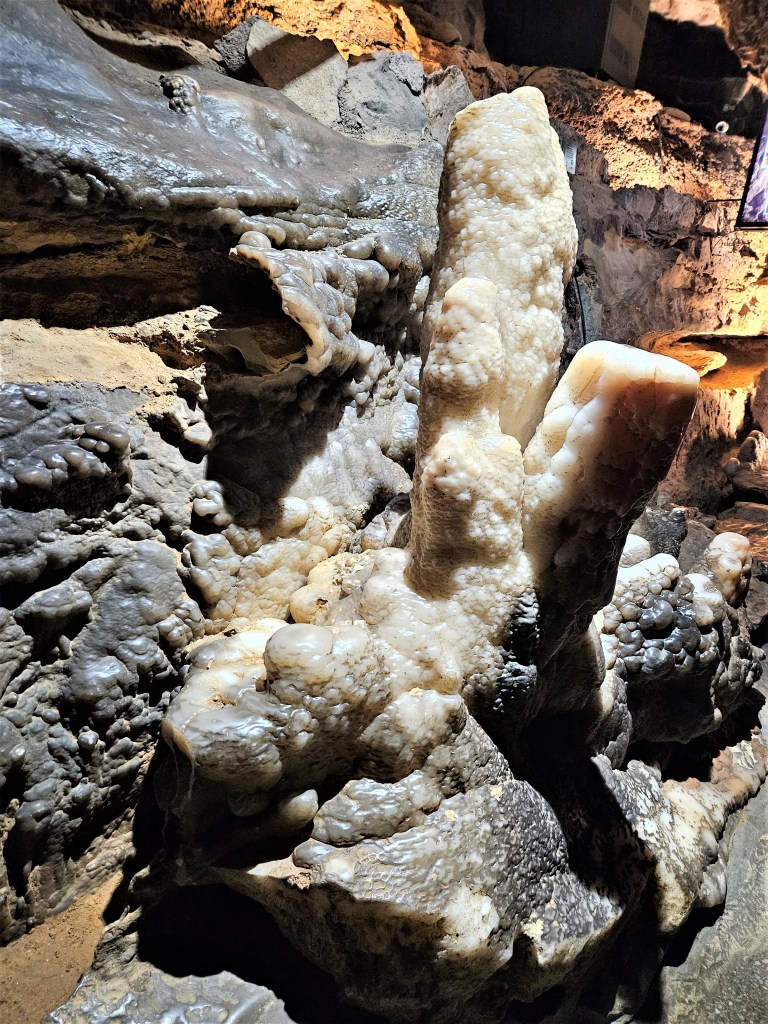
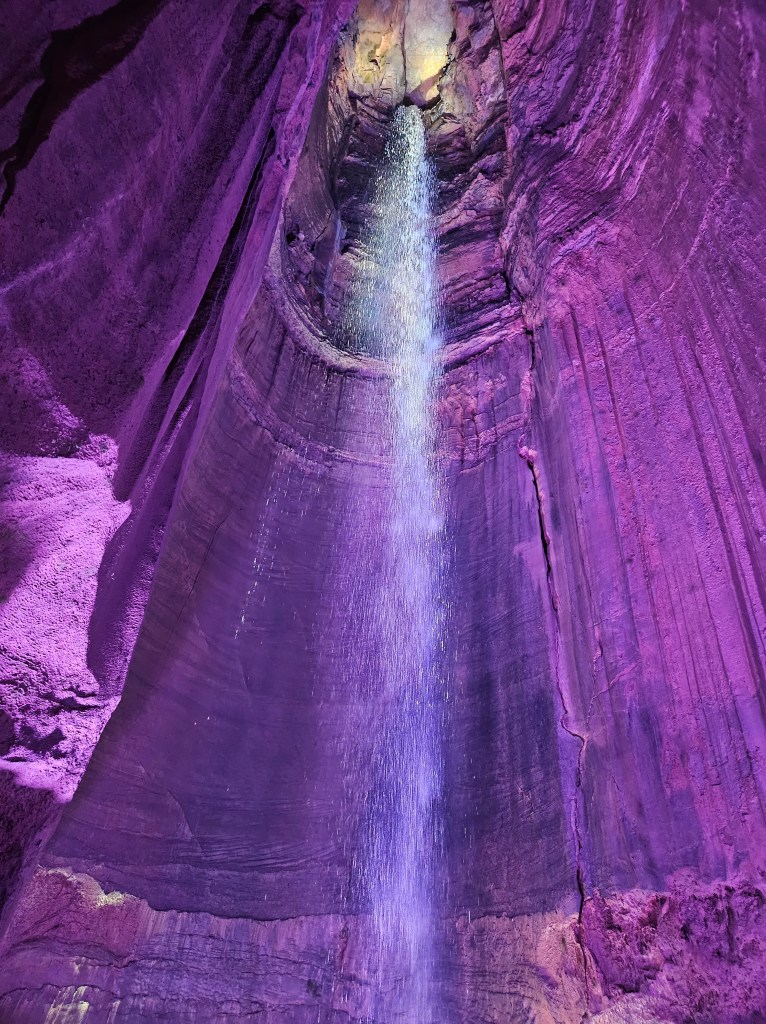
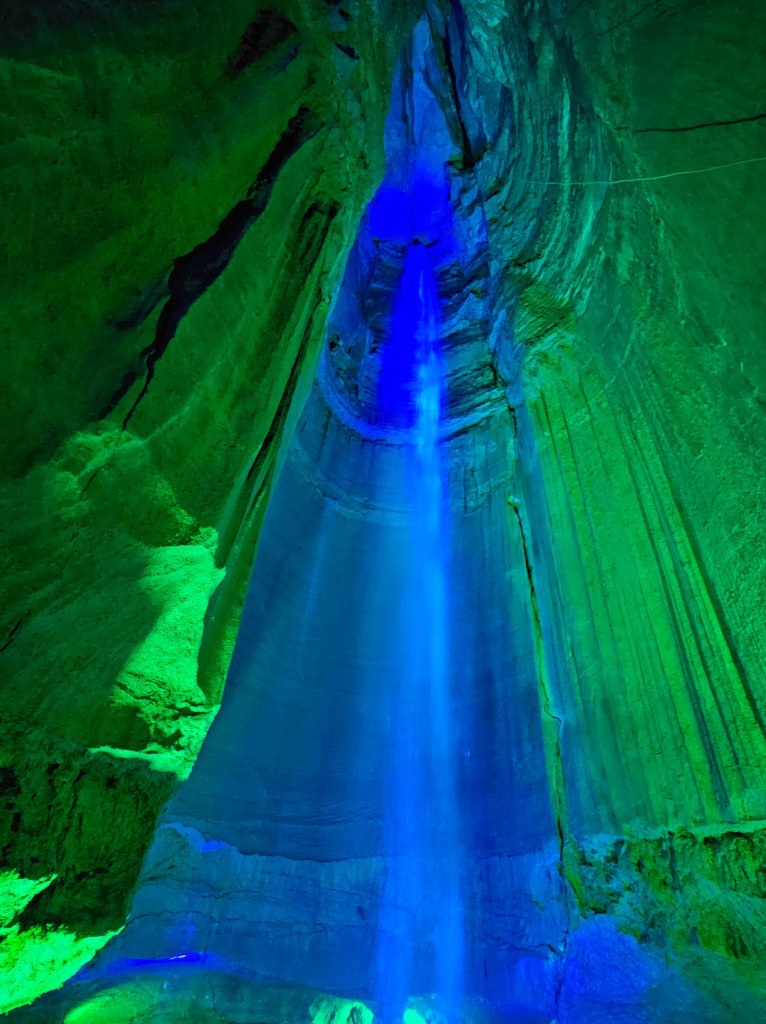
After riding the incline railway to the bottom of the mountain, an Uber took me to Ruby Falls, located halfway up the mountainside. Taking an elevator approximately 16 stories below the surface, I joined a small tour group whose leader lead us on a narrow pathway to the underground falls.
History: Part of the Southern Railway Company’s plan to build and expand the terminal in Chattanooga, (1905), was to increase the number of tracks at the base of Lookout Mountain. Inadequate real-estate at the base, required a tunnel to be dug through the mountain. During the building of the tunnel, an opening to a cave was discovered, but during construction, the opening was filled in.
11 years later,( 1928), Leo Lambert, a cave enthusiast, had a vision for the cave to become a tourist attraction. Backed by investors, he purchased land above the cave. [While excavating an elevator shaft that would transport tourists into the cave, a passage opened into the falls. The cave lay at 420 feet/128 m below the surface],( info courtesy: Tennessee Encyclopedia.)





 Traveling the Great Loop
Leave a reply to phlbrwn Cancel reply