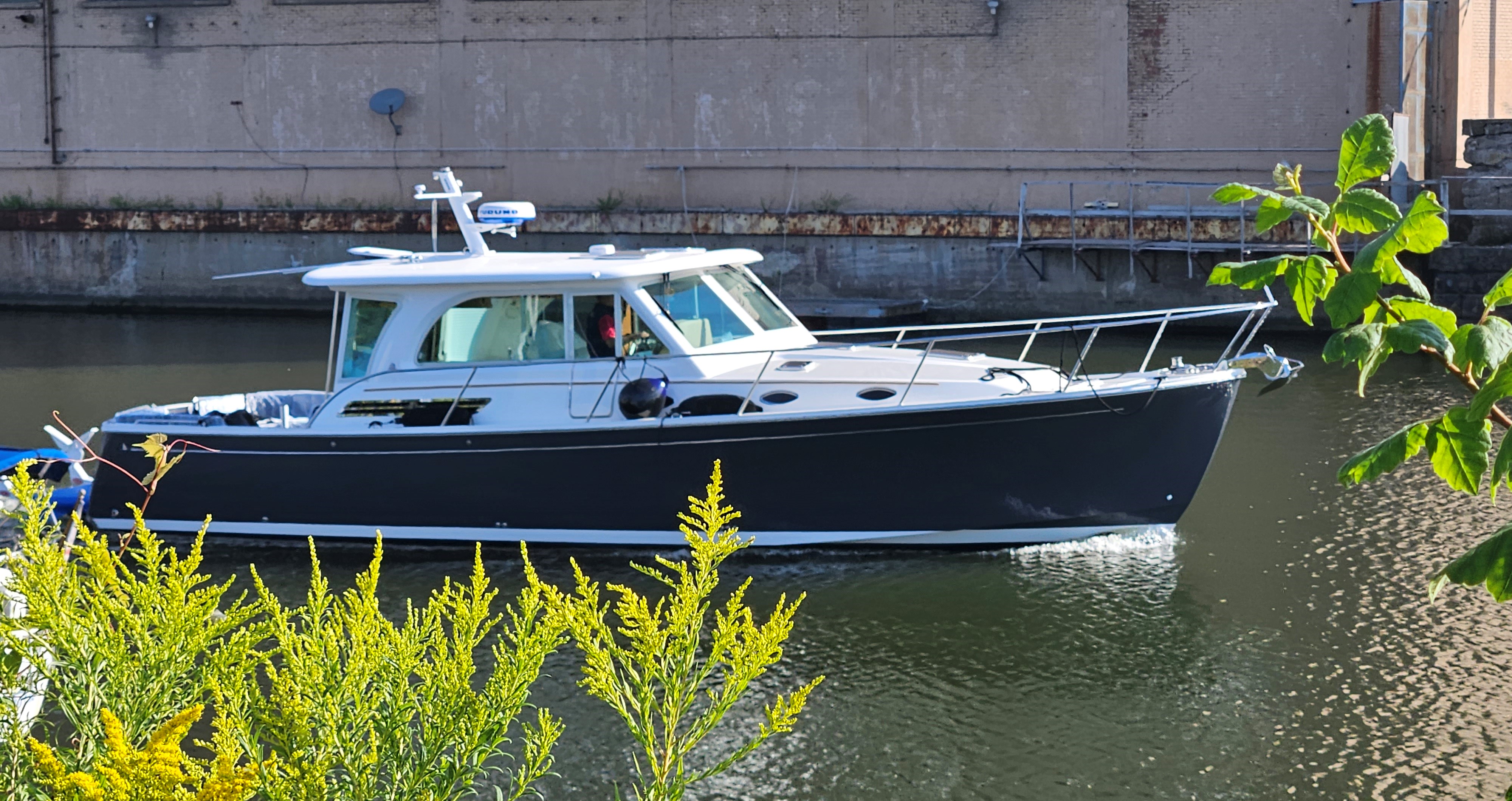
Nov. 19, mile 334; Day’s run: 41 mi.
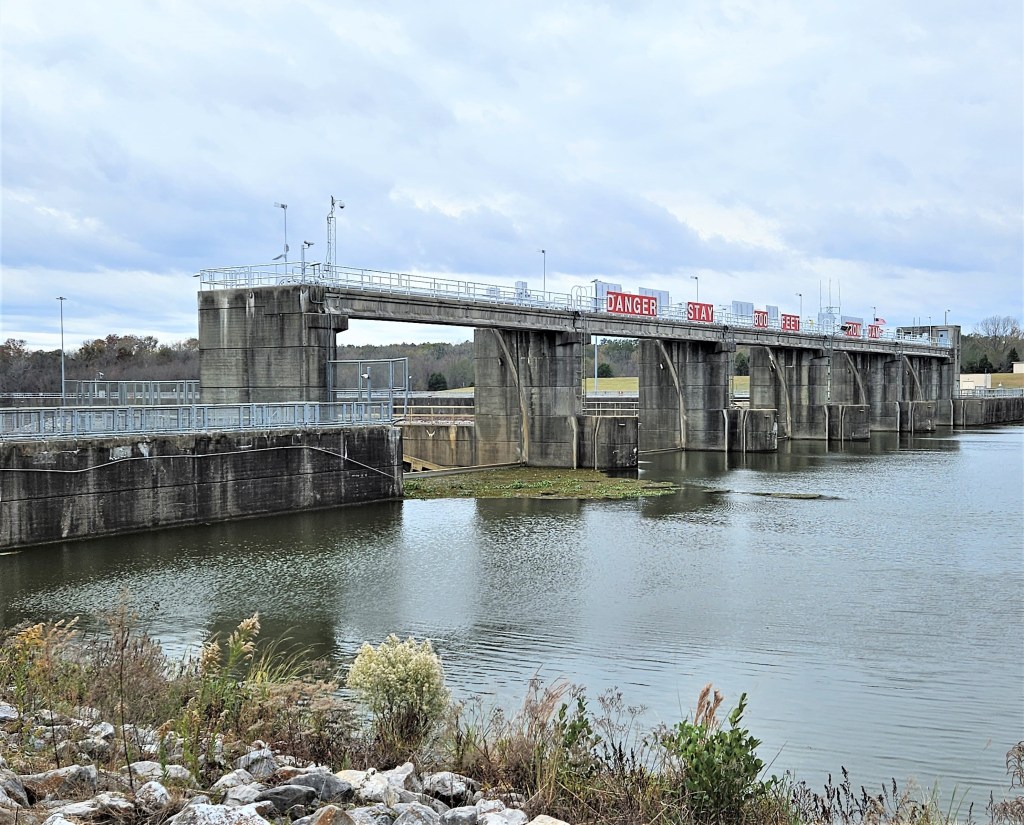
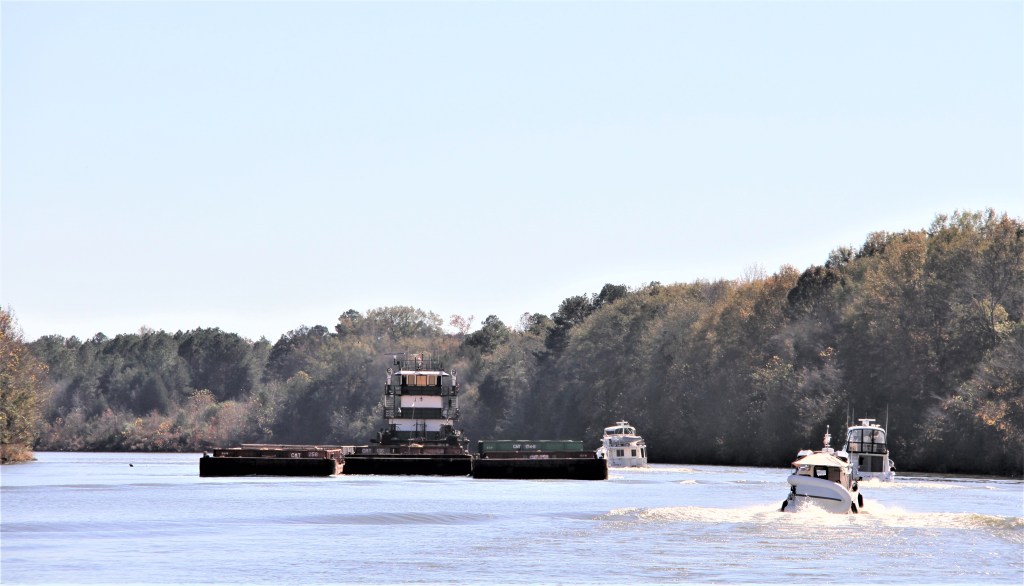
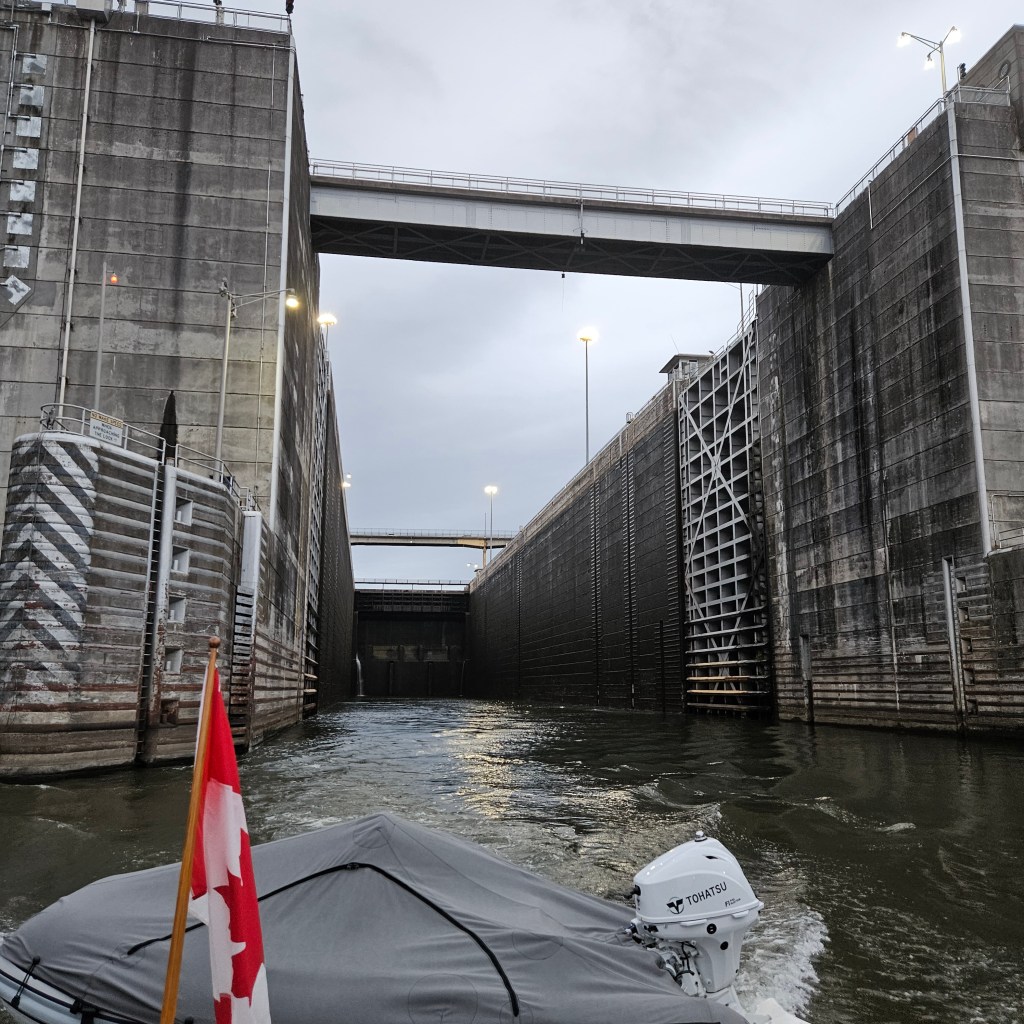
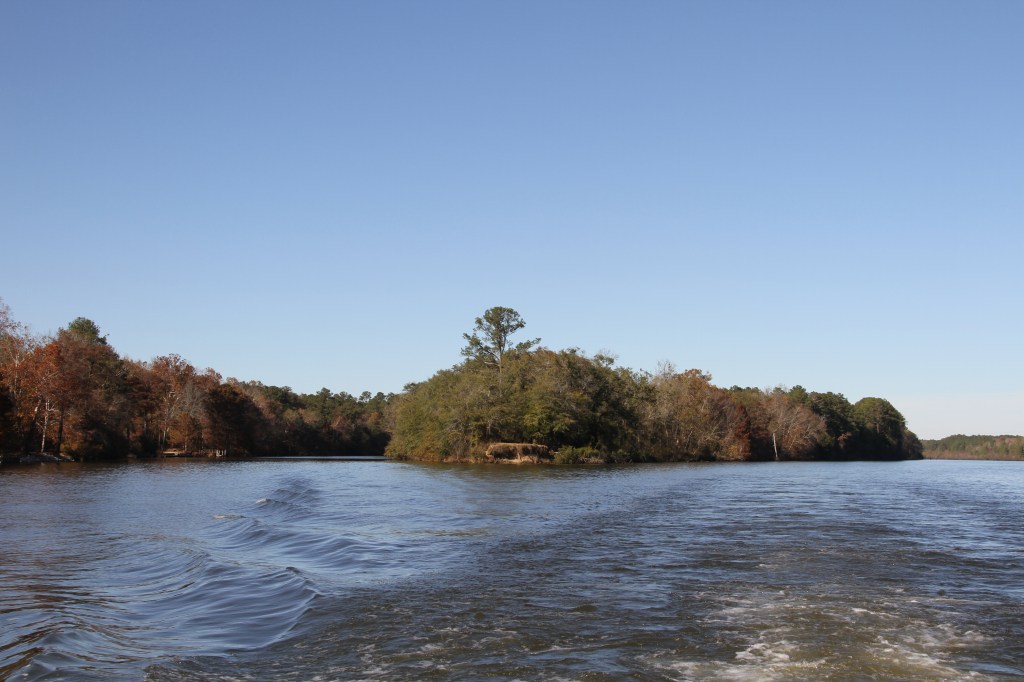
Over one hundred of years ago, there had been a vision to construct a waterway that would connect the states of Alabama and Mississippi, and run all the way to the Gulf of Mexico. The Waterway would be part natural river, artificial lakes, bypasses to skirt where the river twisted and turned, and 10 locks that would provide a lift of 341 feet/104 metres. For certain inland ports, it would save over 800 miles. Running all the way to Mobile, Florida, it would join the 1,300-mile Gulf Intracoastal Waterway. The vision, the Tombigbee Waterway, way was completed in 1985.


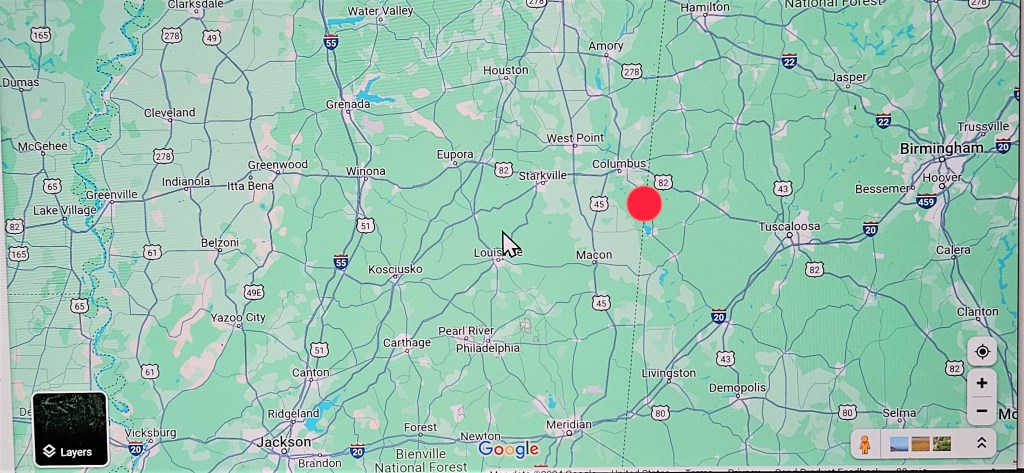
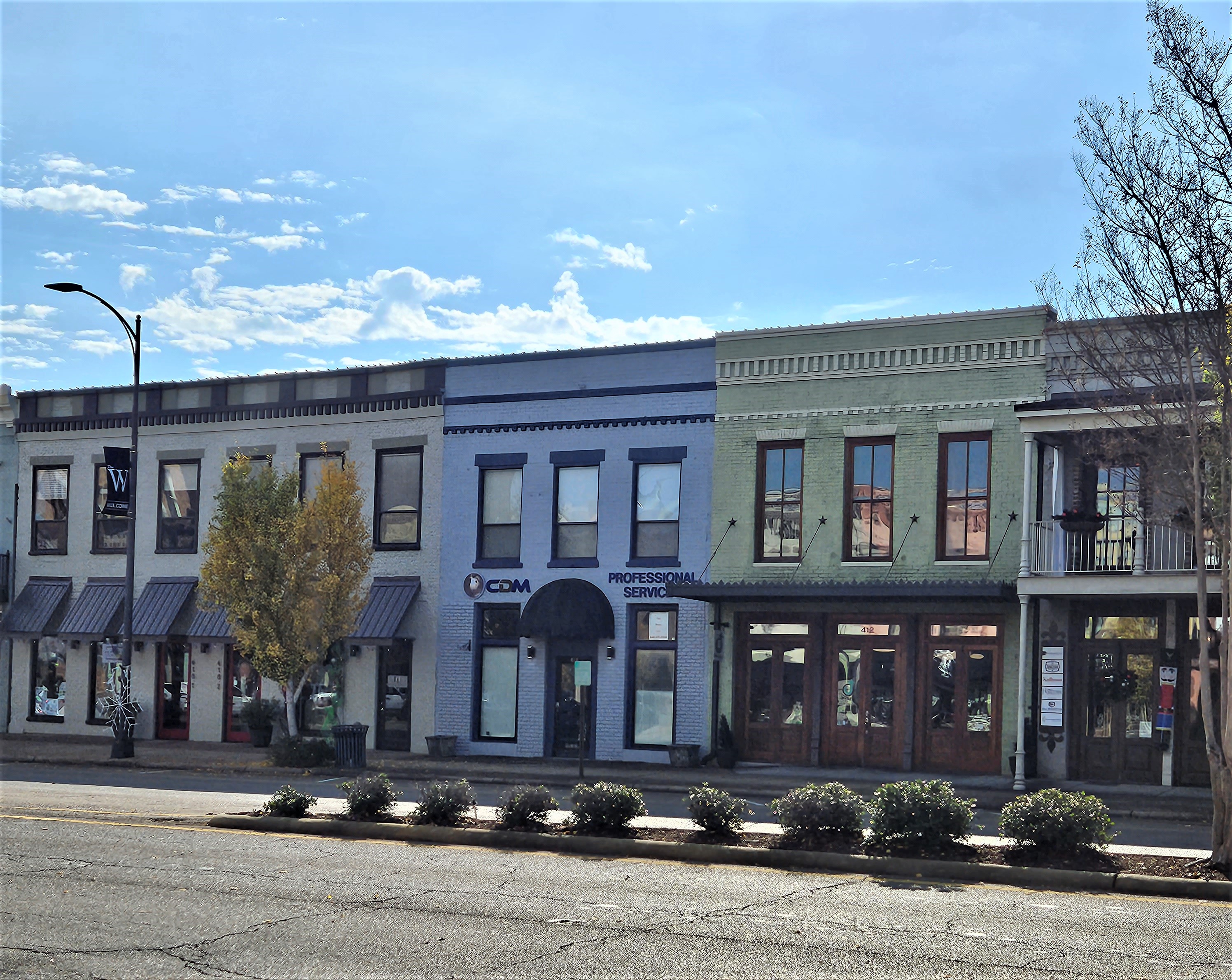
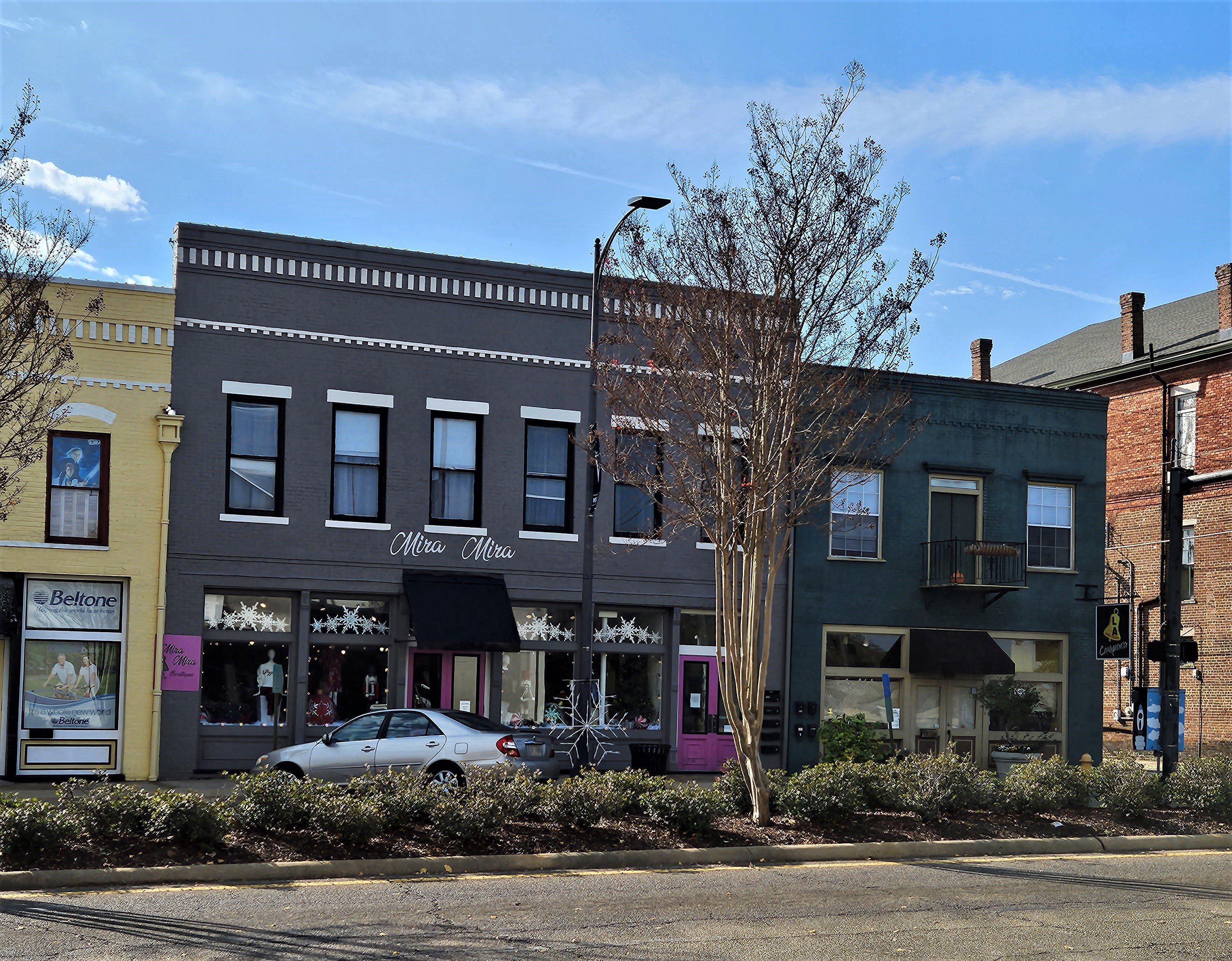
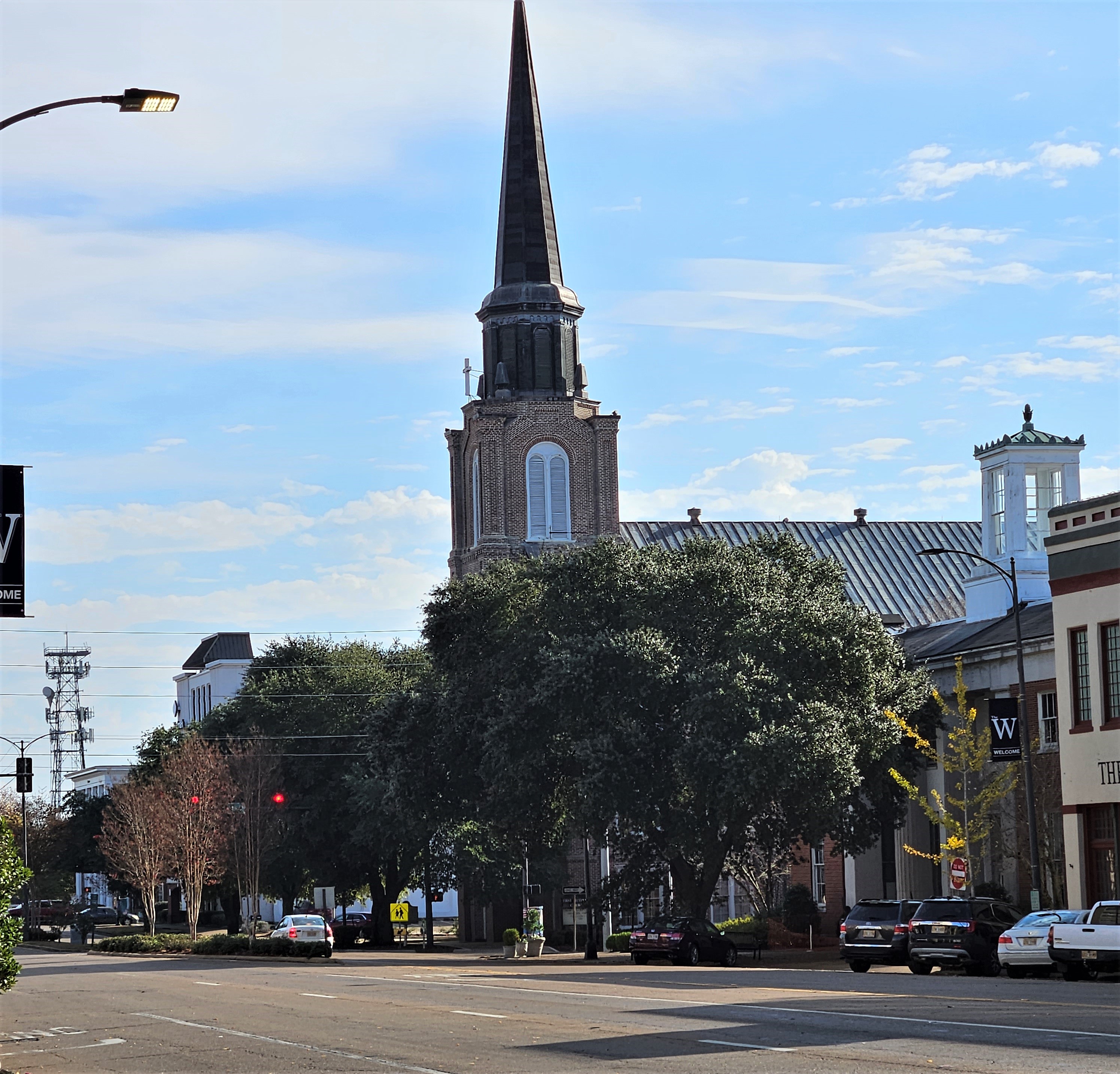
History: When Andrew Jackson ordered a road be built to connect Nashville with New Orleans (1817), a bridge was built across the Tennessee Rive (now Tombigbee River) near where Columbus is today. The town that developed there, was named Possum Town by Native Americans who thought the trading post manager resembled a possum. The name, Possum Town, translates to ‘Columbus’ and today, locals affectionately refer to the town using this name.
Columbus is the county seat for Lowndes County. Population is approximately 23, 500. We didn’t see much of the town because we were allowed the marina’s courtesy car for 2 hours, and we needed to do a grocery shop. Apparently, there are several antebellum homes in the town, spared by the Union Army’s destructive ritual of burning plantation homes, because the nearest the army came to the town was Jackson.
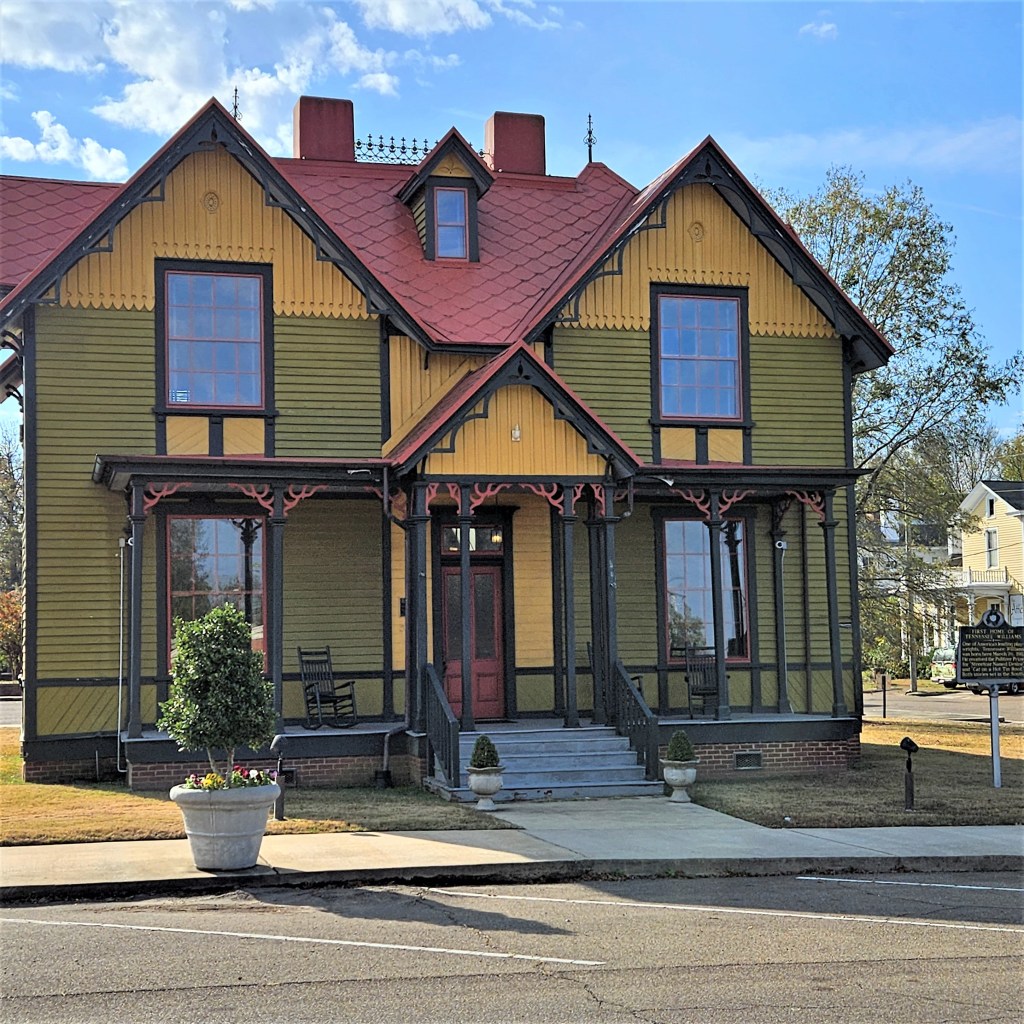
There is a strong sense of African American heritage in this town which began in the late 19th century in Catfish Alley, a narrow side street and centre of commerce and social life for early African Americans. Fishermen sold their catches, and set up cooking stations offering fresh cooked catfish sandwiches. Horse drawn carriages arrived full of vegetables and assorted homemade goods, to sell on a street lined with barber shop, laundry houses, druggist and vendors selling coffee to customers sitting at small wooden tables socializing and listening to street-side guitar players singing Blues. The Alley was known as a hotbed of blues, jazz, and soul music in Northern Mississippi. Most well known were Howlin’ Wolf and Big Joe Williams whose reputations attracted early Blues guitarists, BB King, Duke Ellington, Little Richard, and Louis Armstrong to name a few.
“Catfish Alley was remarkable for its easy mingling of races during an era when the south was rigidly segregated.” ( Courtesy of a town plaque).
Mississippi University for Women was founded in 1884. The College has gone through several name changes since its original name, The Industrial Institute and College, but the institution was the first public college for women in the United States. Today, the College is affectionately known as the ‘W’. The university first admitted men in 1982.
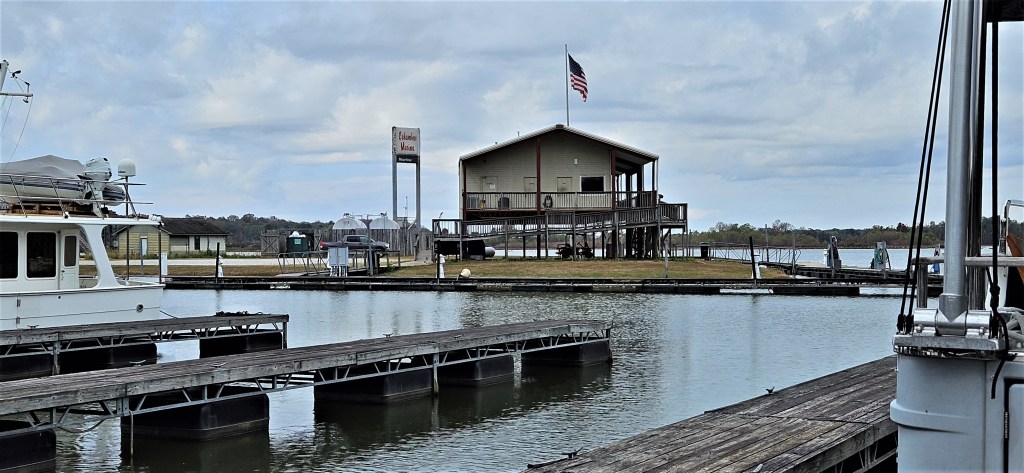
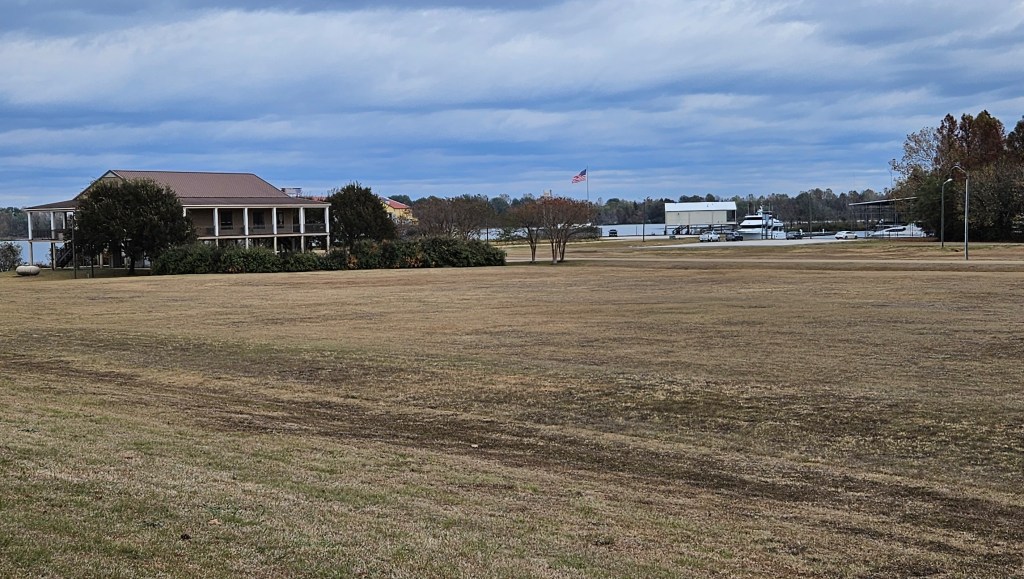
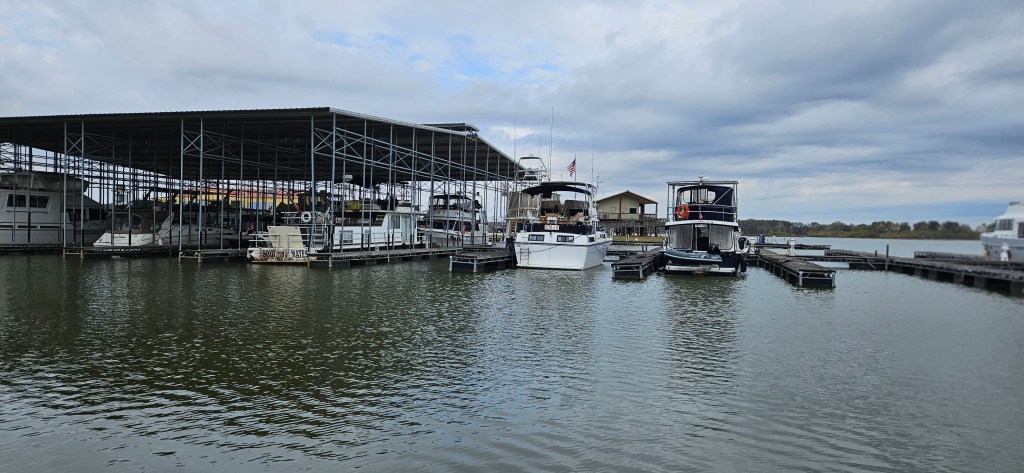
I asked the manager at Columbo Marina why prop planes were often seen flying overhead. He said there was an Airforce Base, a training centre for young pilots, nearby. What I was seeing, he said, were teenagers being trained to fly. “That’s why they chose this location, if one of them crashes, it will go down in a low populated area. I’m not sure how I felt about that. The Airforce Base is the main driver to Columbus’ economy.


 Traveling the Great Loop
Leave a reply to Pattie Brennan Cancel reply