Traveling the Great Loop

Join us as we travel North America's rivers, waterways, and canals; visit U.S. and Canadian cities, historical landmarks, national parks and river towns. We may even take you to the Bahamas.


Mobile River, Alabama to Gulf Coast Intracoastal Waterway

Nov. 25- Dec. 18; Mile 158; Day’s run: 99 mi (to the Wharf Marina )
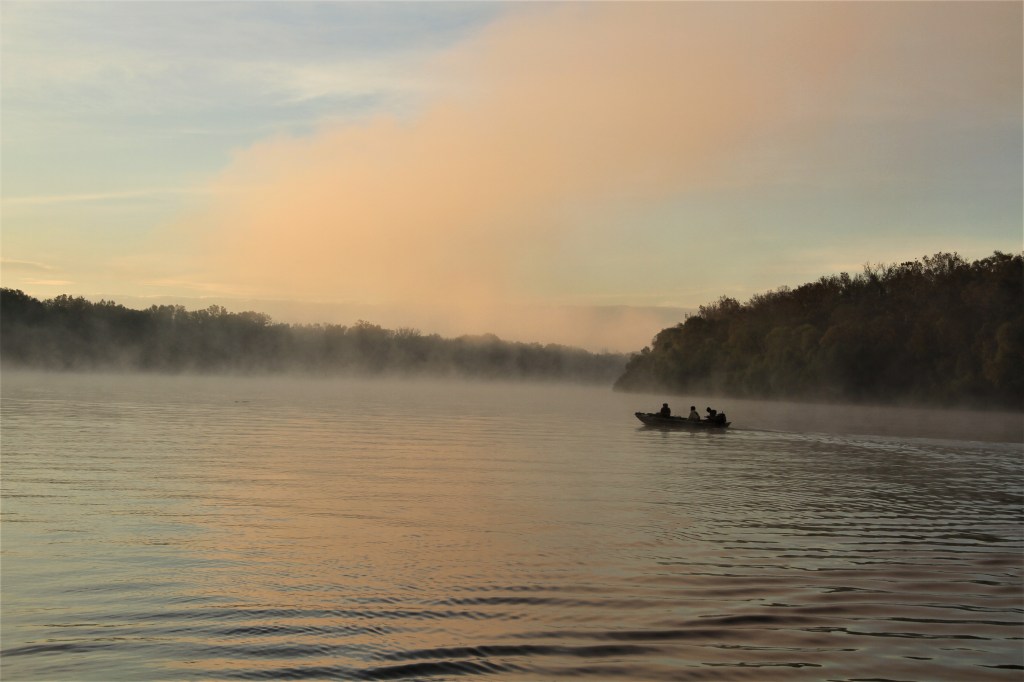
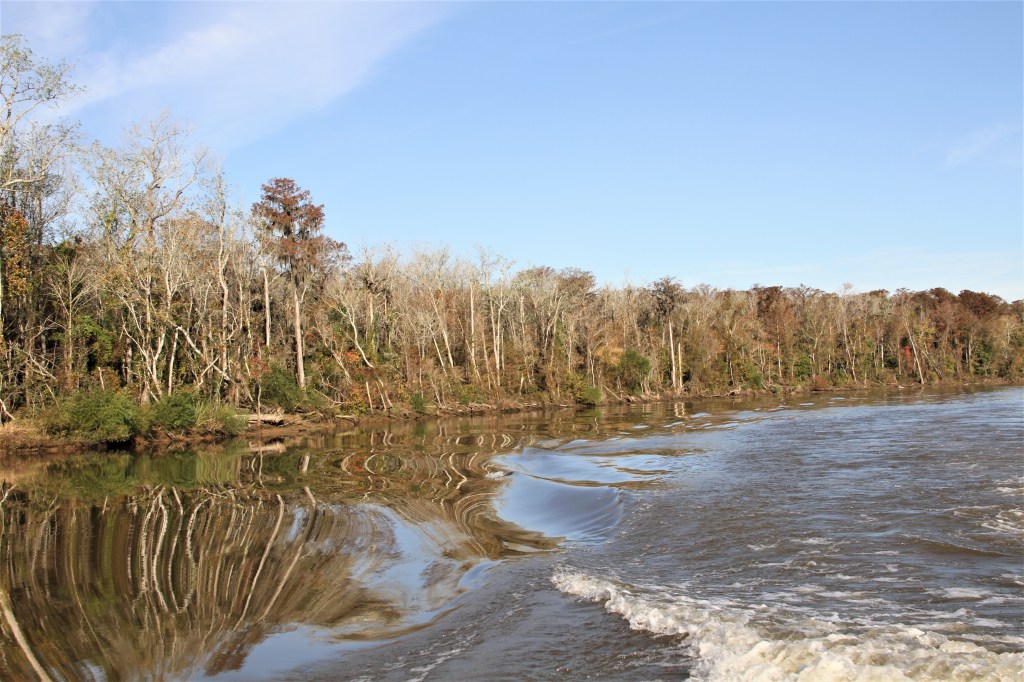
Leaving our overnight anchorage in the Tensaw River, we retraced our steps to the Tennessee Tombigbee River and turned south.
Approximately 50 miles downriver, the Tennessee-Tombigbee Waterway joins the Mobile River running south towards the Gulf of Mexico.
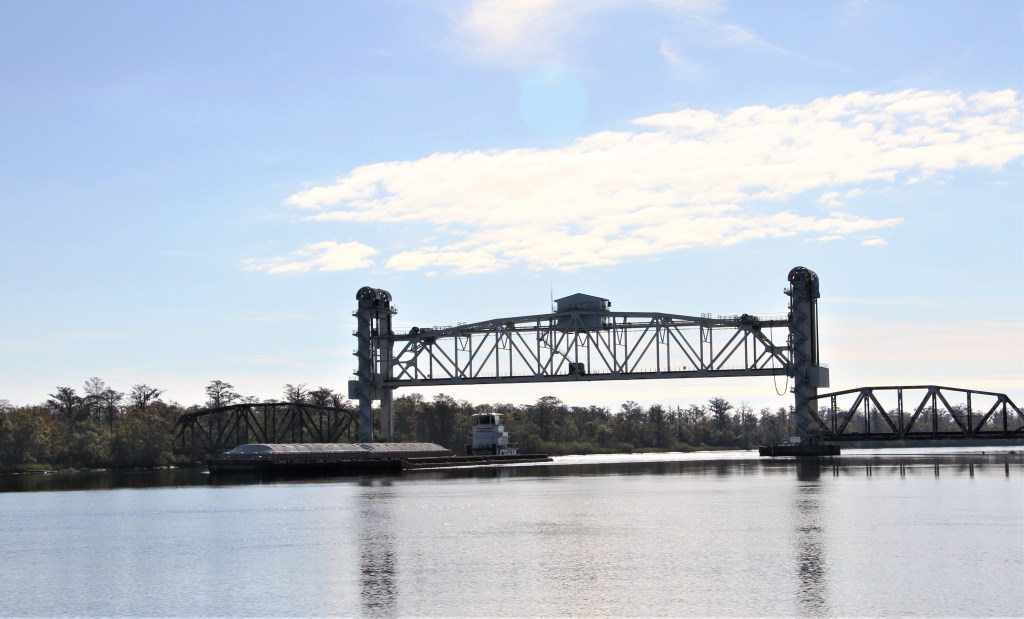
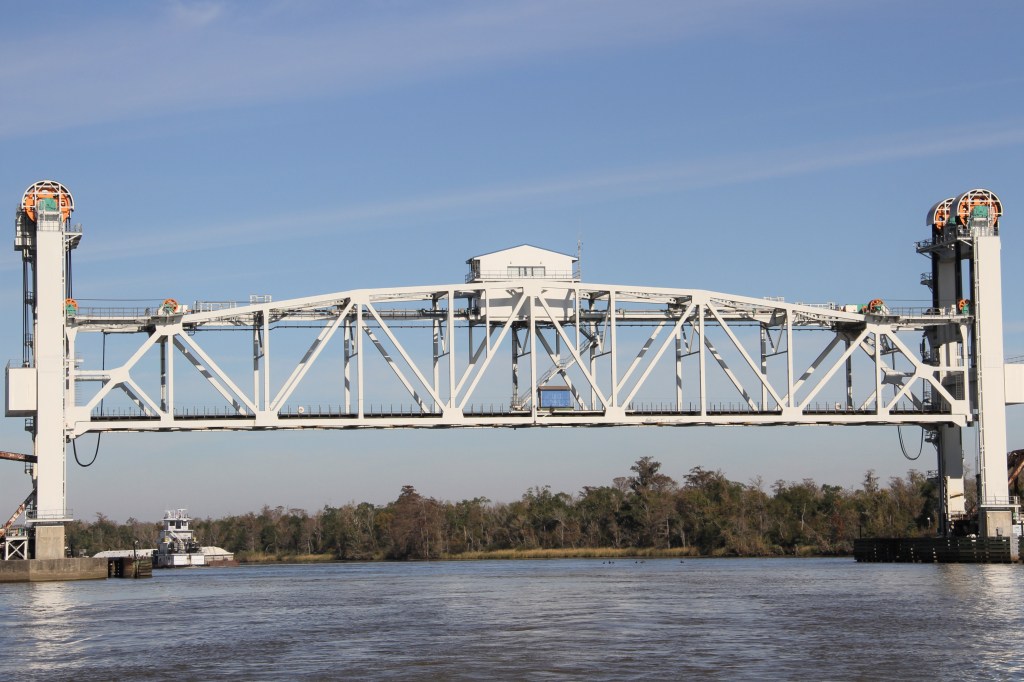
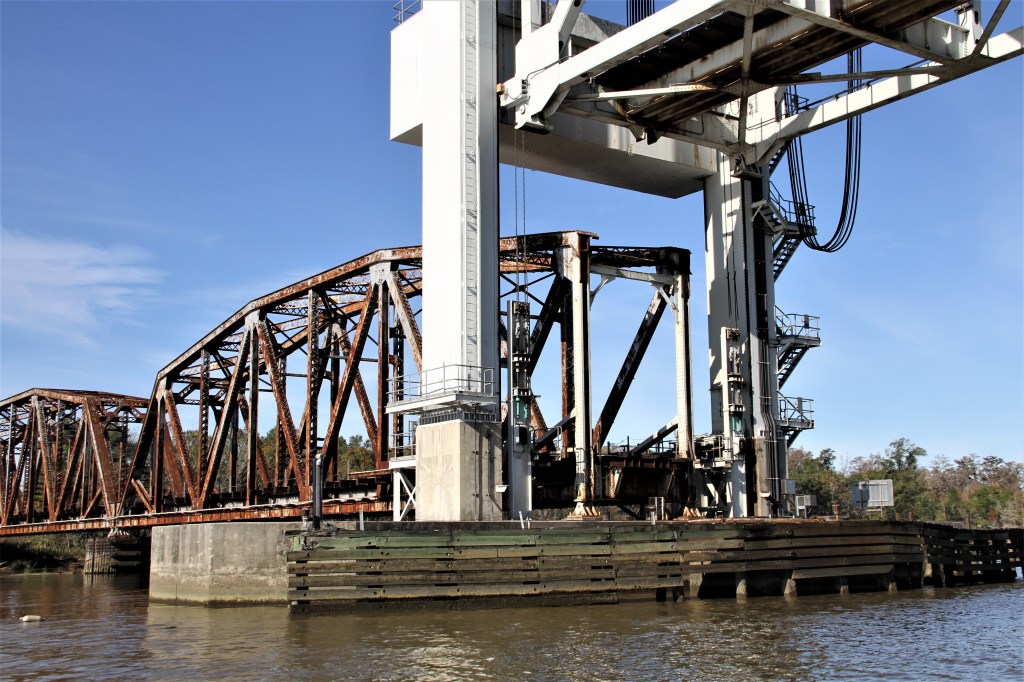
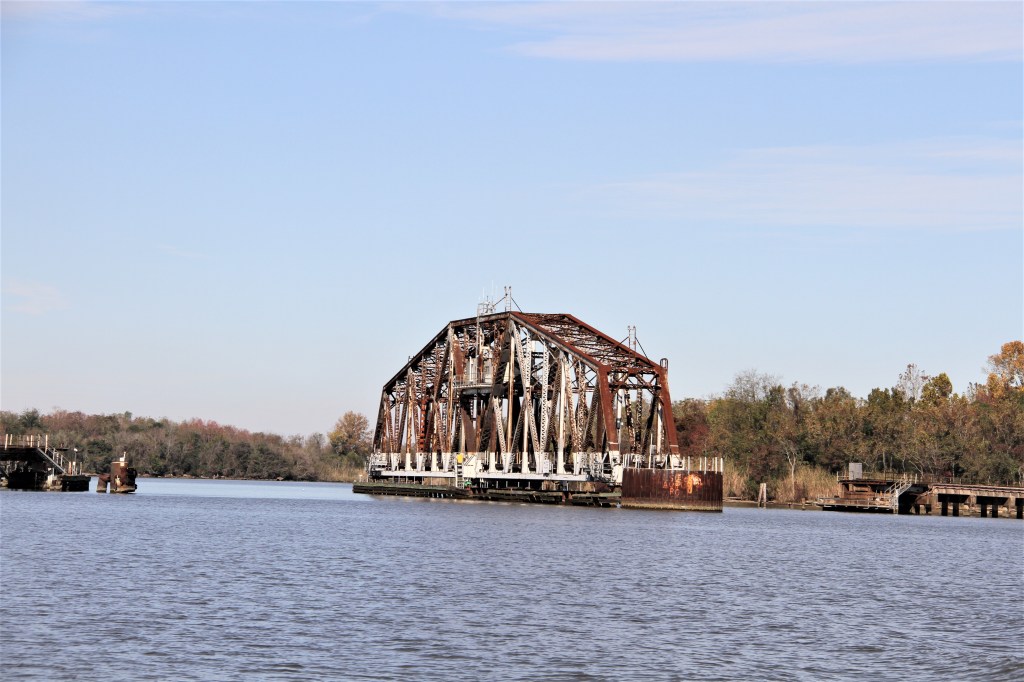
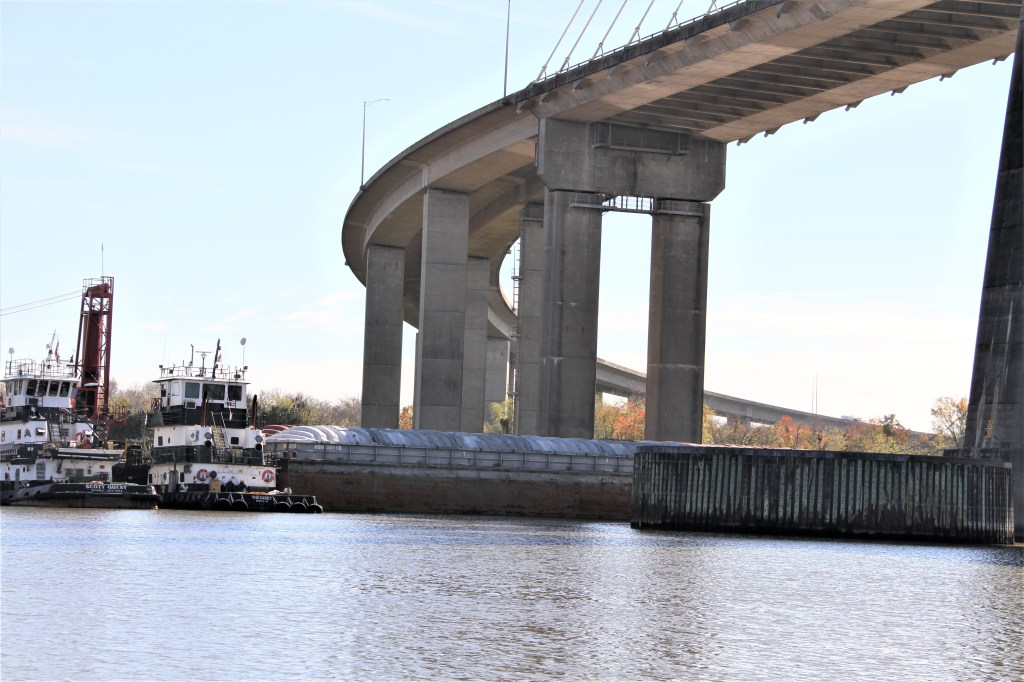
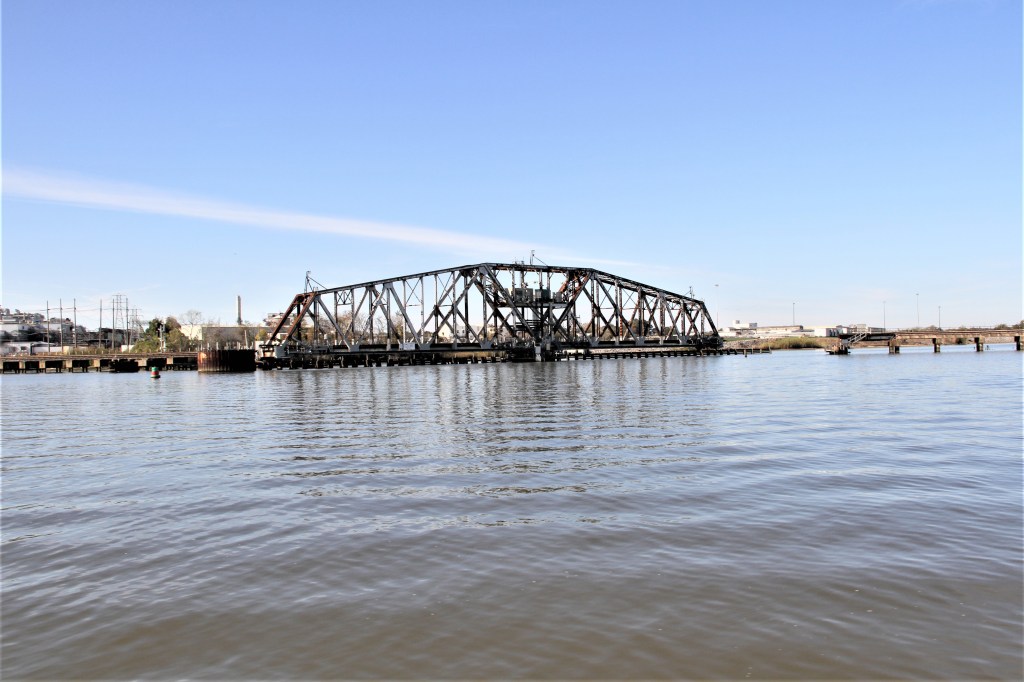
As we head towards the city of Mobile, multiple road and railways bridges hint of a busy major port downriver.
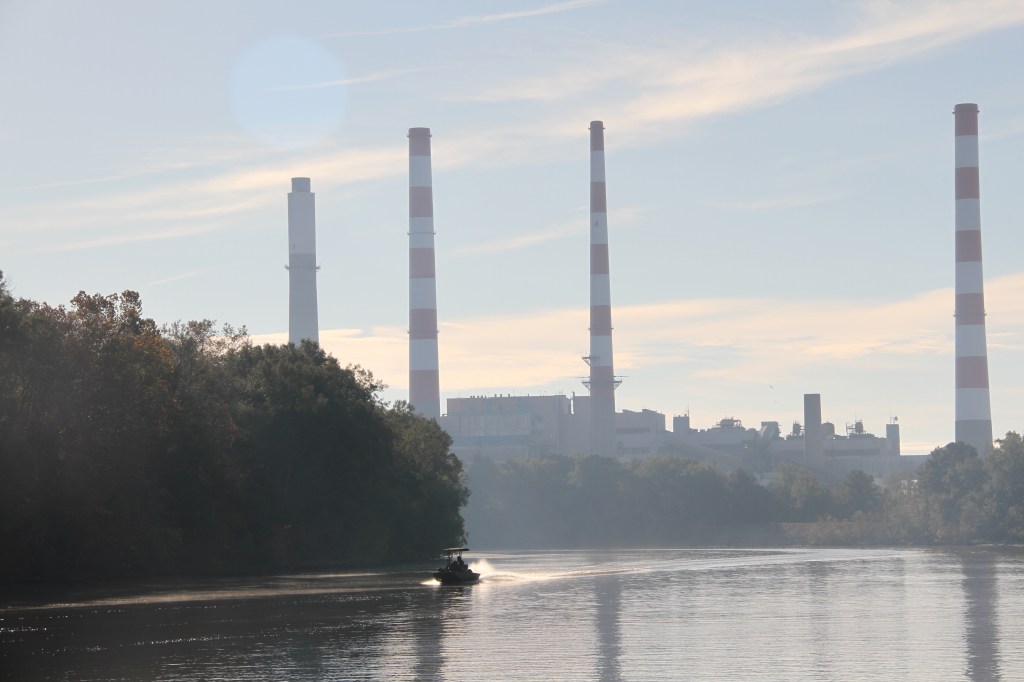
Barry Electric Generating Plant
Big Bayou Canot Bridge: In 1993, a tow, traveling in foggy conditions, made a wrong turn and ran into one of the bridge spans resulting in the shifting of railroad tracks. Shortly afterwards, an Amtrak train derailed into Big Bayou Canot killing 47 passengers and injuring 103.
As we near Mobile, the number of shoreline industries increase.
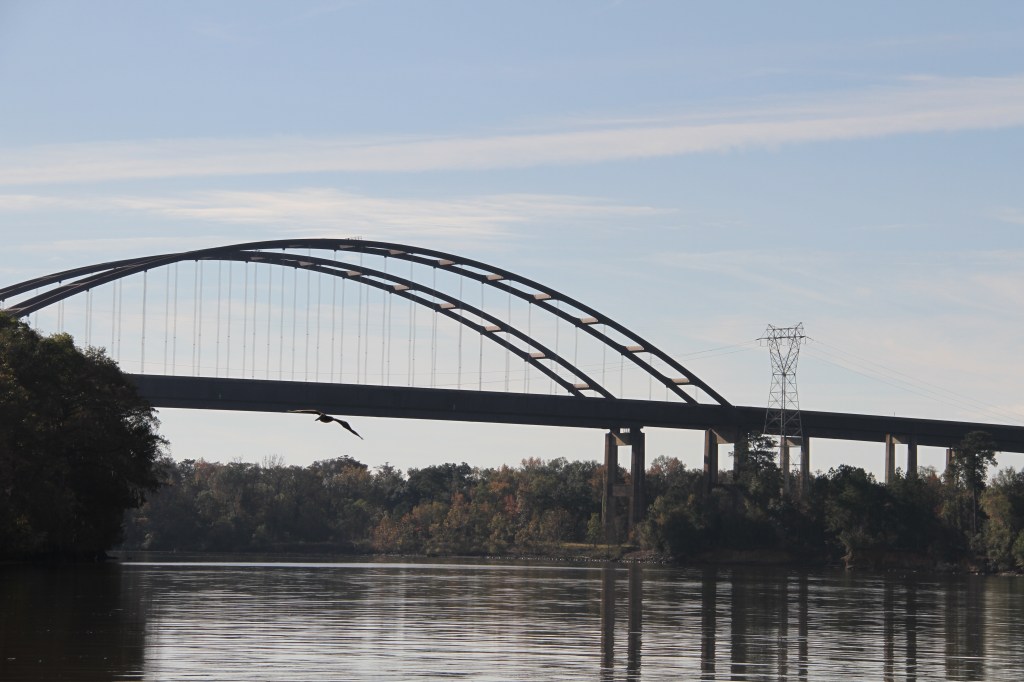
Highway I-65
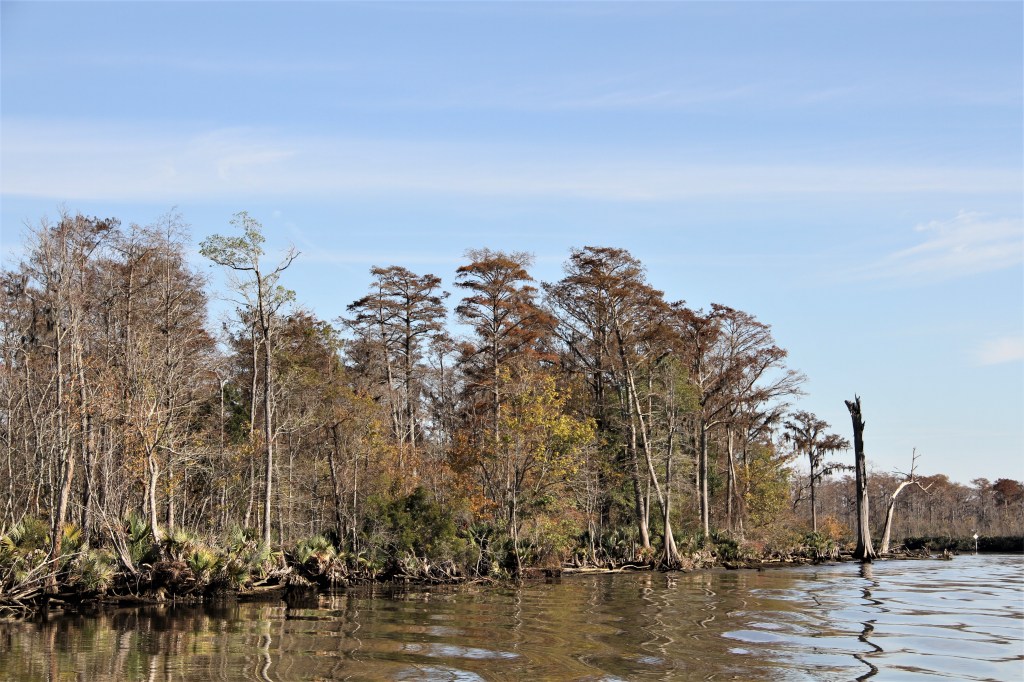
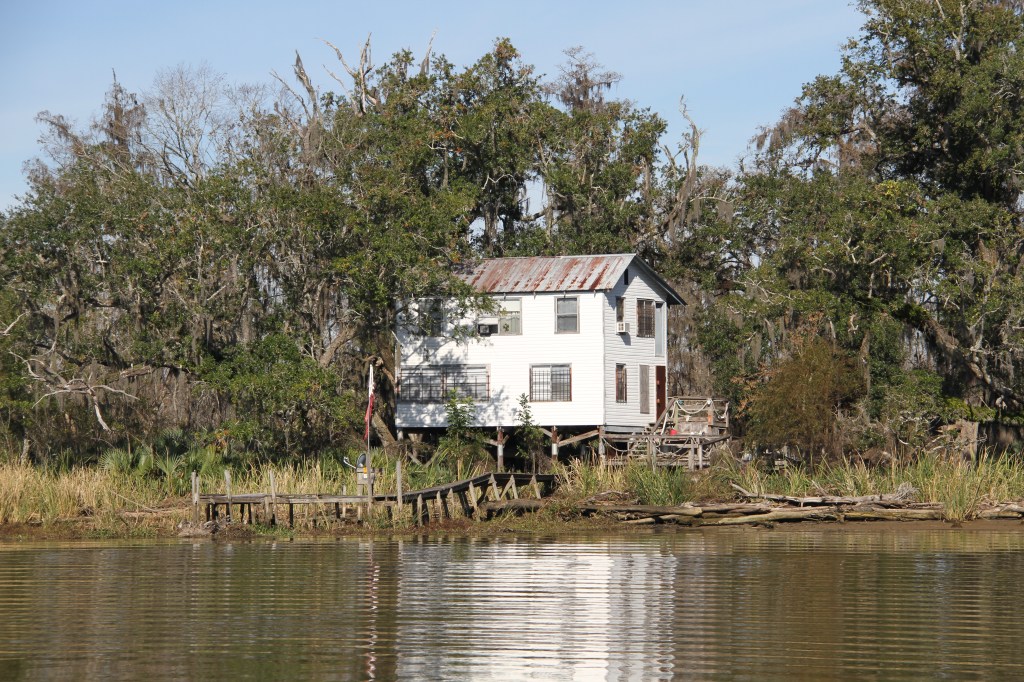
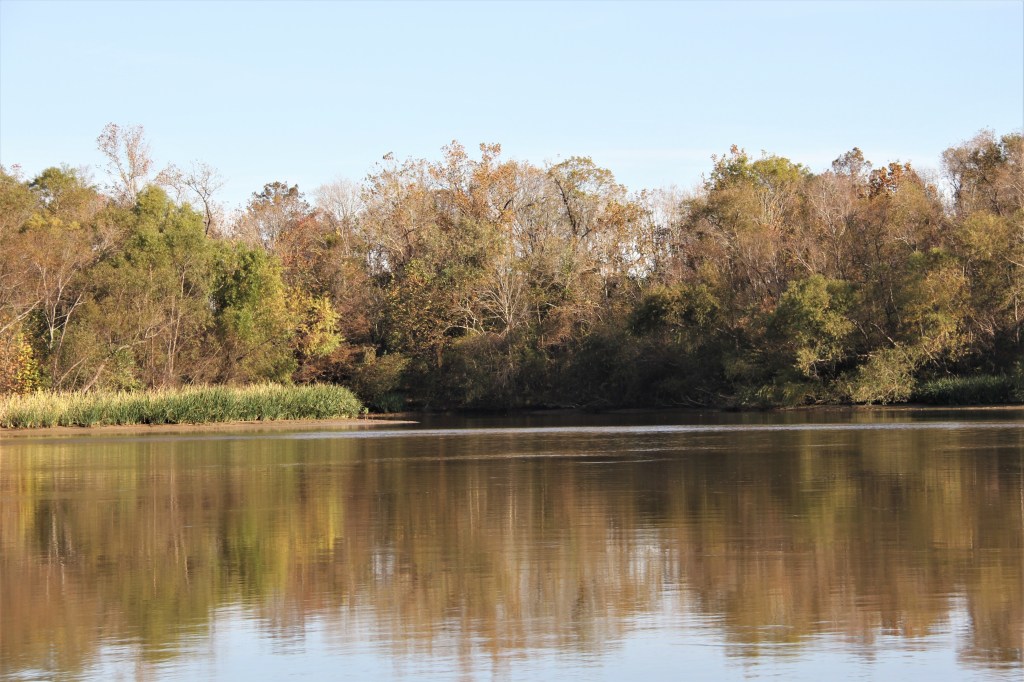
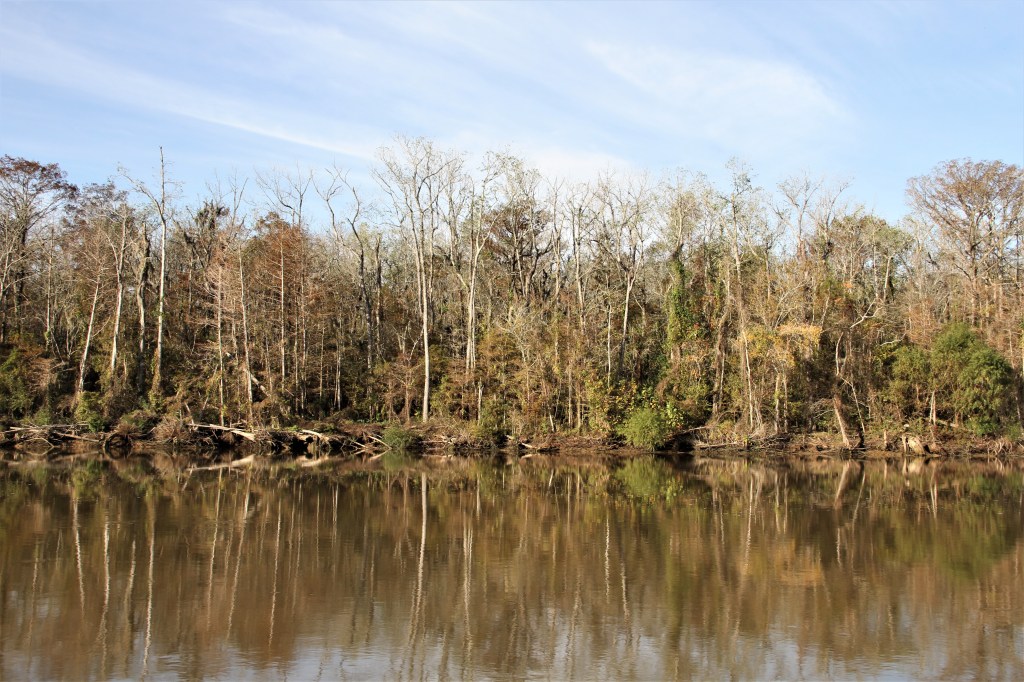
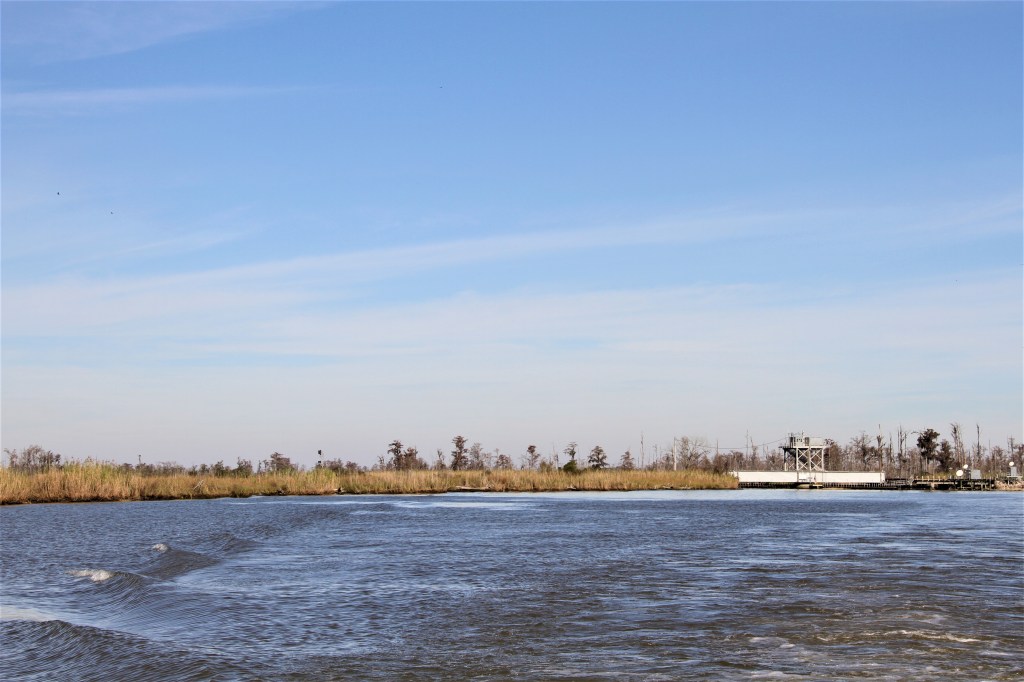
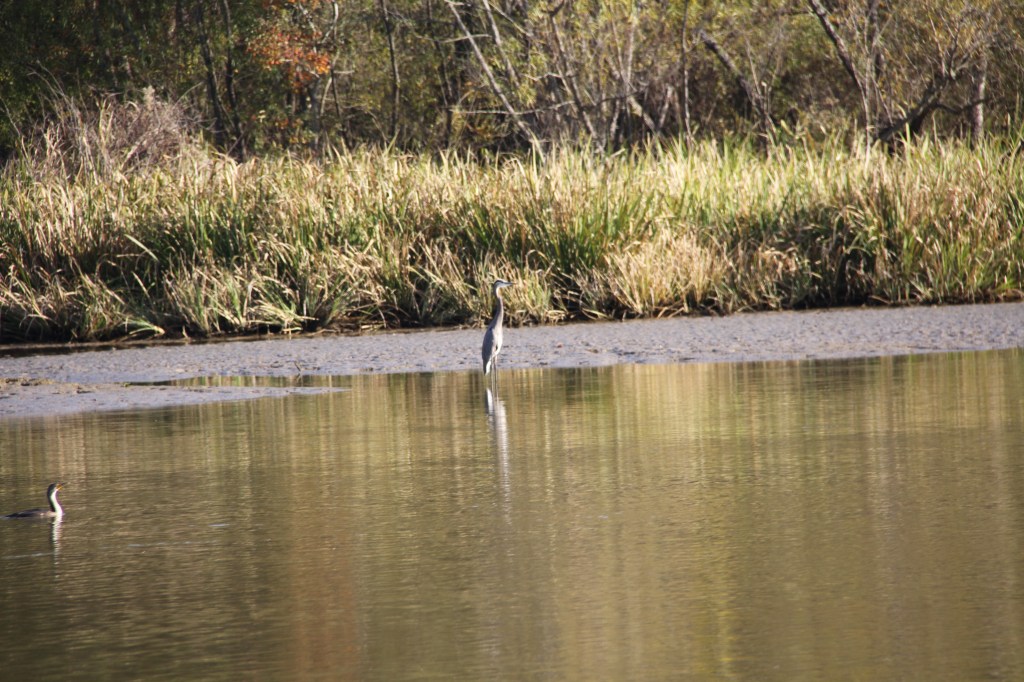
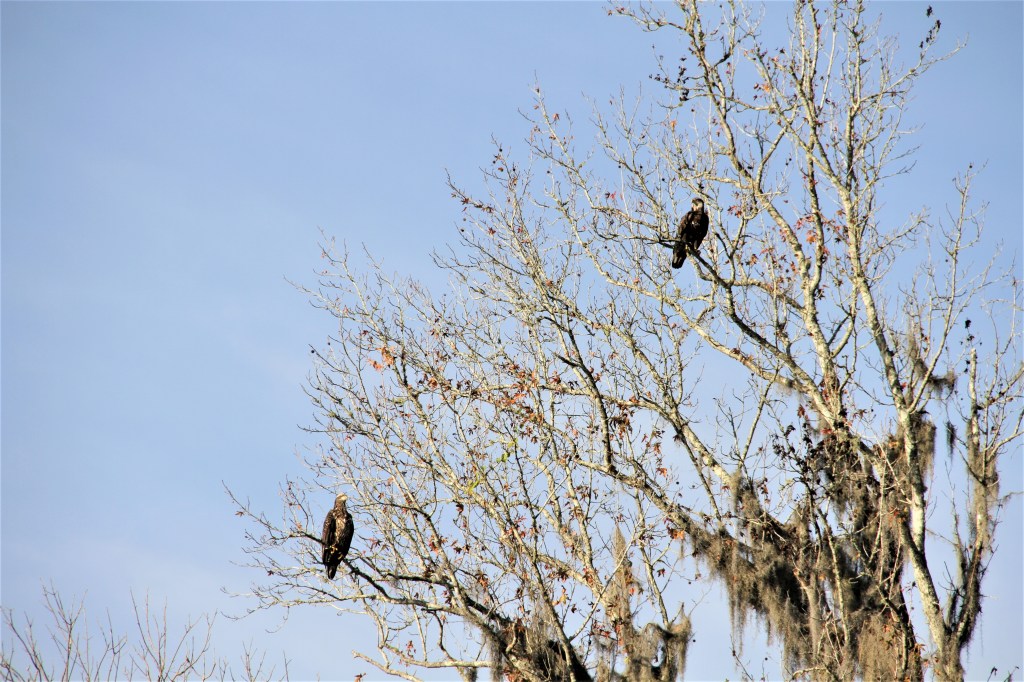
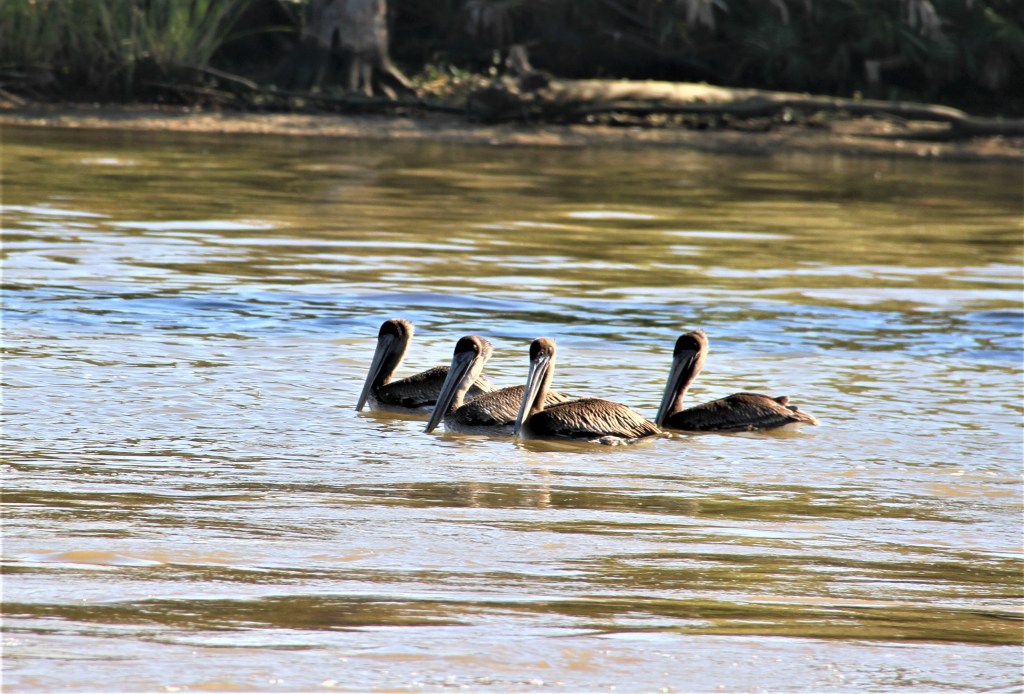
Tucked among these industrial entities, sits one of nature’s prizes; the Mobile-Tensaw Delta. Formed by the confluence of the Alabama and Tombigbee rivers, the Mobile -Tensaw Delta is long and narrow, covering 45 miles of tidal rivers, marshes, open water, and bayous.
It is one of the largest ecosystems in the United States.
Recently, nearly 8,000 acres was purchased to protect the biodiversity of the Delta.
“This is a landscape that’s on par with anything you’ll find worldwide from Mongolia to Africa to the Amazon” ,(Mitch Reid, state director for The Nature Conservancy in Alabama. Nice News.com) *
Thanks to Phil Brown, author of Edge of Destiny, for bringing this recent news release to my attention.
*To  learn more about the delta and to watch a short video  of this diverse natural environment, entitled , Land Between the Rivers, click below: https://www.nature.org/en-us/about-us/where-we-work/united-states/alabama/stories-in-alabama/alabama-mobile-tensaw-delta-connecting-southern-landscapes/

To watch a 10 min. virtual tour of the Mobile-Tensaw River Delta, click below: https://www.goodnewsnetwork.org/unprecedented-gift-preserves-8000-acres-of-the-land-between-the-rivers-in-alabama-americas-amazon/
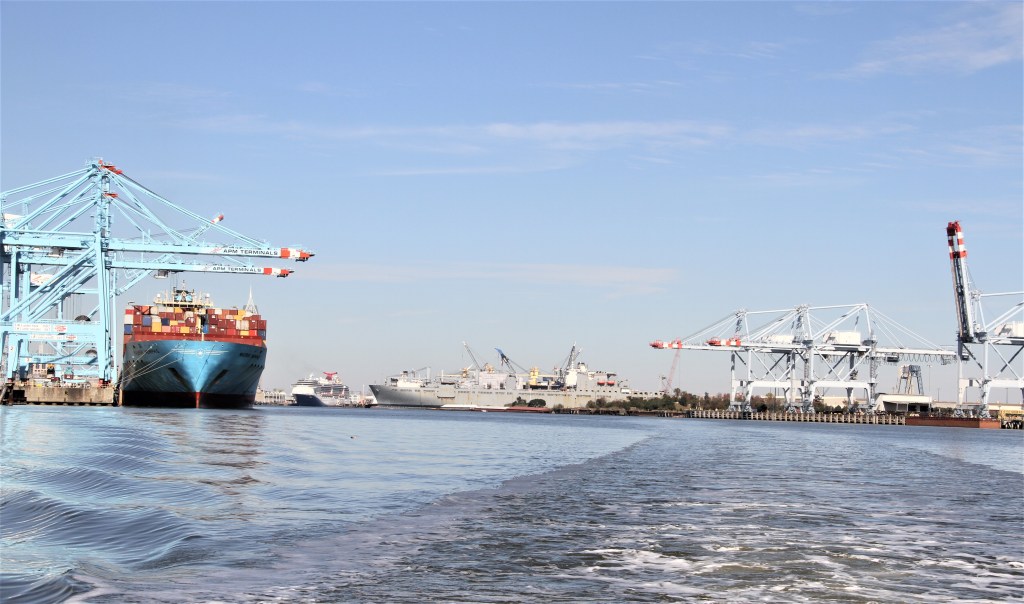
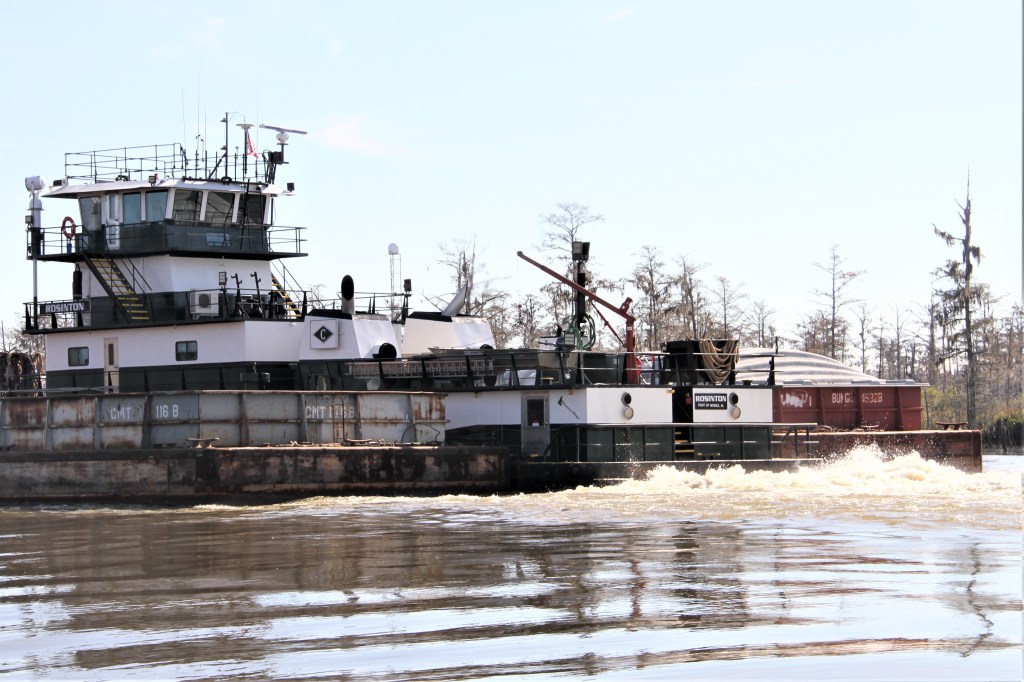
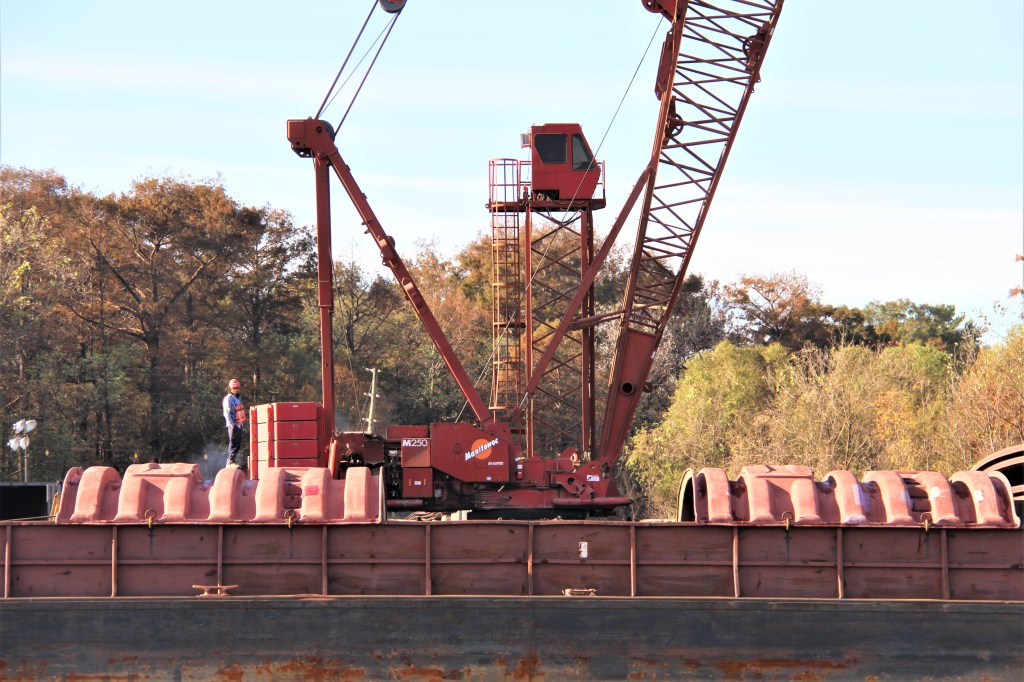
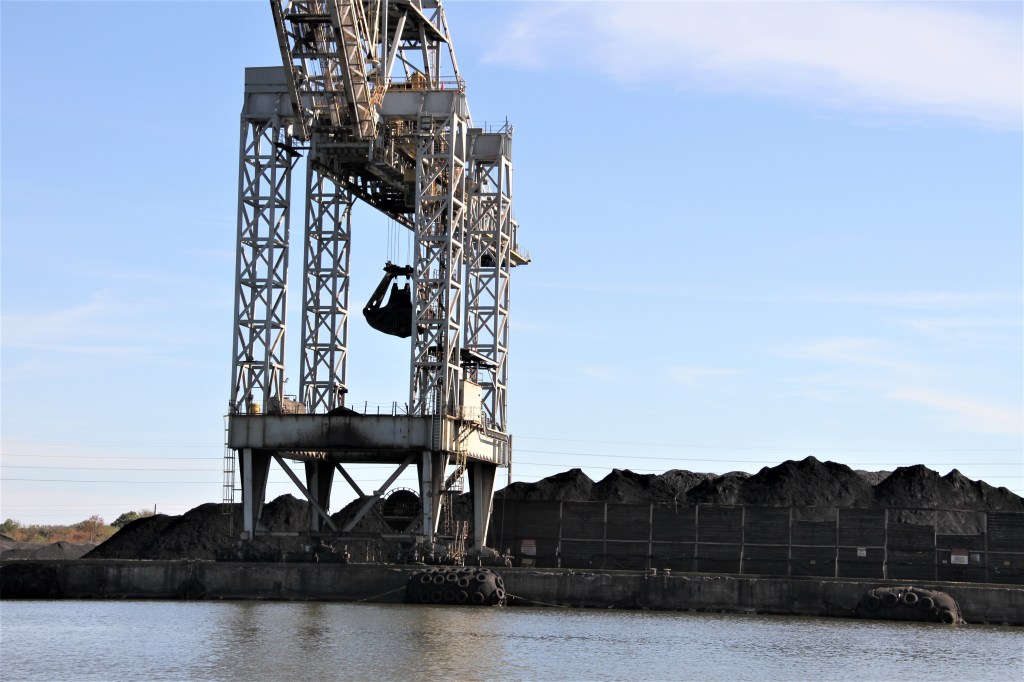
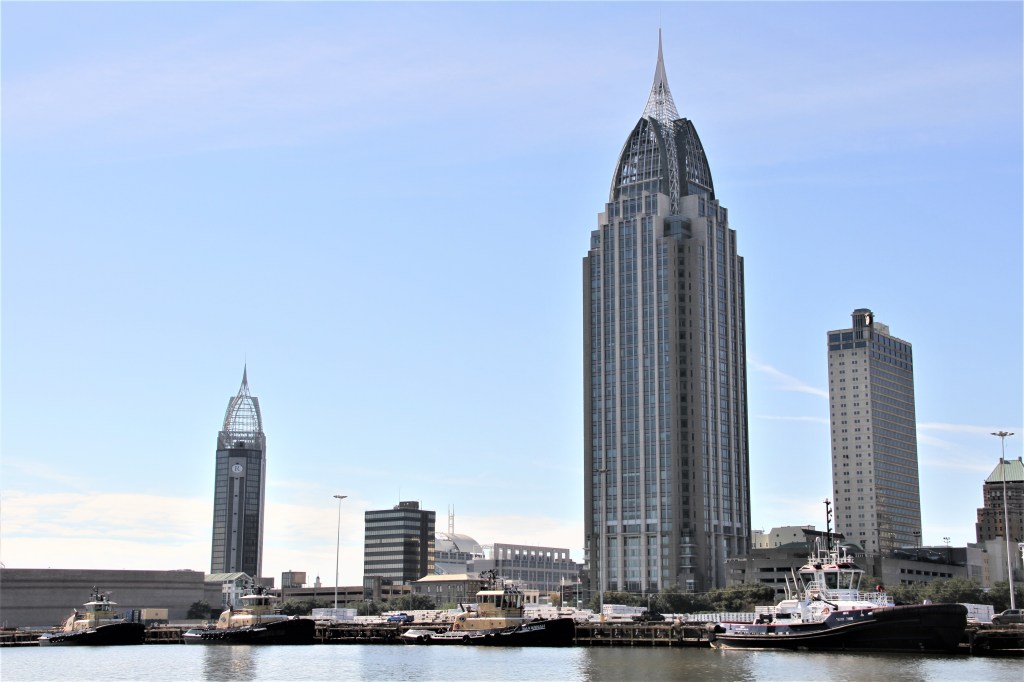
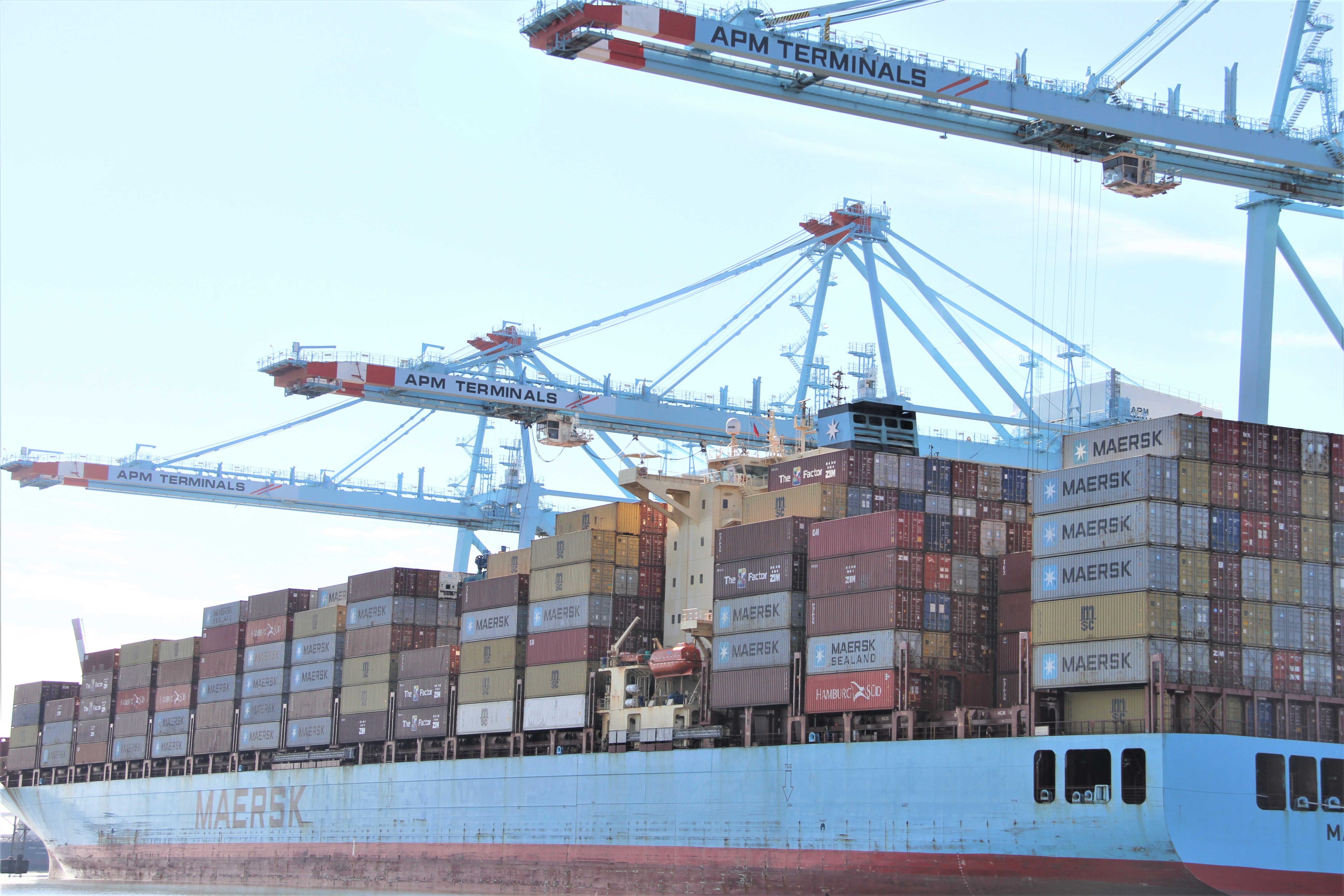
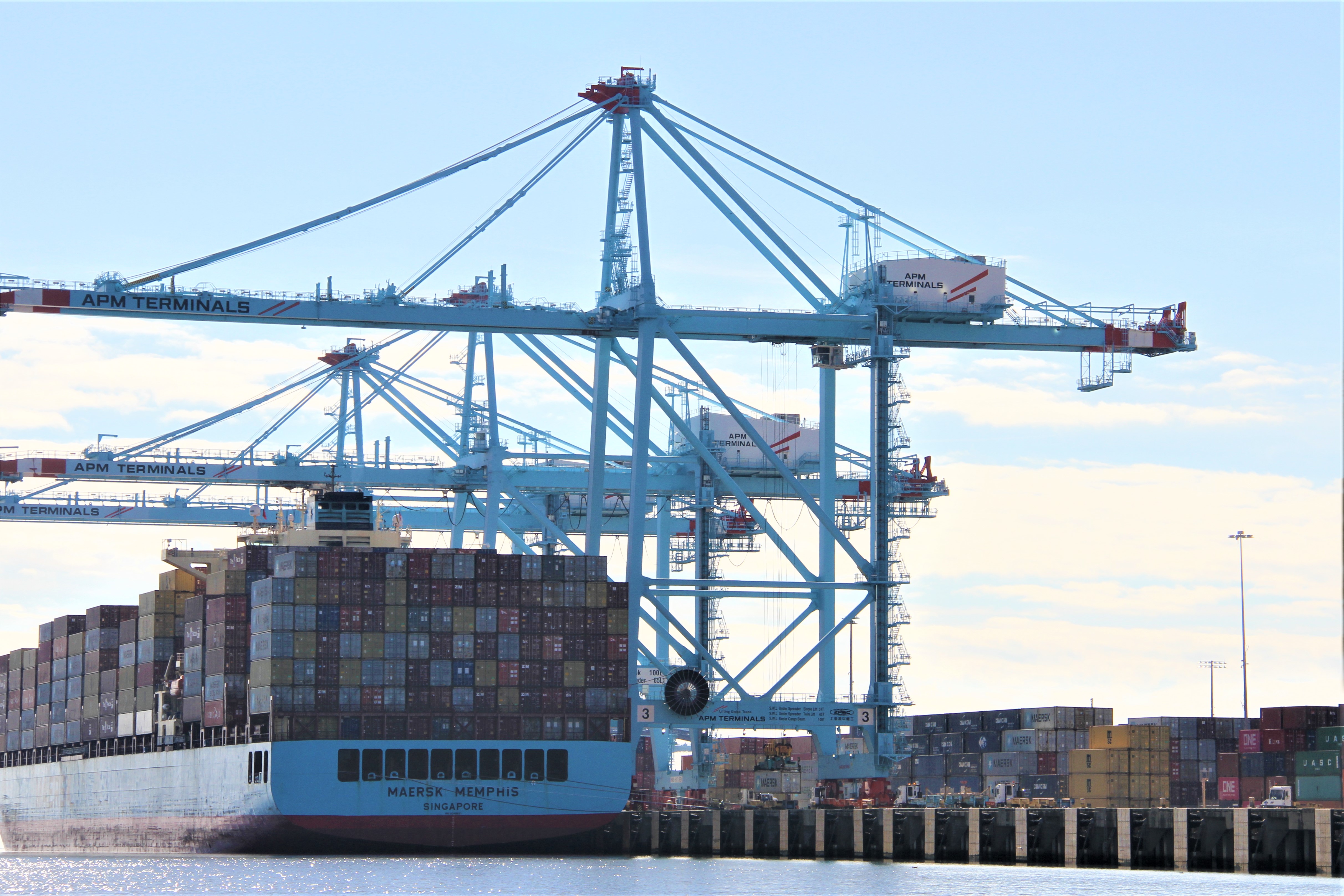
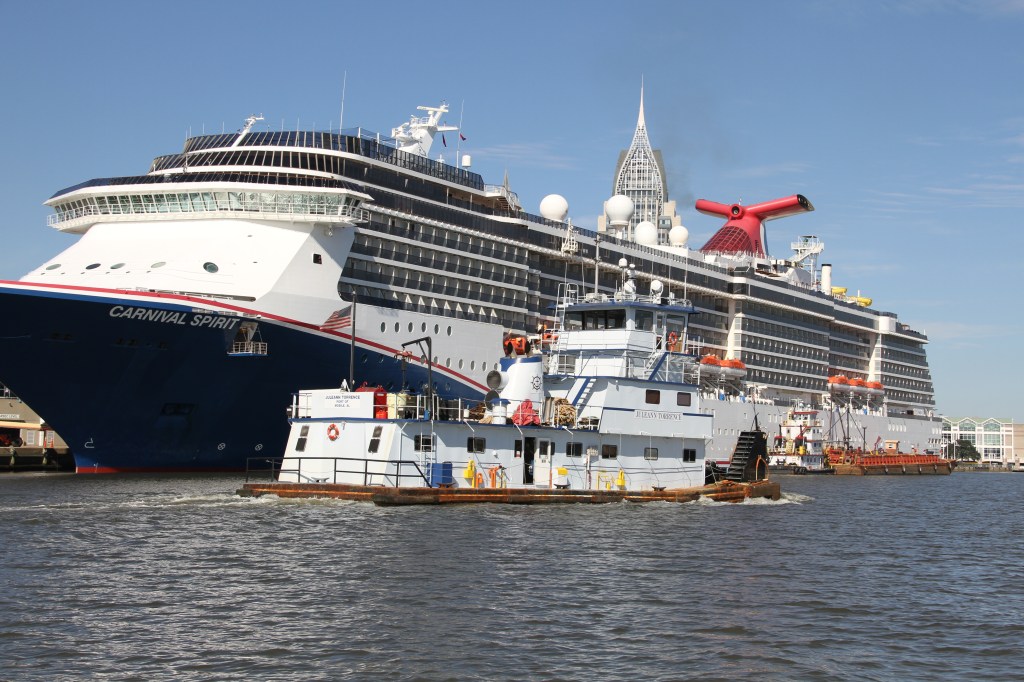
Port of Mobile*, the only saltwater port in Alabama, and one of the largest ports in the U.S.: a scurry of ocean freighters docking, containers loading and unloading, barges delivering natural resources, tugs pulling, tows pushing, cranes lifting…

*Mobile: Formerly known as Mauvila /Mobila, and once occupied by Muscogee Native Americans, was taken by the Spanish in the early 1500s.
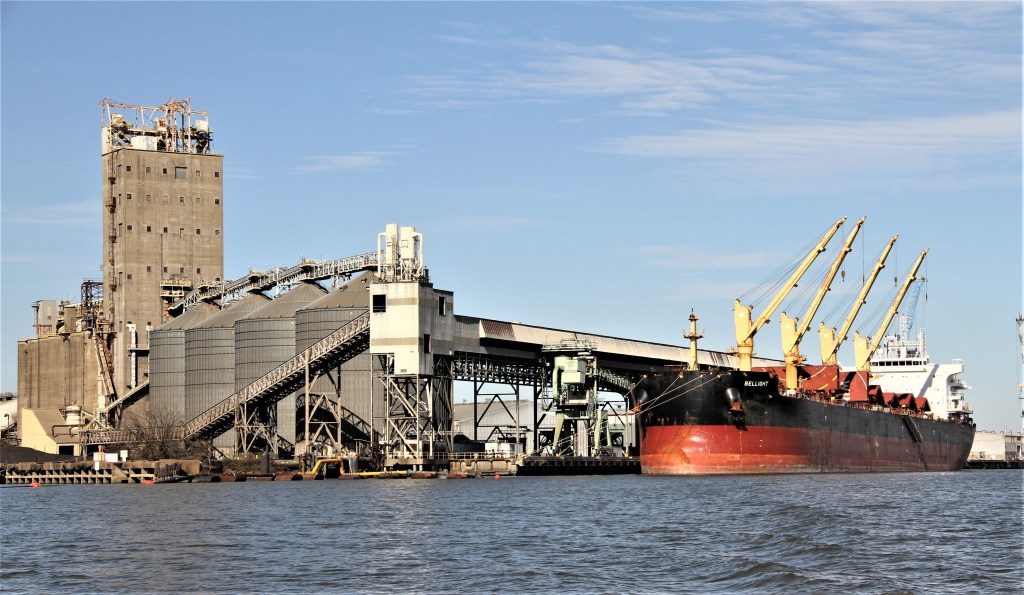
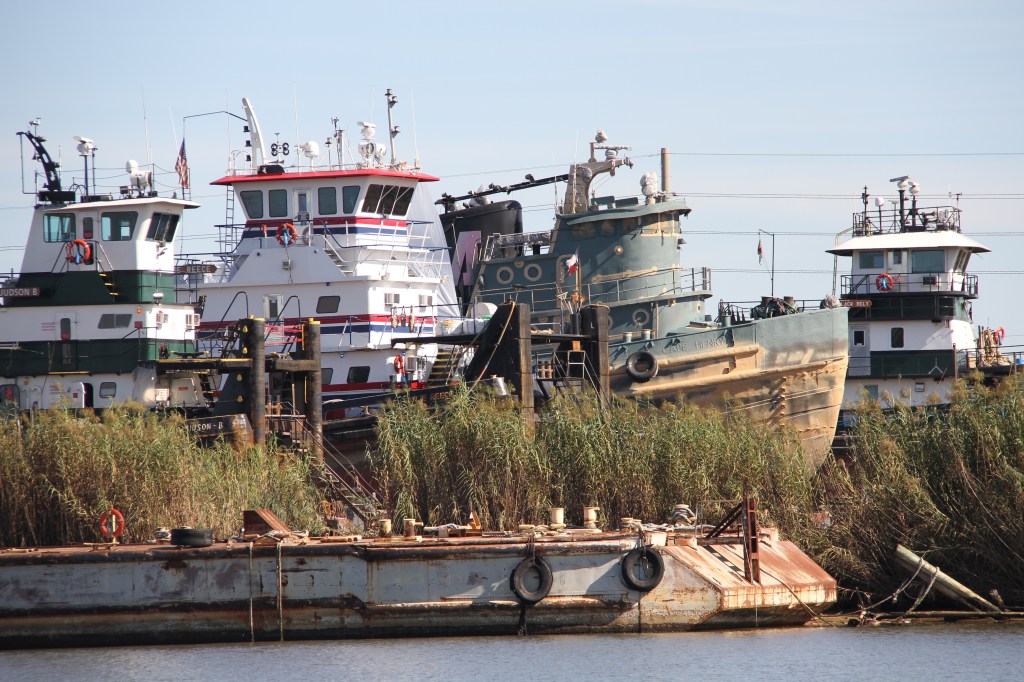
Industry here has access to 5 railroads, 2 interstate highways I-65 & I-10, a weekly rail ferry service to Coatzacoalcos, Mexico, and Intracoastal Waterways serving the Great Lakes, Ohio and Tennessee valleys.
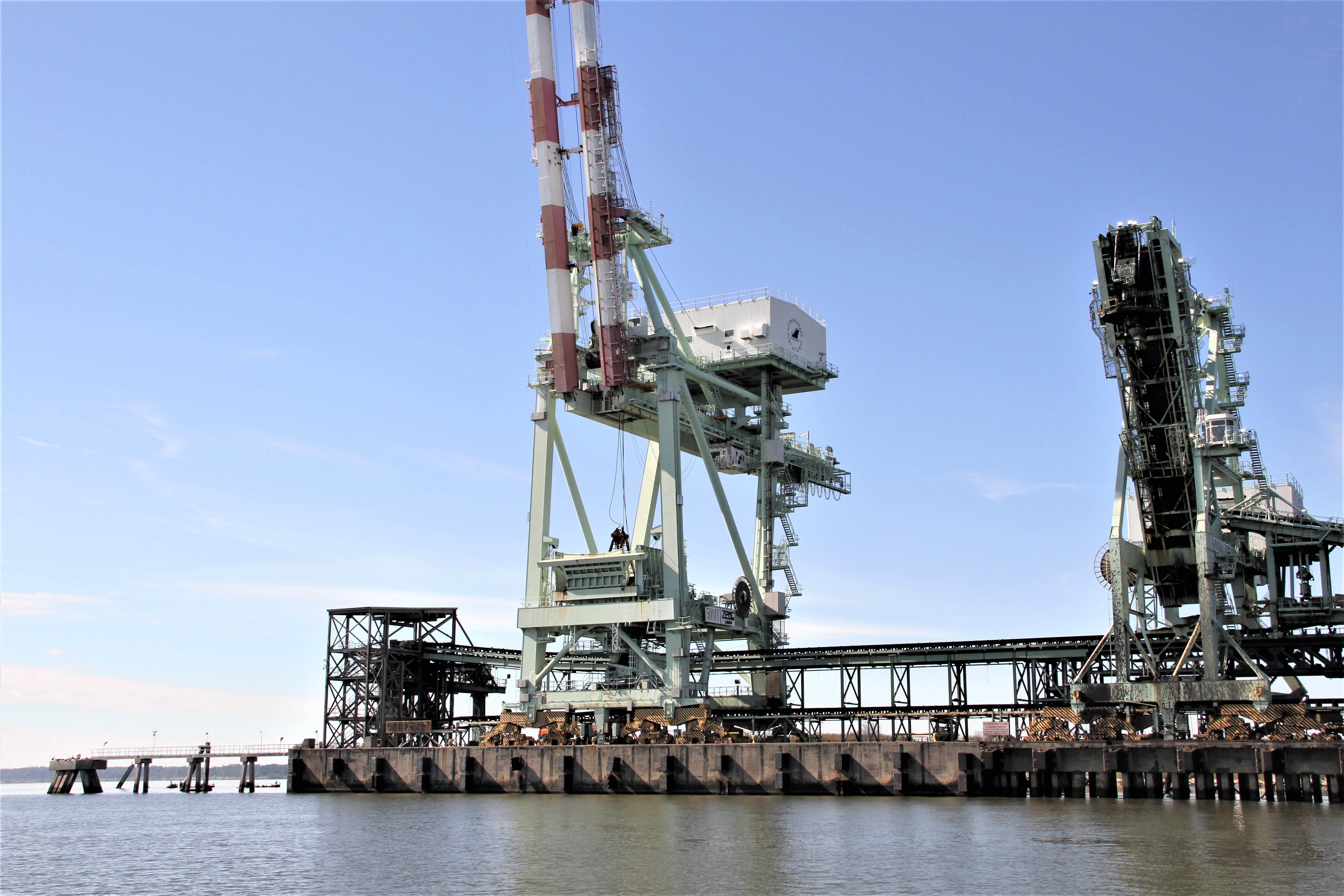
Among other goods and raw materials, harbour docks handle steel, cement, grain, vehicles, coal, chemicals, iron and pulp and paper.
Mobile: population 185,000
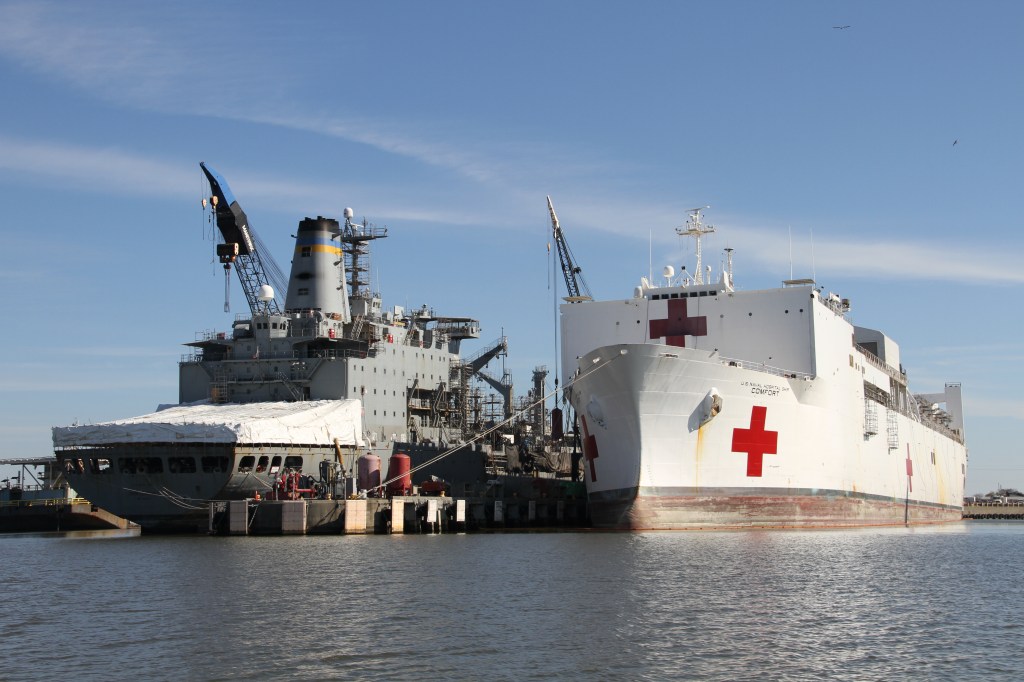
The USNS John Lenthall, ( shown on the left), a replenishment ship that delivers fuel, cargo and supplies to combatant ships at sea. On the right, The Comfort, a 1000 bed hospital ship provides acute surgical medical facilities to the U.S. military and hospital-support to U.S. disaster relief. When called upon, it offers humanitarian operations worldwide.
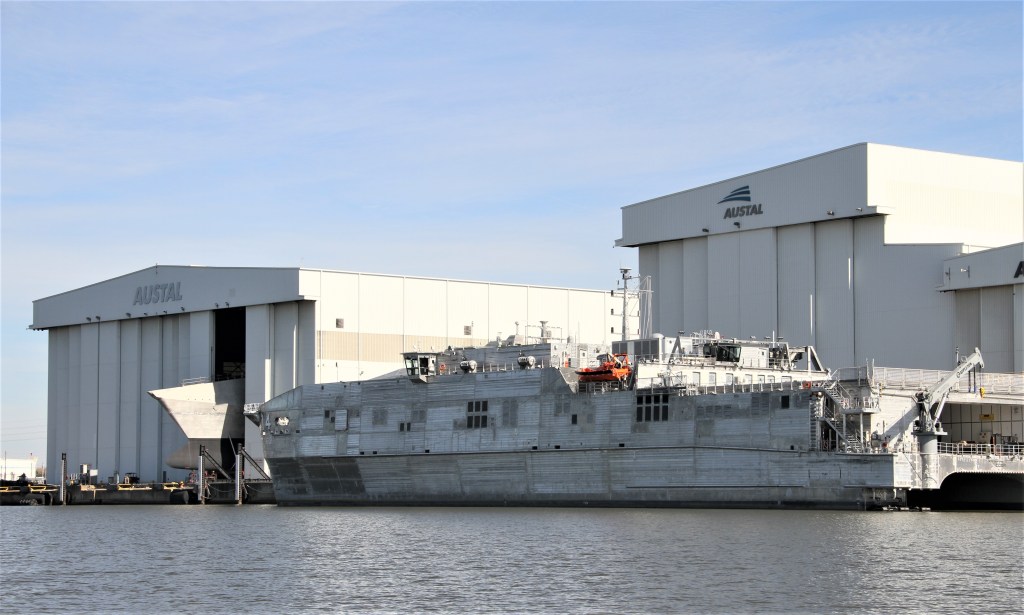
Austal, a major U.S. ship builder of Navy salvage, rescue, towing, medical and surveillance ships.
Leaving Mobile Harbor, we followed the shipping channel across Mobile Bay, 31 miles long. The bay is shallow, (8-10ft), except in the shipping channel which averages around 15 feet.

Throughout 1826 -’29, Cpt. John Grant used a dredge he had perfected, to deepen passes across Mobile Bay. Channels would have been marked with wooden sticks and copper clad barrels. However, until a channel was dredged to 17 feet, and a lighthouse erected in the middle of the bay, large ships were not safe to proceed into Mobile Harbor.
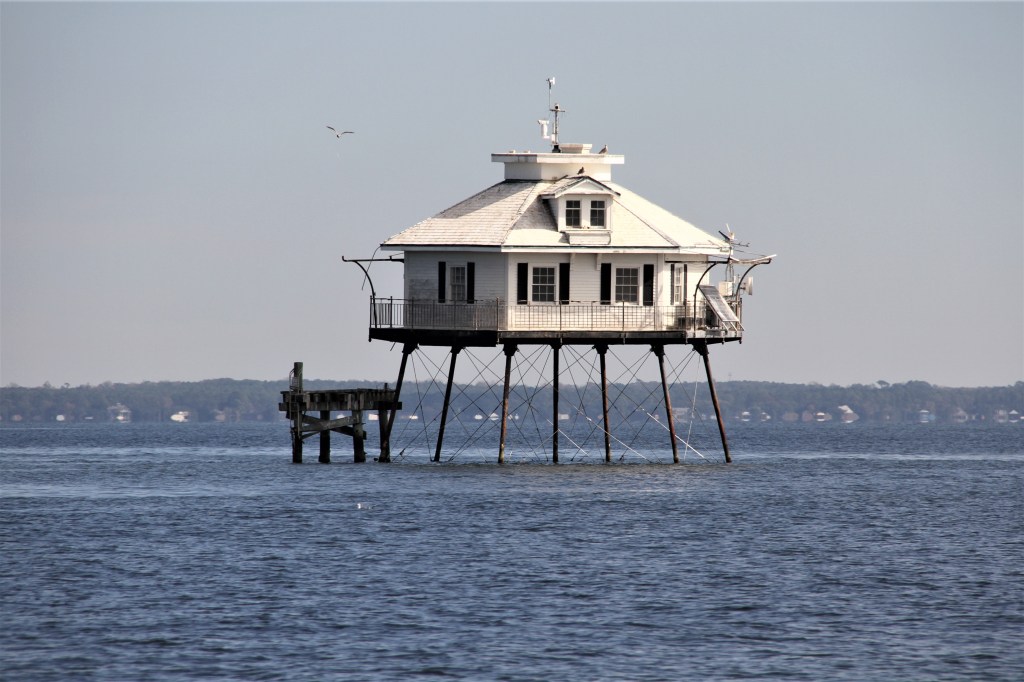
Middle Bay Light (1885). In early years, the lighthouse used a Fresnel lens to warn vessels of shoaling. When fog settled into the bay, the lighthouse keeper would strike a bell every 5 seconds to warn ships of the shallows.

In the summer of 1916, the keepers wife gave birth, but she was unable to provide nourishment to the infant. The keeper, not wanting to send his wife and child away, brought a dairy cow to the station and housed it on the lower deck ‘gallery’. The light was automated in 1935 and is still active today.
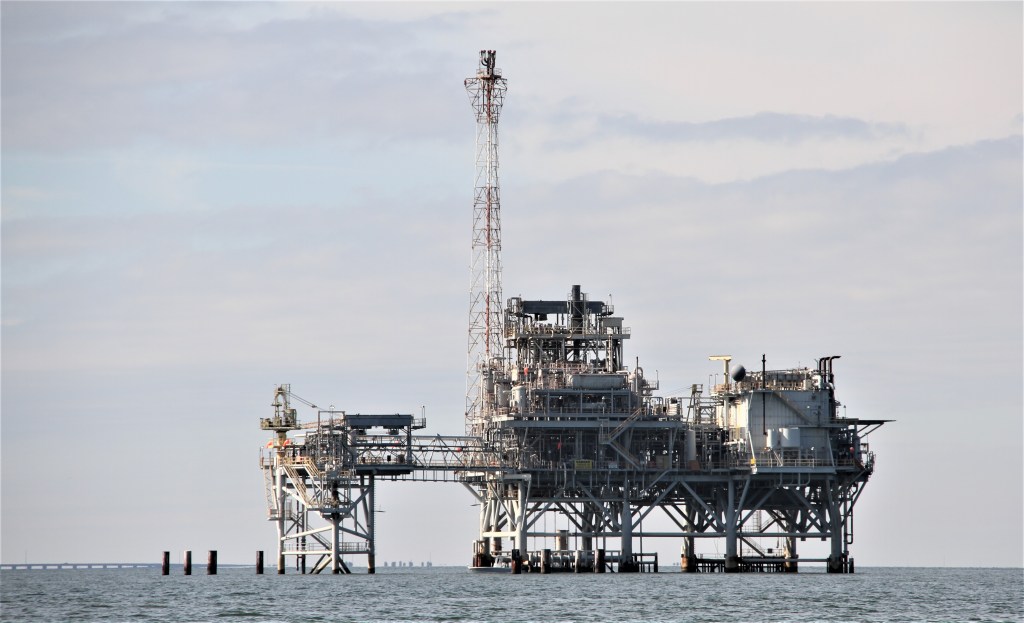
In 1979, natural gas was discovered in Mobile Bay 20,450 feet/ 6233 metres, below the seabed. It took over 20 years of discussions with professionals, environmental groups and government, before obtaining the necessary permits.  Mobil had to agree to:
– providing a $55 million dollar bond against potential damages that might occur as a result of drilling.
-a no-dumping policy: the first of its kind in the industry, requiring Mobile to collect all mud, cuttings, sewage and rainwater, that fell on the rig pre, post, and during drilling. These collections were then directed into a special barge and disposed of onshore in an approved landfill site.
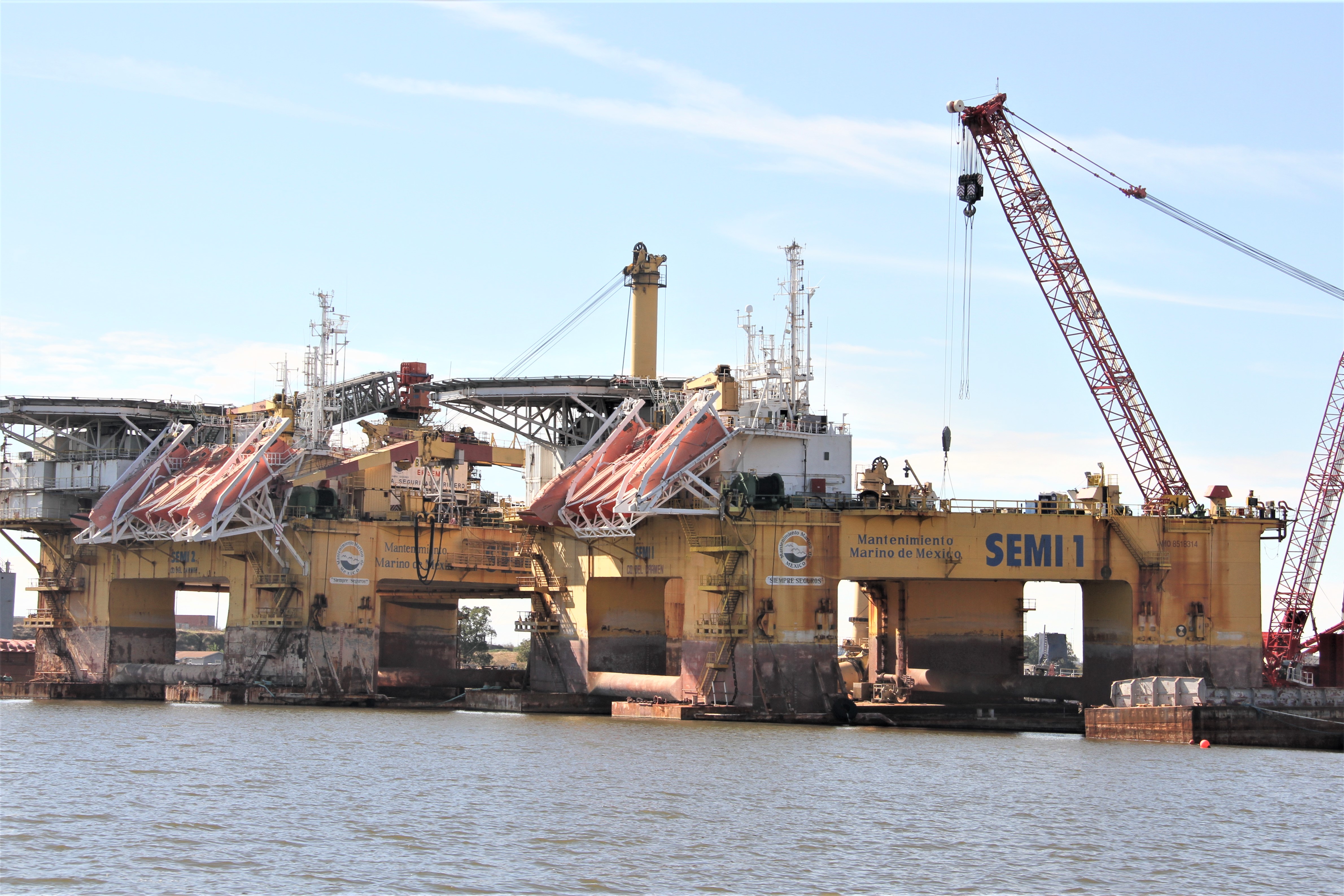
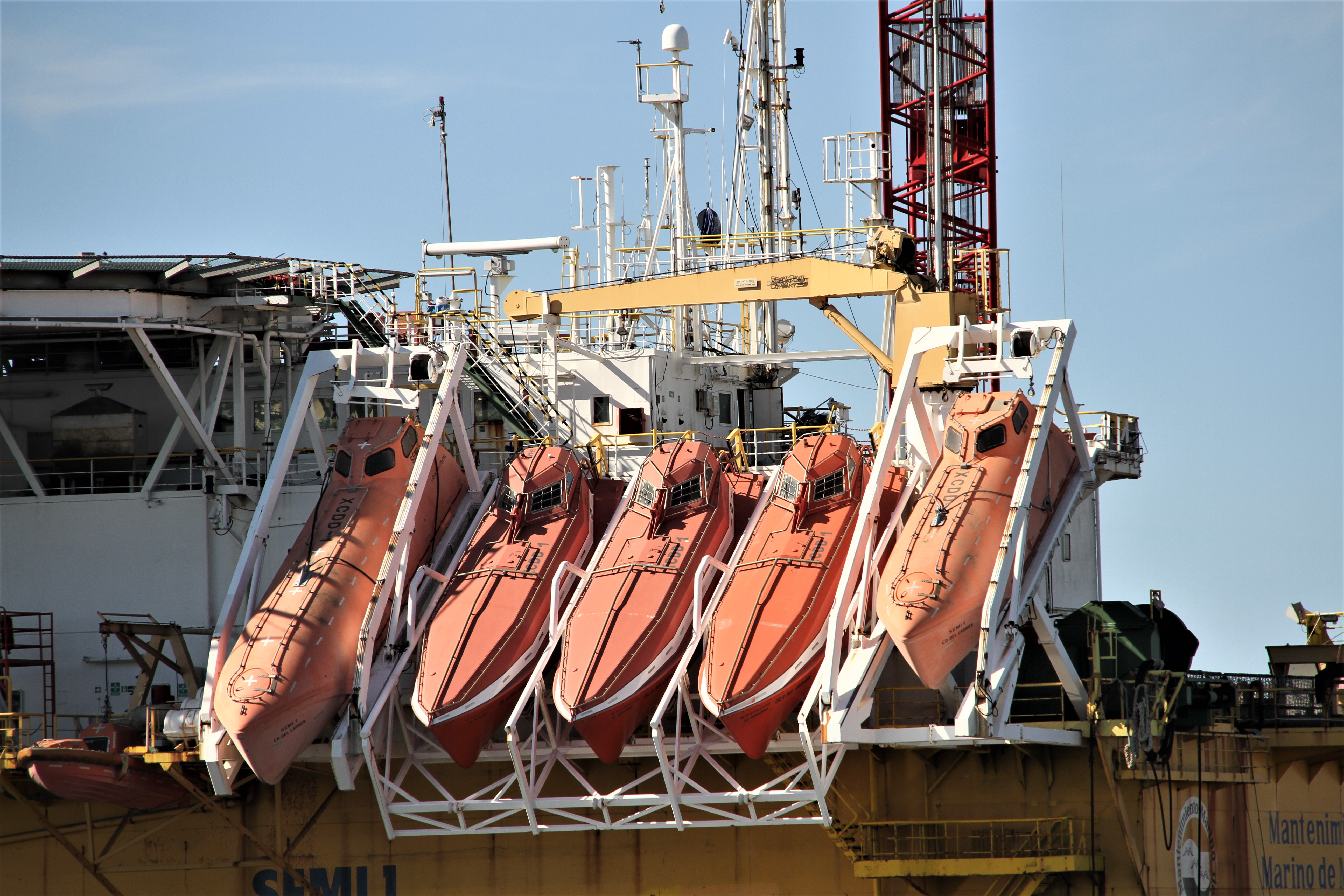
Natural gas offshore platforms. Life rafts ready to be deployed.

Seabeds surrounding natural gas producing platforms are enhanced with several inches of limestone aggregate to provide good habitats for certain fish species.

We intercepted the Gulf Intracoastal Waterway (GIWW)* (mile 146 / marker 124), while heading east towards Fort Morgan.

* The Gulf Intracoastal Waterway (GIWW) is a marked, dredged channel running behind barrier islands and across several Gulf Coast bays, offering protection from wind and sea conditions in the Gulf of Mexico.
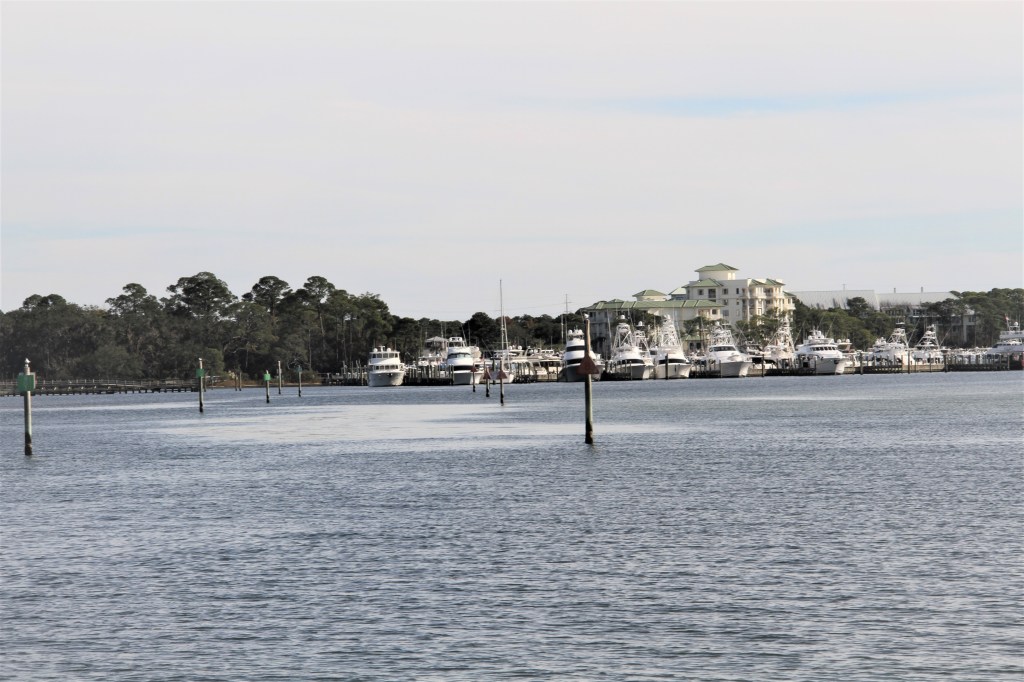
In certain locations, it can be narrow, and shallow. At those times, we need to look behind us and visualize a line running from one buoy to the next, so not to get outside the channel. The GIWW is part of the Intracoastal Waterway (ICWW), a 3000-mile inland marked channel similar in nature to the GIWW. The mileage numbers will get larger as we continue east and north.
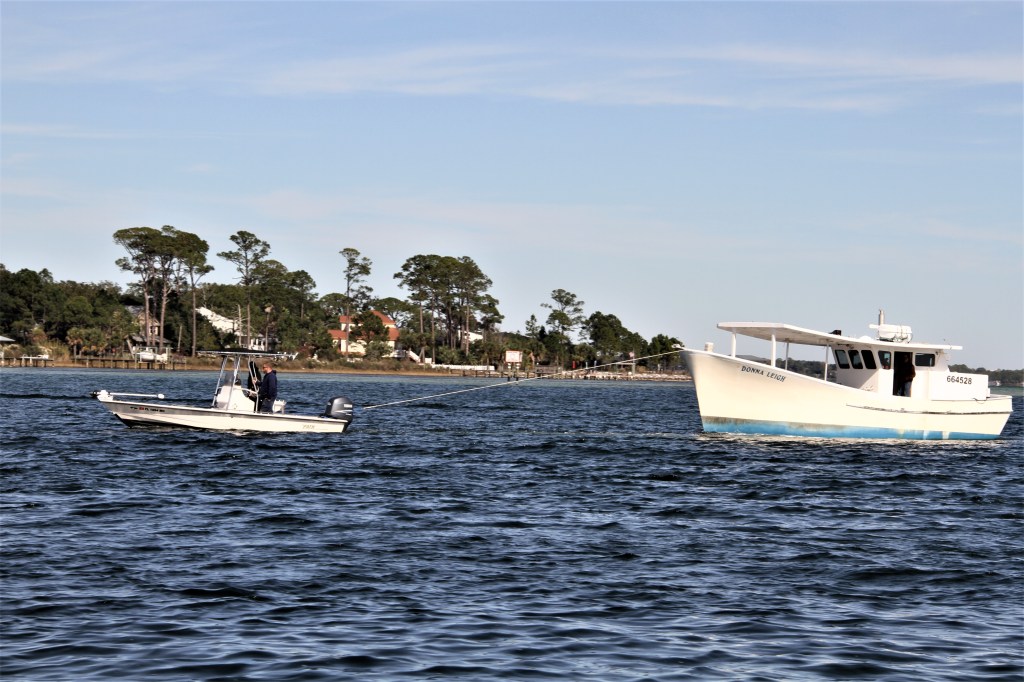
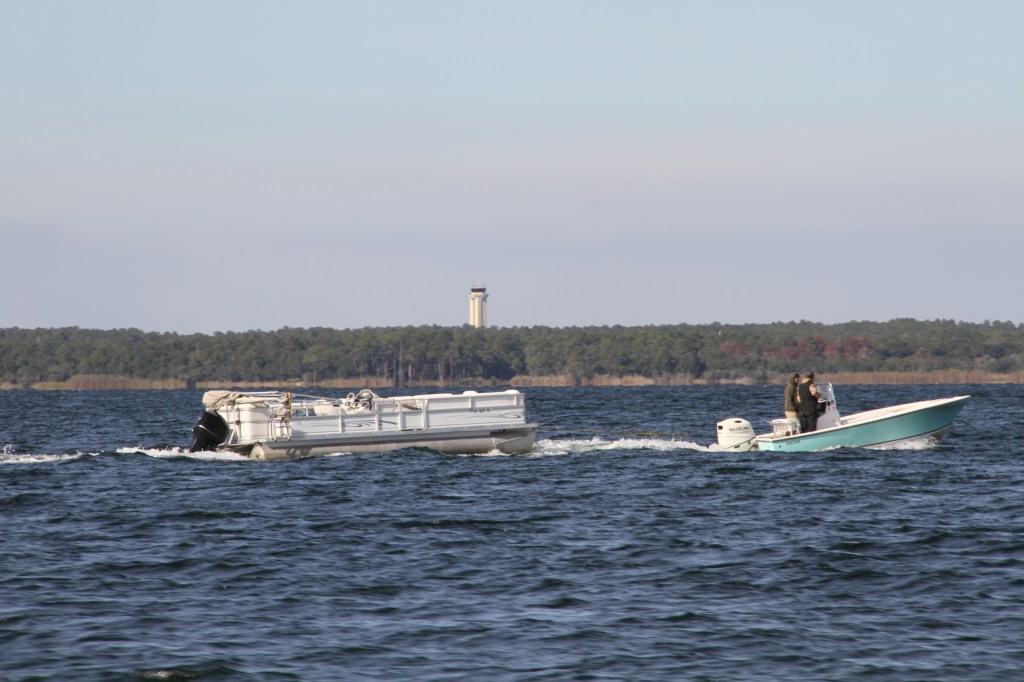
Towing services are popular on the GIWW.

It is not recommended traveling the GIWW without towing insurance.


10 responses to “Mobile River, Alabama to Gulf Coast Intracoastal Waterway”

  1. mjbrennan1965 avatar
    mjbrennan1965

    Donna,

    Great pictures and narrative. I remember well the Big Bayou Canot Bridgen train accident. It was a real tragedy. I know you started your venture with a beautiful new boat. Were you fortunate to not have any mechanical or other issues? Did you ever hit objects below the water doing damage to the boat, shaft or propellers?

    Like

  2. mjbrennan1965 avatar
    mjbrennan1965

    Donna,

    Great pictures and narrative. I remember well the Big Bayou Canot Bridgen train accident. It was a real tragedy. I know you started your venture with a beautiful new boat. Were you fortunate to not have any mechanical or other issues? Did you ever hit objects below the water doing damage to the boat, shaft or propellers?

    Like

    1. Hi Mike, We have had very few problems with the boat. Only some minor adjustments have been needed, nothing mechanical. We have a Volvo diesel engine that performs wonderfully well. Our expereince with diesel engines has always been very good. With a little care, they love to work. Our generator has not given us a problem until a few days ago. We were in a remote part of the Bahamas. ( and still are). It was running but not charging. It was a serious problem . We figured we would wake up in the morning and would not have enough charge to start the engine. We couldn’t figure it out even though Mike is familiar with the workings of just about everything onboard. But I found the answer on Facebook! There is a switch around the back of the Onan generator that can trip. And that is what happened. A flick of the switch and it was charging again. One unfortunate piece of damage we had was while pulling away form a dock we slid along one side of it where there must have been a long nail. It put a nasty gouge in our hull which we had to have professionally repaired. We have run aground a couple of times in sand but no damage to the prop. We were always monitoring depth in the rivers, in the Intracoastal waterways and now in the Bahamas where there are a lot of shallow areas. Our electronic charts are pretty good. But in Florida we heard horror stories of boaters waiting weeks to get new props. We have an extra prop in storage in Buffalo. In most cases, props need to be manufactured for a particular type of boat so we ordered an extra one while the boat was being built. So far , so good. Thanks for your interest. Everything good with you and Pattie? Donna

      Sailing around the world A chronology of travels interspersed with historical anecdotes about the destinations Available on Amazon

      Like

      1. mjbrennan1965 avatar
        mjbrennan1965

        Donna., thanks for your reply. Glad to hear there have been no significant problems with the boat and accessories. I can imagine how upset you both must have been with the gouge on the boat. We have had many boats and have experienced similar issues and mishaps. Pattie and I are fine and starting to enjoy the warmer weather here. Stay safe. Mike

        Like

  3. Pattie Brennan avatar
    Pattie Brennan

    Donna,

    Good to hear from you, it’s been awhile! Your latest posting was most interesting and the pictures made it more vivid.

    I am glad that you and Mike are okay. After your last posting we read about the American sailing couple who were abducted and killed in the Carribean and their boat stolen. I know you are not down there but in this unsafe world I am sure you have to be very careful everywhere. What kinds of precautions do you take since you don’t always know who you are dealing with?

    Stay safe,

    Pattie

    Like

    1. Hi Pattie, I continue to fall further and further behind in my posts. I hope my readers understand. It’s just that if I were to keep up with our current location I would be in front of a computer all the time ( and then I wouldn’t have anything to write about . Ha!) But there was a very long gap between the last one and the one before, wasn’t there? We read about that unfortunate couple who went missing. I doubt whether they could have done anything to avoid it. They were simply in the wrong place at the wrong time. Criminals are experts in their field and the rest of us don’t have the know-with -all to prevent a disaster like that from happening. Mike and I try to stay clear of areas that are known for criminal activity just like anyone else who travels. Recently, we passed through Nassau Harbour and didn’t stop except to take on fuel. Parts of Nassau might be nice but we received an update that criminal activity there was on the rise. We also lock ourselves up at night just like you would at home. But for years we never did that. I can remember the first time we locked our hatches, it felt weird. We were in the Caribbean at the time where robbery was the game, not killing people. We also choose secure marinas if in a location where there might be theft. Waterway guides will mention if a location has had problems. But numerous marinas have no security. And most of them don’t need it. When we were circumnavigating, I kept a huge machete on my side of the bed. I thought the look of it might give someone who boarded us second thoughts, but we never had a problem. Again, we stayed clear of problem areas. We are currently in the Bahamas but before arriving here, Florida weather was quite cool. Are you enjoying your winter there? Donna

      Sailing around the world A chronology of travels interspersed with historical anecdotes about the destinations Available on Amazon

      Like

  4. sdakinc099a1faf4 avatar
    sdakinc099a1faf4

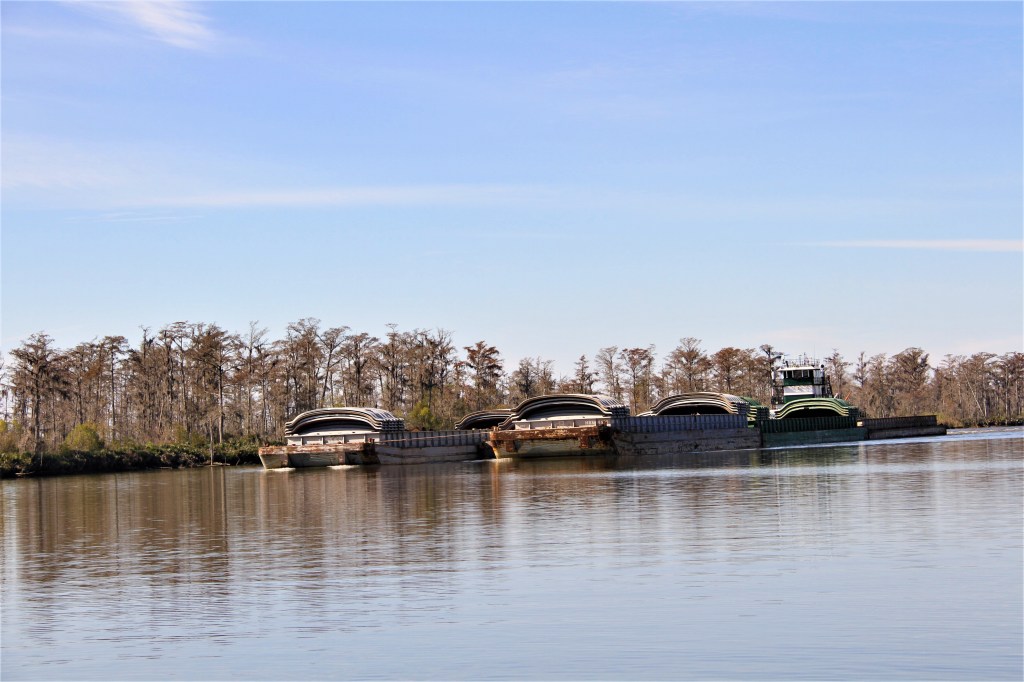
    I looked forward to reading your blog and seeing all the photos you post. I’m a former Merchant Marine of Kirby Inland Marine and the photos really bring back some great memories. You did snap a former towboat I had the pleasure of riding a hitch on. The Decatur which I believe Kirby Acquired through the purchase of Higman Towing CO.

    Again thank you for sharing your trip, and thank you for the photos 

    Shawn

    Like

    1. Shawn, Thank you so much for that interesting note. It’s such a pleasure to hear that you enjoy the posts and that a photo twigged a happy memory. Incidentally, I am currently collecting short stories from seamen for an upcoming book retelling mishaps, challenges, breakdowns and extraordinary good times that others like to read about. I offer a platform for authors to share their stories without a commitment to writing and publishing their own book. There are no costs to the author for anything including editing if needed. I love helping writers get their story on paper. Authors get full credit for their story even if I have written it with them. If interested, and I hope that you are, get in touch with me : admin@oriolepublishing.com
      PS I have published two award winning travelogues.

      Like

      1. Shawn, I forgot to mention that I am very interested to learn more about the challenges a tow boat operator faces. I have spent a few years on the water mostly with sailboats ( My husband and I sailed our boat around the world ( 2004-09) , and now this power boat adventure is showing me another side of boating. Were you a tow captain or did you work on tows and barges?

        Like

  5. A great portfolio of pictures, thanks!

    Like

Leave a reply to Pattie Brennan Cancel reply